






More Than Just ‘Roughage’
For generations, we’ve known fibre as ‘roughage’—the stuff that keeps you regular. While that’s true, it’s only a tiny part of the story. Dietary fibre is a type of carbohydrate that our bodies cannot digest. It passes through the stomach and small intestine
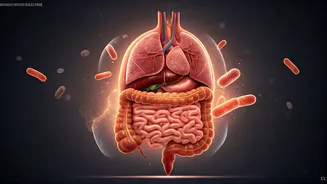
largely unchanged. There are two main types. Soluble fibre, found in oats, beans, and apples, dissolves in water to form a gel-like substance. Insoluble fibre, found in whole grains and vegetables, does not dissolve and adds bulk to stool. Both are important, but their most critical role begins when they reach the large intestine, the epicentre of your gut health.
Meet Your Gut Microbiome
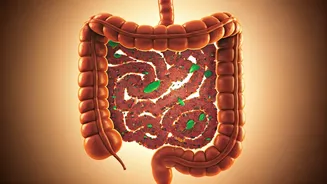
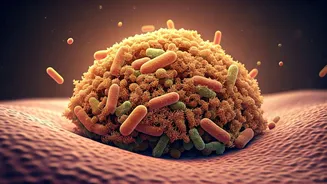
Your large intestine is home to trillions of microorganisms—bacteria, fungi, and viruses—collectively known as the gut microbiome. Think of it as a bustling, microscopic city living inside you. This inner ecosystem is crucial for everything from digesting food and producing essential vitamins to regulating your immune system and even influencing your mood. For this city to thrive, it needs food. And its absolute favourite superfood is the one thing you can’t digest yourself: fibre.
How Fibre Feeds Your Gut
When dietary fibre arrives in your large intestine, the friendly bacteria get to work. They ferment it, breaking it down for their own energy. This process is essentially you feeding your internal allies. This fermentation is a game-changer because it produces incredibly beneficial compounds called short-chain fatty acids (SCFAs), with butyrate being the most celebrated among them. These SCFAs are the real magic behind fibre’s power. They are the primary source of energy for the cells lining your colon, keeping your gut wall strong and healthy. A strong gut barrier is essential for preventing harmful substances from leaking into your bloodstream.
The Ripple Effect of a Well-Fed Gut
The benefits of this process extend far beyond the gut. A well-fed microbiome producing ample SCFAs helps reduce inflammation throughout the body, which is linked to a lower risk of many chronic diseases. It strengthens your immune system, as a large portion of your immune cells reside in the gut. Some research even links a healthy, fibre-rich gut to improved mental health and mood regulation through the gut-brain axis. So, by eating fibre, you’re not just aiding digestion; you are nourishing an internal system that supports your overall health from head to toe.
Boosting Fibre in an Indian Diet
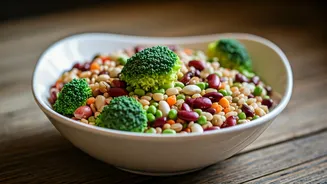
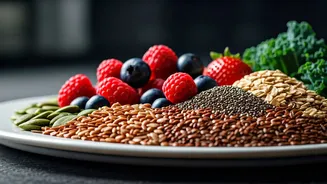
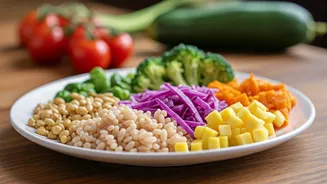
The good news is that a traditional Indian diet is naturally positioned to be rich in fibre. The key is to lean into whole, unprocessed foods. Swap refined flour (maida) for whole wheat (atta) or millets like ragi and jowar for your rotis. Make dal and legumes a daily habit—they are packed with soluble fibre. Load up your plate with seasonal vegetables (sabzi) and eat fruits whole instead of juicing them. Simple additions like a handful of nuts, a spoonful of flax or chia seeds in your dahi, or choosing brown rice over white rice can significantly boost your daily fibre intake.