






The Magic of the First Rains
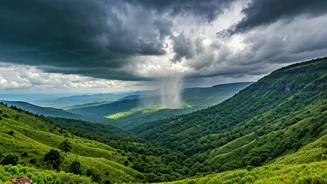
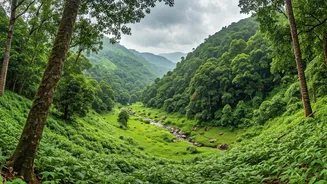
While many travellers shy away from the monsoon, the early days of the season in June are a spectacle to behold. This isn't the relentless downpour of July and August. Instead, it’s a time of dramatic, intermittent showers that leave the landscape glistening
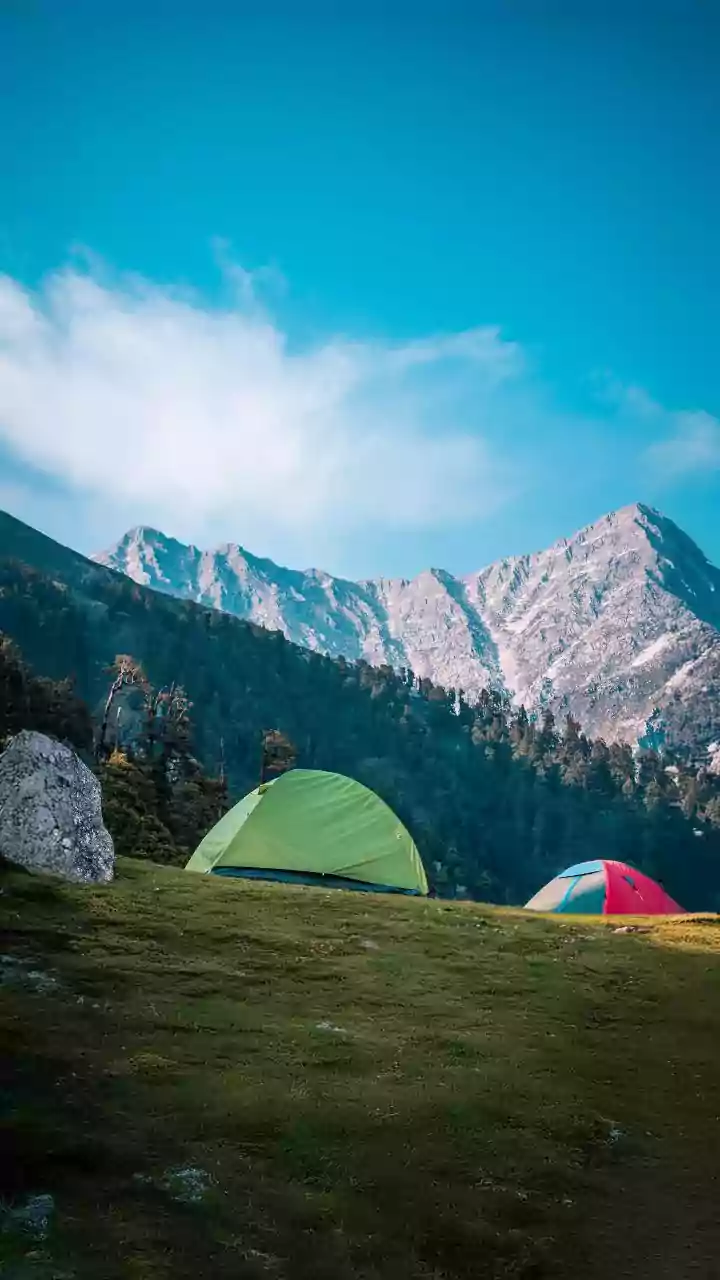
and intensely green. The dust of the dry season settles, and the air becomes crisp and clean. Tourist footfall is significantly lower, meaning you get the trails, viewpoints, and waterfalls largely to yourself. The symphony of croaking frogs and the scent of petrichor—the earthy smell of rain on dry soil—create an immersive sensory experience that peak season travel simply cannot match. It’s a time when nature is rejuvenating, and witnessing it firsthand from a tent is pure magic.
Why Wayanad’s Valleys Are Perfect
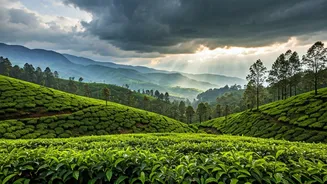
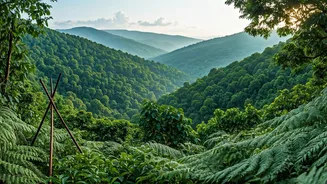
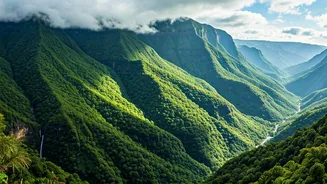
Nestled in the Western Ghats, Wayanad is not a single town but a vast, verdant district of rolling hills, dense forests, and sprawling plantations. Its landscape is a mosaic of tea gardens, coffee and spice estates, and mist-laden valleys. This topography makes it an ideal setting for camping. Unlike flat plains, the undulating terrain offers stunning panoramic views from almost any vantage point. Camping here means waking up to clouds floating right outside your tent, with the sound of a distant stream or birdcall as your alarm. The rich biodiversity, from vibrant butterflies to the Malabar giant squirrel, turns a simple camping trip into a nature-watching expedition. The valleys cradle you in a serene, private world, far from the noise of cities.
Decoding ‘Eco-Camping’
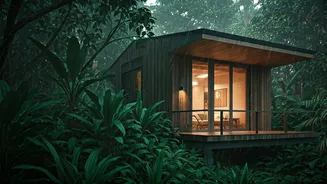
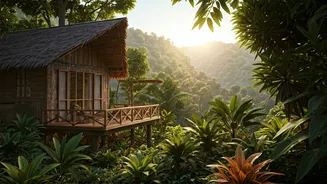
The term 'eco-camping' is more than just a buzzword; it’s a commitment. True eco-campsites are designed to have a minimal environmental footprint. This means they often run on solar power, practice rigorous waste management (including composting), and are built using sustainable, local materials. They prioritise water conservation and protect the surrounding flora and fauna. Crucially, eco-camping also involves the local community. The best operators employ local guides, source their food from nearby farms, and contribute to the village economy. By choosing an eco-camp, you're not just a tourist; you're actively participating in a sustainable model that respects and preserves the very nature you’ve come to enjoy. It’s about leaving a place better, or at least the same, as you found it.
Finding Your Offbeat Campsite
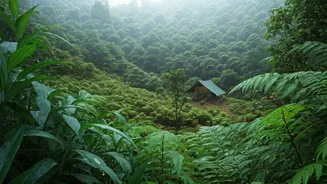
The most rewarding spots aren't always listed on major booking portals. To find a truly offbeat experience, you need to dig a little deeper. Start by searching for terms like “Wayanad farm stays with camping,” “sustainable jungle lodges,” or “community-run ecotourism Wayanad.” Many of the best locations are small, family-run enterprises or part of larger organic farms that offer tented accommodation as a secondary activity. Look for operators who are transparent about their sustainability practices on their websites or social media. Reading reviews that mention the host’s engagement with nature and the local culture is also a great indicator. Don’t be afraid to contact them directly to ask about their eco-credentials. The goal is to find a host who acts as a steward of the land, not just a service provider.
Essential Gear and Realistic Expectations
Packing smart is key to enjoying the monsoon. Your gear list must include a reliable waterproof jacket and pants, quick-drying clothes, and sturdy, waterproof trekking shoes with excellent grip. Leech socks are a non-negotiable essential for any walks through damp trails. Carry a powerful torch or headlamp, a portable power bank, and insect repellent. Be realistic: it will be damp, and your clothes may take a while to dry. You will encounter insects. But the reward is unparalleled serenity. Embrace the cosy feeling of being in your tent while a light rain patters outside. The cool, pleasant weather means you won't be sweating through your hikes, and the vibrant, clean environment more than makes up for the minor inconveniences.
Beyond the Tent: Exploring Wayanad
While the camping experience is central, Wayanad offers plenty to explore during the day. The early monsoon is the best time to see waterfalls like Soochipara and Meenmutty in their full, thundering glory. You can embark on a trek to Chembra Peak (check for permits and local conditions first), where the heart-shaped lake will be brimming with fresh rainwater. Take a guided tour through a spice plantation to see cardamom, pepper, and cinnamon growing in their natural habitat. For a dose of history, visit the Edakkal Caves with their ancient petroglyphs, which take on a mystical quality in the misty weather. These activities complement the quietude of camping, giving you a well-rounded appreciation for Wayanad’s natural and cultural wealth.