

What is a Larder, Anyway?
Before refrigerators were a household staple, the larder was an essential cool, dark space for preserving food. Its name comes from the medieval practice of using lard (pig fat) to preserve meat. Historically, it was a small room or cellar, often on the shadiest
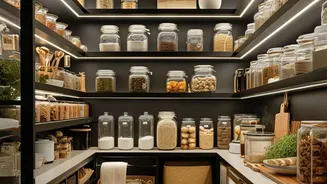
side of the house, designed to keep items like meat, dairy, and bread fresh for longer. Today, the terms larder and pantry are often used interchangeably to describe a tall, standalone cupboard dedicated to storing all manner of dry goods, from spices and grains to snacks and even small appliances. It has evolved from a simple cold room into a sophisticated piece of furniture designed for the modern home.
The Stylish Return to the Kitchen
In an era of sleek, fitted kitchens, the return of a freestanding piece might seem surprising. Yet, designers and homeowners are embracing the larder for a few key reasons. Aesthetically, it breaks up the monotony of uniform, wall-to-wall cabinetry, adding character and a personal touch. This 'unfitted' look makes a kitchen feel more like a comfortably furnished room, collected over time. Functionally, its revival is driven by our modern storage needs. As many people buy groceries in bulk, they need a centralised spot for everything. A larder provides a dedicated home for all your dry goods, keeping countertops clear and the main kitchen space feeling calm and organised. It's a practical luxury that brings immense everyday functionality.
The Ultimate Flexible Storage Solution
The true genius of the modern freestanding larder lies in its flexibility. Unlike fixed cabinets, it can be moved if you rearrange your layout or even taken with you if you move house, making it a sustainable, long-term investment. This is especially valuable for those in rental homes who can't undertake major renovations. Internally, larders are masters of customisation. They often feature a mix of adjustable shelving, deep drawers for pots or linens, and clever door-mounted racks for spices, jars, and bottles. This allows you to create dedicated zones for different needs—a breakfast station with cereals and a coffee machine, a baking corner with flour and sugar, or a snack hub for the family. Everything has its place, making items easy to find and access.
Choosing the Right Larder for Your Home
When selecting a larder, the first step is to assess your space and needs. Measure the area carefully, accounting for door swing. For smaller Indian kitchens, a tall, narrow larder can be a great way to maximise vertical space without taking up too much of the floor. Think about what you'll store. Do you need a home for your microwave and air fryer, or just pantry space? Many modern larders include open countertop sections, some even with built-in power outlets, to neatly house appliances. Finally, consider the style. A larder can be a statement piece painted in a bold colour or a subtle addition that blends with your existing decor. Look for sturdy materials and, for taller units, ensure it comes with an anti-tip kit for safety.