




The Legacy of the Chettiars
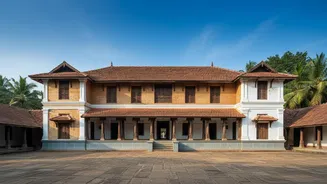
The Chettinad region, covering dozens of villages, is the historic home of the Nattukottai Chettiars, a prosperous community of merchants and bankers. Between the 19th and early 20th centuries, their global trade success was channelled into building thousands
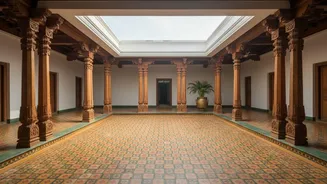
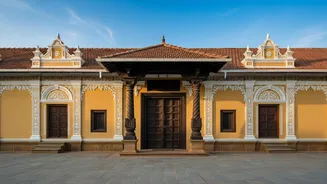
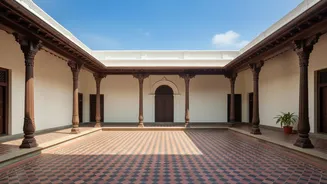
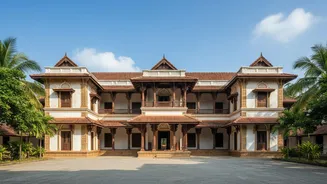
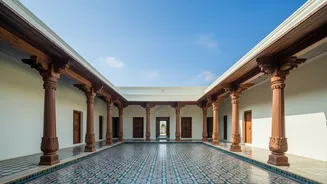
of sprawling mansions. These were not just homes but statements of wealth and worldliness, designed to house large joint families. The architecture is a stunning fusion, blending traditional Tamil elements like open central courtyards with materials sourced from across the globe: Burmese teak pillars, Italian marble floors, Belgian glass, and intricate English tiles. Each mansion was a world unto itself, often featuring more than 50 rooms arranged around airy courtyards that provided natural ventilation in the semi-arid climate.
A Renaissance Through Restoration
Following World War II, economic shifts led to the gradual decline of many of these majestic homes. With families moving away and the immense cost of upkeep, many of the original 10,000-plus mansions fell into disrepair, with some being dismantled for their valuable antiques. However, a growing appreciation for this unique heritage has sparked a powerful conservation movement. Recognizing that tourism could be the key to preservation, several families and hospitality groups have undertaken the painstaking work of restoring these architectural marvels. Properties like Chidambara Vilas and Visalam have been meticulously brought back to their former glory, transforming them into heritage hotels that offer visitors a tangible connection to the past.
The Meaning of a Low-Impact Stay
The claim of "green tourism" in Chettinad is rooted in both traditional design and modern-day choices. The very architecture of the mansions was inherently sustainable. The layout, with its multiple courtyards, was designed for optimal air circulation, reducing the need for artificial cooling. A sophisticated system of rainwater harvesting was built into the urban planning of the villages, directing water from the sloped roofs to fill local ponds and wells—a crucial practice in a region with low rainfall. Today, the adaptive reuse of these buildings is a core tenet of sustainability, as it avoids the waste and resource consumption of new construction. Many restored properties focus on employing local staff, supporting artisans who make the famous Athangudi tiles, and sourcing ingredients for the celebrated Chettinad cuisine from nearby farms, ensuring that tourism revenue directly benefits the community.
Living Like Ancestors
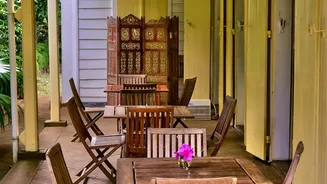
An "ancestral stay" goes beyond simply sleeping in a historic room. It is an immersive cultural experience. Guests are often hosted in a way that reflects the life of the Chettiar families. The day might involve waking up to the aroma of filter coffee, enjoying a traditional Chettinad breakfast served on a banana leaf, and exploring the property's intricate woodwork and endless corridors. Many heritage hotels offer activities like cooking classes to learn the secrets of the region's complex, spicy cuisine, guided walks through the village to understand the unique town planning, or visits to local artisan workshops. By staying in these homes, some of which are still partially occupied by the owner families, visitors gain a personal insight into the region's living history and traditions, making for a deeper, more meaningful travel experience.