





The End of the Off-Season
What was once considered a lean period for travel is now bustling with activity. Recent industry data confirms a fundamental shift in Indian travel habits, with hotel bookings during the monsoon months jumping by nearly 54% year-on-year. This isn't just
a minor uptick; it's a structural change driven by a new generation of travellers who see the monsoon not as an obstacle, but as the main attraction. Travel platforms and hotel groups have reported significant growth, with some destinations seeing bookings increase by as much as tenfold compared to the previous year. This transformation from a quiet quarter to a thriving travel period signals that the concept of a tourism 'off-season' during the rains is rapidly becoming a thing of the past.
Why Travellers Are Chasing the Rain
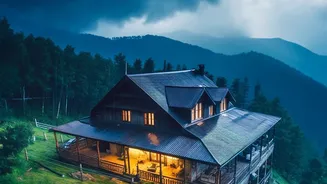
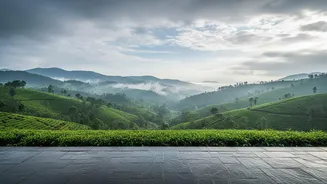
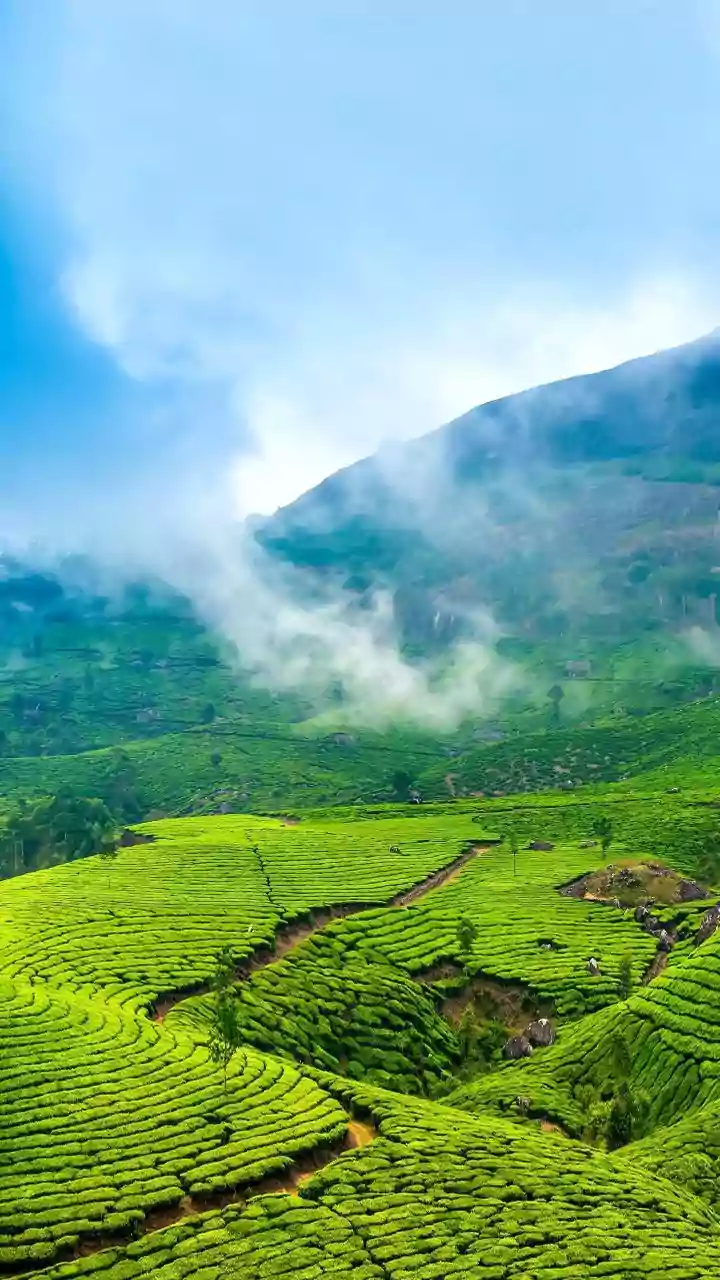
The appeal of monsoon travel lies in a blend of sensory experiences and practical advantages. Travellers are increasingly seeking nature-based getaways, wellness retreats, and the unique beauty of rain-soaked landscapes. The annual deluge transforms destinations, turning hill stations a vibrant emerald, refreshing waterfalls, and lending a romantic atmosphere to heritage cities. This shift is also driven by a desire for 'experience-led' travel, where the goal is cultural immersion, relaxation, or adventure rather than just sightseeing. For many, the monsoon offers a chance to see popular spots like Goa and Kerala without the peak-season crowds, even if the era of steep off-season discounts is fading due to rising demand. The trend is further fuelled by the rise of shorter, more frequent 'mini-cations' and an appreciation for the slower, more atmospheric travel experience the season provides.
Monsoon Hotspots on the Rise
While classic destinations remain popular, the booking surge has highlighted several standout regions. The Northeast, particularly Nagaland and Arunachal Pradesh, has emerged as a major hub, with hotel bookings in the region rising by over 90% year-on-year. Hill stations in the south have seen staggering growth, with Wayanad in Kerala reporting a 160% increase in hotel bookings and other destinations like Kodaikanal, Ooty, and Coorg seeing growth of over 70%. Even Goa, traditionally a winter sun destination, is drawing huge crowds, with hotel bookings up by over 110% as travellers discover its tranquil, green side. Heritage locations like Udaipur and spiritual centres such as Rishikesh are also experiencing a significant uptick, proving that the allure of the monsoon extends across all of India's diverse landscapes.
What This Means for Your Travel Plans
The surge in demand has a direct impact on travellers' wallets and plans. The most noticeable change is the shrinking of the 'off-season' discount. While some deals can still be found, hotel tariffs that once dropped significantly during the monsoon are now remaining firm due to sustained demand. The increased popularity also means that mid-range hotels—often the sweet spot for families and solo travellers—are the first to fill up. For travellers hoping to experience India's rainy season, the message from the industry is clear: the old strategy of waiting for last-minute deals is no longer a safe bet. Experts now advise booking four to six weeks in advance, especially for popular destinations and mid-range properties, to secure both availability and better value. Flexibility with dates and a willingness to explore emerging destinations may also be key to planning a successful monsoon getaway.