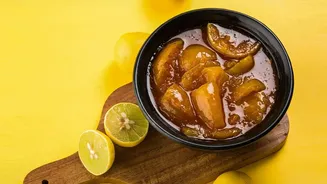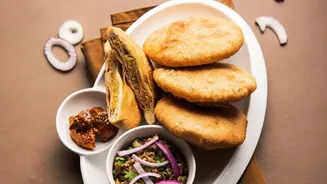

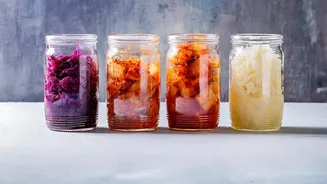
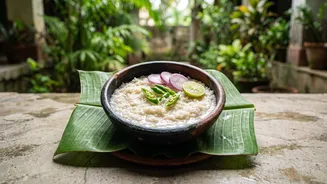
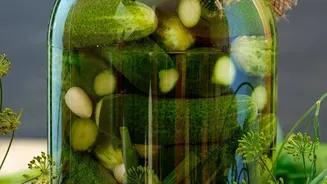
That familiar jar of achar, once a humble companion to dal and roti, is having a major moment. More than just a condiment, regional pickles and chutneys are being rediscovered as star ingredients in the modern Indian kitchen.
A Craving for Authenticity and Nostalgia
In a world of fast food and
globalised flavours, there is a growing hunger for authenticity. For many, the sharp, tangy, and spicy notes of a regional pickle are a direct line to childhood memories and family traditions. These condiments represent more than just taste; they are edible history, with recipes passed down through generations. This emotional connection provides a sense of comfort and rootedness that processed, mass-market sauces cannot replicate. The process of making them itself—of families gathering in summer to chop, spice, and sun-dry large batches—is a cultural ritual that imbues every jar with a sense of home.
The Rise of Health-Conscious Eating
Modern wellness trends are highlighting what Indian grandmothers have known for ages. The focus on gut health and natural foods has put traditional fermentation in the spotlight. Naturally fermented pickles, which are not made with synthetic vinegar, are a source of probiotics—beneficial bacteria that support a healthy gut microbiome. As awareness around lifestyle issues grows, people are looking at food as medicine, and these traditional preserves fit perfectly. Beyond probiotics, ingredients like gooseberry, lemon, and turmeric are rich in Vitamin C and antioxidants, which help boost immunity and fight cellular damage.
From Side Dish to Main Ingredient
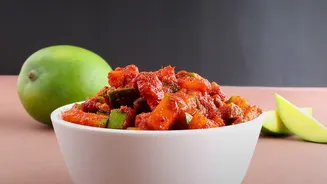
Perhaps the biggest shift is in how these condiments are being used. No longer confined to the edge of the thali, pickles and chutneys are now a secret weapon for modern cooks. Their concentrated, complex flavours offer a shortcut to making any meal more exciting. A spoonful of fiery mango pickle can marinate chicken, a dash of tangy tomato chutney can be swirled into pasta sauce, and a robust garlic chutney can be spread in a sandwich. Contemporary chefs are also embracing this trend, using regional preserves to create innovative dishes that balance tradition with new techniques, proving their versatility beyond being a simple accompaniment.
An Explosion of Regional Diversity
The current trend is also a celebration of India's immense culinary diversity. Each region has its own unique pickles and chutneys, shaped by local climate and produce. Think of Bengal's sharp mustard kasundi, Maharashtra's fiery garlic thecha, Andhra's iconic Avakaya mango pickle, or the sweet and sour lemon pickles of Gujarat. This vast library of flavours provides an endless playground for culinary experimentation. As consumers become more curious, they are exploring beyond the standard mango or lime pickle, seeking out rare and hyper-local specialities that tell a story about a specific place.
The Boom in Artisanal and Home-Grown Brands
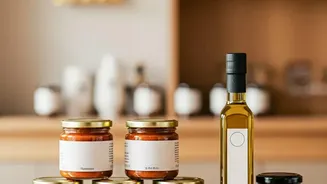
Fueling this resurgence is a growing market of artisanal and home grown brands. Many of these businesses are founded on generational family recipes prioritizing quality ingredients traditional preparation methods like sun drying and avoiding chemical preservatives. This appeals to a modern consumer who values transparency and supports small scale producers. The rise of online shopping has made it easier than ever to access these unique regional products allowing people across the country to sample a Goan prawn pickle or a Bihari red chilli achar without leaving their homes.