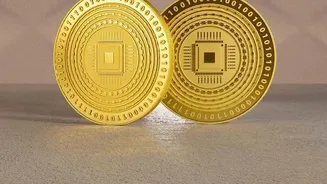







What Exactly is Digital Gold?
Think of digital gold as owning physical gold, but without the headaches of storage or purity checks. When you buy digital gold through an app, you are purchasing real, 24-karat physical gold that is stored in secure, insured vaults by certified custodians
like MMTC-PAMP or Augmont. Every gram you own online is backed by an equivalent gram of actual gold held in your name. This setup allows you to invest in pure gold with amounts as small as one rupee, making it incredibly accessible for those just starting their investment journey.
The Promise of Quick Liquidity
The primary appeal of digital gold in an emergency is its high liquidity. Unlike physical gold, which requires finding a jeweller and negotiating a price, you can sell your digital holdings anytime, anywhere, directly from your smartphone. The process is straightforward: log into your platform, enter the amount you wish to sell, and confirm the transaction at the live market price. This eliminates the need for physical travel and paperwork, offering a level of convenience that aligns with a digitally native lifestyle.
How 'Quick' Is the Cash, Really?
While selling digital gold is often instant, getting the cash into your bank account requires a bit of patience. After a sale, the funds are typically credited to your account within one to two business days. Some platforms offer instant UPI transfers, which can be much faster, but this isn't universal. So, is it “quick”? Yes, it’s far more liquid than property or even some mutual funds. However, it's not as immediate as swiping a debit card or withdrawing from an ATM. For a true, middle-of-the-night emergency, a savings account remains faster. Digital gold is better suited for urgent needs that can wait 24-48 hours.
The Hidden Costs to Consider
Convenience comes at a price. Every digital gold purchase includes a mandatory 3% Goods and Services Tax (GST), which is a non-recoverable cost. Additionally, platforms have a 'spread'—a small difference between the buying and selling price, which is typically 2-5%. This means the price to sell is always slightly lower than the price to buy. While storage is often free for the first few years, some providers may charge a small annual fee thereafter. These costs mean your investment needs to appreciate by several percentage points just to break even.
Digital Gold vs. Other Emergency Options
So, should digital gold replace your savings account? Not entirely. A savings account offers instant access and is insured by the DICGC up to ₹5 lakh, making it the safest bet for immediate cash. Digital gold, on the other hand, is subject to price volatility—its value can fall just when you need to sell. It also lacks direct regulation from SEBI or the RBI. Experts often suggest a balanced approach: use a savings account for your core emergency fund (3-6 months of expenses) and consider allocating a smaller portion (perhaps 5-15%) to digital gold as a hedge against inflation and for portfolio diversification.