






Why South Goa for the Solo Soul?
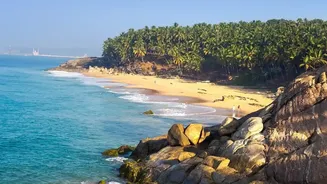
Unlike the energetic, party-centric pulse of North Goa, the southern coast moves to a slower, more contemplative rhythm. It's a landscape defined by expansive, clean beaches, sleepy fishing villages, and a general atmosphere that encourages you to unplug
and unwind. For the solo traveller, this translates to a safe, welcoming environment perfect for relaxation, reflection, and connecting with nature. Here, your days are measured in long walks on the sand, chapters read in a hammock, and peaceful evenings, rather than loud music and crowded bars. It’s the Goa that lets you hear your own thoughts.
Agonda: A Picture of Perfect Calm
Stretching for nearly three kilometres, Agonda Beach is a stunning crescent of golden sand that has mastered the art of being both accessible and peaceful. It strikes a perfect balance, offering enough amenities for a comfortable stay without sacrificing its tranquil vibe. The waters are notably calm, making them ideal for swimming, and the absence of loud beach parties preserves the serene atmosphere. Solo travellers are drawn to Agonda for its well-established but low-key tourism scene. You can start your day with a yoga session, spend the afternoon kayaking, or take a boat trip to spot dolphins or visit the nearby, even more secluded, Butterfly Beach.
Living the Solo Life in Agonda
Accommodation in Agonda primarily consists of charming beach huts and cottages, ranging from simple and budget-friendly to more luxurious options, allowing you to wake up just steps from the sea. The village behind the beach has a handful of shops, cafes, and restaurants where you can enjoy fresh seafood and connect with other travellers. It's widely considered one of the safer beaches for solo visitors, with a welcoming community of long-stay travellers and locals. Renting a scooter is a popular and easy way to explore the surrounding areas, including the historic Cabo de Rama fort.
Galgibaga: The Unspoiled Turtle Haven
If Agonda is peaceful, Galgibaga is practically untouched. Located further south, this beach is often called 'Turtle Beach' for a very special reason. It is one of Goa's most important and protected nesting sites for the endangered Olive Ridley sea turtle. From November to April, these turtles arrive to lay their eggs, and the beach becomes a sanctuary for conservation. As a result, commercialism is almost non-existent. You won't find rows of shacks or vendors here, only pristine sand, clean water, and the shade of pine trees instead of palms.
A Truly Off-Grid Experience
A visit to Galgibaga is about responsible tourism and embracing nature. The main activity here is simply being present: taking long, uninterrupted walks, watching fishermen, and, if you're visiting during the nesting season (primarily November to February), perhaps joining a supervised night watch to witness the turtles. Access after dark may be restricted to protect the nests, and visitors are reminded to be respectful and avoid flash photography. Accommodation is limited to a few guesthouses and simple eateries, so many travellers visit for the day from nearby Patnem or Agonda. It offers a profound sense of solitude that is rare to find.
Practical Tips for Your Journey
The best time to visit South Goa for pleasant weather is from November to February, which also coincides with the main turtle nesting season. Renting a scooter (around ₹350-₹500 per day) provides the most freedom to travel between beaches and explore the inland villages. While Agonda has good connectivity, be prepared for a more off-grid experience at Galgibaga. Pack light clothing, sunscreen, a good book, and a journal. Most importantly, give yourself permission to do very little. This is a journey for unwinding and reconnecting with yourself, one peaceful beach at a time.