





What Exactly Are Blue Bonds?
Think of blue bonds as a specialised cousin of the more familiar green bonds. They are debt instruments issued by governments, development banks, or corporations to raise capital exclusively for projects that support the sustainable use of ocean or freshwater
resources. Investors lend money to an issuer, who promises to repay it with interest, while committing that the funds will be used for eligible 'blue' initiatives. This could range from building sewage treatment plants and restoring coastal ecosystems to financing sustainable shipping and eco-friendly tourism. The world's first sovereign blue bond was issued by Seychelles in 2018, setting a precedent for using capital markets to fund ocean conservation. The global market, while still nascent compared to green bonds, had grown to over $15 billion by mid-2025, signalling growing investor appetite for such targeted environmental assets.
India's Emerging Blue Bond Market
India is on the cusp of launching its own blue bond market, a crucial step towards financing its expansive water economy. State-run Sagarmala Finance Corporation, which funds maritime infrastructure, and the Vadodara Municipal Corporation are preparing the country's first-ever blue bond issues. Sagarmala is looking to raise up to ₹1,000 crore to finance projects like port connectivity and inland waterways, while Vadodara's proposed ₹200-crore issue is intended for urban water infrastructure, including a water treatment plant and reservoir. These initial offerings are significant tests of investor appetite. The Vadodara example highlights that blue bonds are not just for marine or coastal projects; they can be a vital tool for cities to fund critical water management systems, tackling issues from leakage reduction to purification. While the Securities and Exchange Board of India (SEBI) does not have a separate rulebook for blue bonds yet, they are regulated under the existing framework for Green Debt Securities.
Financing a Stressed Water Economy
The need for innovative financing is urgent. India supports 18% of the world's population with only 4% of its freshwater resources. Agriculture alone consumes about 80-90% of the country's water. By 2050, demand is projected to surge, and nearly 600 million people already face high to extreme water stress. This is compounded by pollution, with a high percentage of India's rivers considered unfit for drinking and most wastewater going untreated. The World Bank estimates that urban water infrastructure alone will require around $150 billion in investment over the next 15 years. Traditional government funding is insufficient to meet this massive shortfall. Blue bonds offer a way to bridge this gap by attracting private and institutional capital from investors who have specific environmental, social, and governance (ESG) mandates.
The Potential Projects and Hurdles
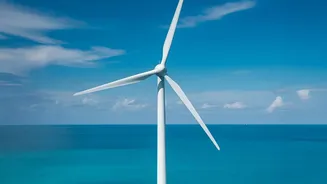
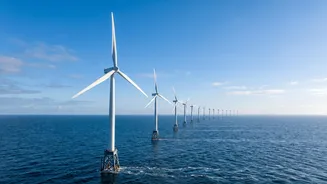
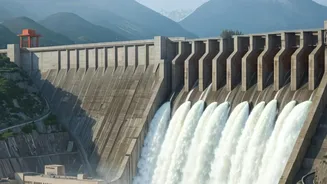
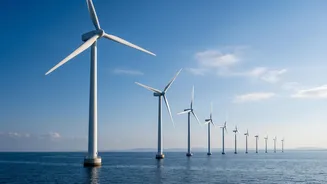
The proceeds from blue bonds could be directed towards a wide array of projects vital for India's economic and environmental future. On the maritime front, this includes upgrading port infrastructure, making shipping more sustainable, developing offshore renewable energy sources like tidal and wind power, and restoring critical coastal ecosystems such as mangroves. In the freshwater domain, funds could go to building and upgrading wastewater treatment plants, improving piped drinking water networks, implementing efficient irrigation systems for agriculture, and managing urban stormwater to prevent flooding. However, challenges remain. A key hurdle is the lack of a globally accepted, standardised framework for what qualifies as a 'blue' project, which can create uncertainty for investors. Ensuring transparency and preventing “blue-washing”—where environmental claims are exaggerated—is crucial. For this, SEBI's framework includes provisions for independent verification and regular reporting on how the funds are used.