



Star Walk 2: Your Pocket Planetarium
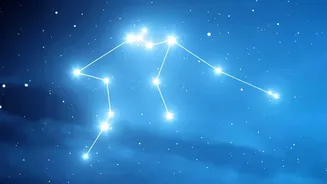
Considered one of the best apps for beginners, Star Walk 2 offers a polished and intuitive experience. Its standout feature is the augmented reality (AR) view; simply point your phone at the sky, and the app overlays constellation patterns, star names,
and planets in real-time. The free version is supported by ads but is highly functional, offering real-time tracking and information on over 200,000 celestial bodies. For those who get hooked, an affordable upgrade removes ads and unlocks more detailed content. The app also includes a 'Time Machine' feature, which allows you to see the sky's map in the past or future, and a 'Visible Tonight' section to help you plan your stargazing. It's available for both iOS and Android devices.
SkyView Lite: Point and Identify with Ease
SkyView Lite is celebrated for its simplicity and powerful AR capabilities. You don't need to be an astronomer; just open the app and it guides you to stars, planets, and constellations. One of its major advantages is that it can function without a WiFi or GPS signal, making it perfect for camping trips or stargazing in remote areas with poor connectivity. The app includes a night mode with red or green filters to preserve your night vision. While the Lite version is free, it provides extensive information and the ability to track the paths of celestial objects across the sky on any date. You can even set reminders for upcoming celestial events like meteor showers or satellite fly-bys.
Stellarium Mobile: A Classic Star Map
Stellarium has long been a favorite among astronomers on desktop, and its mobile app brings that power to your phone. The free version offers a photorealistic view of the sky, an extensive database of stars and deep-sky objects, and accurate constellation illustrations from different cultures. While some advanced features like telescope control are reserved for the paid 'Plus' version, the free app is more than sufficient for beginners and casual observers. It allows you to identify what you're seeing, track satellites, and simulate sunrises and sunsets. Its interface is clean and data-rich, making it a reliable tool for anyone looking to learn the night sky in detail.
NASA App: Explore from the Source
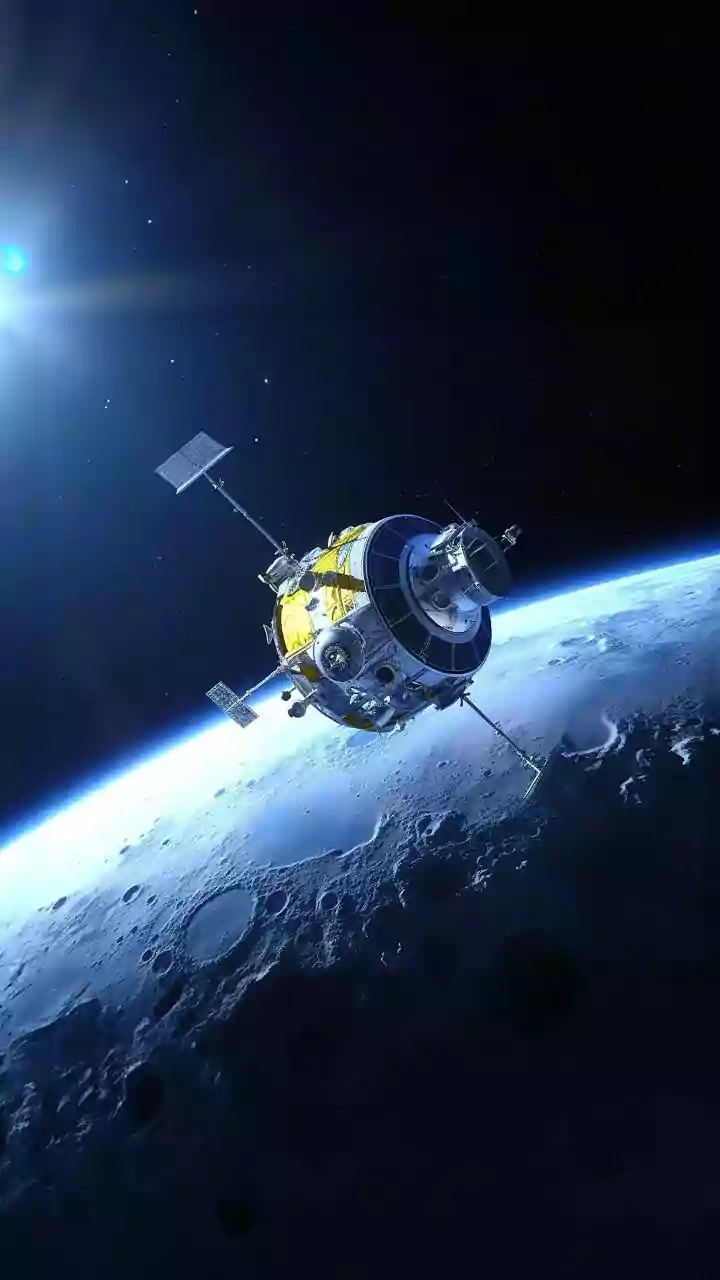
While not a traditional stargazing map in the same way as others, the official NASA app is an essential free tool for any aspiring space enthusiast. It provides a wealth of information, including stunning daily images from missions like the James Webb Space Telescope, live feeds of rocket launches, and news on the latest discoveries. A key feature for stargazers is the ability to track the International Space Station (ISS), with notifications for when it will be visible from your location. The app also has augmented reality features to view 3D models of rovers and rockets and access to NASA+, a free streaming service with original documentaries. It’s a fantastic way to supplement your sky-watching with context and inspiration directly from the source.
Tips for a Perfect Stargazing Night
Once you've downloaded your app, a few simple steps can dramatically improve your experience. First, try to get away from city lights. The darker the location, the more stars you'll see. Second, give your eyes time to adjust. It takes about 15 to 30 minutes for your eyes to fully adapt to the dark and reveal fainter stars. Most of these apps have a red-light 'night mode' which helps preserve your night vision. Finally, check the weather and the Moon phase. A clear, moonless night is best for seeing constellations and the Milky Way. Remember that the sky changes with the seasons, so there will always be something new to discover each time you look up.