






The Scale of the Solar Dream
India's commitment to renewable energy is one of the most ambitious in the world, with a goal to install 500 GW of clean energy by 2030. Solar power is the centerpiece of this strategy. This green transition isn't just about megawatts; it's about manpower.
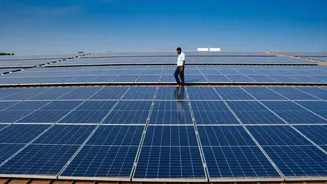
Realizing this vision requires a vast, skilled workforce capable of handling everything from massive solar park construction to rooftop panel installation on a single home. According to industry estimates, the solar and wind sectors could employ ten times more people by 2030 than they did in 2021. This has spurred a nationwide effort, coordinated by bodies like the Ministry of New and Renewable Energy (MNRE) and the Skill Council for Green Jobs (SCGJ), to train hundreds of thousands of workers.
Understanding the New Initiatives
The latest initiatives build upon long-standing programs like the Suryamitra Skill Development Programme, which has trained over 51,000 candidates as solar PV technicians since 2015. A key recent development is the push under the PM-Suryaghar Muft Bijli Yojana, which includes a project to upskill 30,000 Solar Helpers and Assistant Technicians through a Recognition of Prior Learning (RPL) model. This 60-hour program aims to formalize the skills of those already working in the field. Other programs like 'Varunmitra' focus on the niche but crucial area of solar water pump technicians. These efforts are often a mix of government funding, corporate social responsibility projects, and fee-based models run by hundreds of certified training partners across the country.
The Difference Between Helper and Technician
The distinction between a 'helper' and a 'technician' is critical. A Solar PV Installation Helper, often an entry-level role, might perform manual tasks like mounting structures, handling components, and assisting with civil works under supervision. The training is shorter, like the 60-hour RPL course for helpers. A 'Suryamitra' or Solar PV Technician, on the other hand, undergoes more extensive training—typically 600 hours. Their role is more complex, involving site surveys, system installation, commissioning, and operations and maintenance (O&M). They are expected to have a deeper technical understanding, from electrical connections to troubleshooting, positioning them for more supervisory roles.
The Promise of a Green Workforce
On paper, the benefits are immense. These programs aim to create a pipeline of skilled labour, providing sustainable employment for rural youth, women, and those without formal education. For participants, it's a chance to gain a certified skill in a booming industry, with some programs even providing a stipend during training. For the solar industry, a certified workforce promises higher quality installations, better system performance, and reduced maintenance costs over time. It's a cornerstone of the 'Skill India' mission, designed to ensure the country has the domestic talent to power its own green revolution.
A More Careful Reading: Quality Gaps
However, a closer look reveals significant challenges. Industry leaders consistently point to a gap between the training provided and the skills actually needed on-site. Many academic and training programs are criticized for being too theoretical, lacking the necessary hands-on, practical experience that is crucial for roles in installation and manufacturing. As a result, companies often have to retrain certified technicians, questioning the value of the initial certification. The quality and curriculum can vary widely between the numerous training institutes, and there's a call for more standardized skill benchmarks across the sector.
The Challenge of Employability
Perhaps the most pressing issue is the gap between training and actual employment. While thousands are being certified, their absorption into the industry has been slower than hoped. Government data from a few years ago showed that less than a third of Suryamitra trainees found jobs in the solar industry. Many graduates struggle to find work, or find that companies prefer to hire local, uncertified electricians at lower wages and train them on the job. Other barriers include the residential format of longer courses being difficult for sole breadwinners, low starting salaries, and job postings that are far from home, leading to high attrition rates.