
What's Hiding in the Water?
A monsoon puddle is far more than just rainwater. Stagnant water on streets and in parks becomes a breeding ground for a host of invisible threats. This includes bacteria, fungi, and parasites that thrive in damp, humid conditions. One of the most serious
risks is Leptospirosis, a severe bacterial disease transmitted through the urine of infected animals like rodents. This bacteria can easily contaminate puddles and wet soil, waiting to infect an unsuspecting dog. Beyond this, the water can contain pesticides, chemicals, and other irritants washed off from roads and gardens, which can cause chemical burns or allergic reactions.
From Paws to Problems: How Infections Start
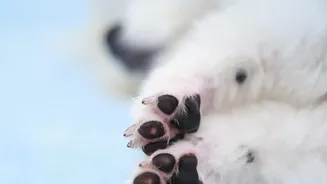
A dog's paws are their direct connection to the world, but they are also highly susceptible to infection, especially when wet. Prolonged dampness softens the paw pads and the skin between the toes, making them vulnerable to cuts and abrasions. These tiny openings can become gateways for bacteria like Leptospira to enter the bloodstream. Constant moisture also creates the perfect warm, humid environment for fungal and yeast infections to flourish, leading to conditions like Pyoderma (a bacterial skin infection) and yeast dermatitis. These infections cause intense itching, redness, and a foul odour. Furthermore, dogs naturally groom themselves by licking their paws, meaning they can ingest any harmful bacteria or chemicals they picked up on their walk.
The Post-Walk Paw Cleaning Protocol
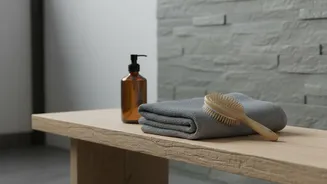
A few minutes of cleaning after every walk can prevent weeks of treatment and discomfort. The process is simple but requires thoroughness. For routine cleaning after a wet walk, use a clean cloth or pet-safe wipes to clean each paw, making sure to get in between the toes and around the pads. If paws are particularly muddy, a more thorough wash is needed. Use lukewarm water and a mild, dog-safe shampoo. Gently massage each paw, rinse thoroughly to remove all soap residue, and—most importantly—dry the paws completely with a towel. Trapped moisture between the toes is a primary cause of yeast infections, so pay special attention to drying these areas.
Warning Signs to Watch For
Early detection is key to managing paw infections. Be vigilant for any changes in your dog's behaviour or the appearance of their paws. Common signs of an infection or irritation include excessive licking or chewing of the paws, redness and inflammation, and a noticeable limp or reluctance to walk. An unusual odour, often described as musty or like corn chips, is a classic sign of a yeast infection. You might also see discoloured fur around the paws from constant licking, or skin that appears greasy, scaly, or crusty. More serious symptoms like fever, vomiting, or lethargy after exposure to puddle water could indicate Leptospirosis and require immediate veterinary attention.
Beyond the Paws: Overall Monsoon Care
While paw hygiene is critical, a holistic approach to monsoon care provides the best protection. Always dry your dog's entire coat thoroughly after a walk to prevent fungal skin issues and hot spots. The humidity also creates a paradise for ticks and fleas, so stay diligent with your pet's parasite prevention schedule. Avoid letting your dog drink from puddles or stagnant water sources to minimize the risk of ingesting harmful bacteria and parasites like Giardia and Leptospira. Finally, keeping the hair between their paw pads trimmed can help reduce the amount of mud and moisture that gets trapped, making cleaning easier and more effective.