




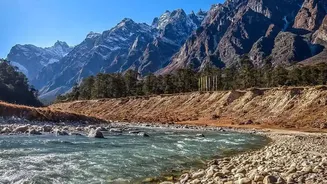
A Sudden, Violent Deluge
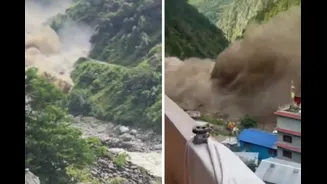
On the morning of August 26, 2026, a massive flash flood surged down the Bhote Koshi river and its tributaries in northern Nepal. The event was so powerful that it registered as a magnitude 5.2 seismic event, initially causing confusion about a possible
earthquake. However, analysis later confirmed the seismic waves were generated not by shifting tectonic plates, but by the force of the glacier and debris crashing down. The floodwaters swept away entire villages, critical bridges, and hydropower infrastructure, tragically resulting in over 160 confirmed deaths and hundreds more missing, including foreign tourists. Rescue efforts were immediately launched, but access to the remote, mountainous region was severely hampered by the destruction.
How a Glacier Unleashes a Flood
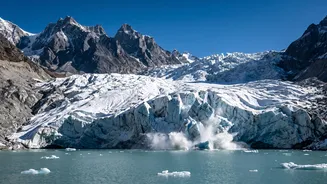
The disaster was identified as a complex chain reaction that began with the collapse of a large section of a glacier. Such events, often called Glacial Lake Outburst Floods (GLOFs), are one of the most dangerous hazards in the high Himalayas. They can be triggered in several ways. A large chunk of ice and rock can break from a glacier and fall into a glacial lake below, which is a body of meltwater often dammed by unstable walls of rock and debris known as moraines. This impact creates a massive displacement wave, like dropping a huge stone into a bathtub, which can instantly breach the moraine dam. The dam's failure releases the entire lake in a sudden, catastrophic torrent. The resulting flood is not just water; it's a thick, fast-moving slurry of mud, ice, and boulders that scours the valley downstream with immense destructive power.
The Climate Change Connection
While the immediate trigger was the glacier's failure, the ultimate driver is widely understood to be climate change. The Himalayan region is warming at a rate faster than the global average. This accelerated warming is causing glaciers to melt and retreat at an alarming pace. As they shrink, they leave behind more and larger glacial lakes, often held in place by fragile moraine dams. According to the International Centre for Integrated Mountain Development (ICIMOD), the number of glacial lakes in the Nepal Himalaya has grown significantly in recent decades, with many identified as potentially dangerous. Warmer temperatures not only increase the volume of water in these lakes but can also thaw the ice and permafrost that glues the surrounding mountain slopes together, making rock and ice avalanches more likely. This creates a perfect storm of conditions for disasters like the one on August 26.
Why It Matters for India
The tragedy in Nepal is a stark warning for the entire Hindu Kush Himalaya region, including India. Many of the major rivers that are lifelines for northern India, including tributaries of the Ganges, originate from these same glaciers. The same vulnerabilities that led to the Nepal flood exist in Indian states like Uttarakhand, Himachal Pradesh, Sikkim, and Arunachal Pradesh. India itself has experienced similar, albeit smaller, GLOF events, such as the 2021 Chamoli disaster. A 2023 study found that 15 million people globally are at risk from GLOFs, with a significant number living in India, Nepal, and Pakistan. The transboundary nature of these rivers means a disaster that starts in Nepal or Tibet can have devastating consequences downstream in India. These events threaten not just lives and villages but also critical infrastructure like hydropower plants, which both nations are heavily invested in.