





An Invisible Threat in India's Fields
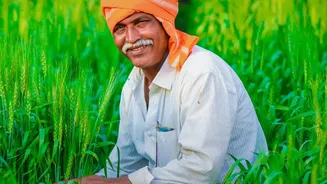
In the agricultural heartlands of Punjab and Maharashtra, farmers face a constant battle against invisible enemies. Pests and diseases can devastate crops, leading to annual losses estimated in the billions. For smallholder farmers, who make up the vast majority
of India's agricultural sector, a ruined harvest isn't just a statistic; it's a threat to their livelihood. Traditionally, identifying a crop disease required experience, guesswork, or the costly advice of an agricultural expert who may not be readily available. By the time a problem is correctly identified, it's often too late to prevent significant damage. This reactive approach has left farmers vulnerable, often leading to the overuse of pesticides in a desperate attempt to save their crops.
An Agricultural Expert in Your Pocket
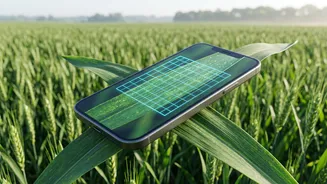
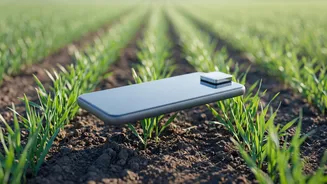
The solution is arriving through technology that most farmers already possess: a basic smartphone. Using low-cost, built-in smartphone cameras, new applications powered by artificial intelligence are turning these devices into powerful diagnostic tools. The process is remarkably simple. A farmer takes a photograph of a plant leaf showing signs of distress. The app uploads the image to a cloud-based AI system, or uses an offline model, which analyzes it in seconds. By comparing the image to a vast database of thousands of labeled photos of plant diseases, the AI can identify the specific affliction with a high degree of accuracy. It can distinguish between different types of blight, rust, and pest damage, offering a diagnosis that was once the exclusive domain of trained agronomists.
From Lab to Land: The CottonAce Example
A prominent success story comes from the Wadhwani Institute for Artificial Intelligence, which developed a solution to combat the devastating pink bollworm infestations in cotton crops. Their AI-powered app, often known as CottonAce, allows farmers in Maharashtra, Gujarat, and Telangana to take photos of pests caught in simple traps. The app identifies the pest and assesses the severity of the infestation, providing immediate, localized advice in multiple Indian languages. The results have been transformative. Farmers using the tool have reported a significant reduction in pesticide costs, an 11% average increase in crop yield, and a 20-25% rise in net profits. This initiative, supported by partners like the Better Cotton Initiative and state governments, demonstrates how AI can provide scalable, real-time support to mitigate a specific, widespread threat.
Punjab's Digital Green Revolution
The innovation isn't limited to cotton or a single region. In Punjab, the cradle of the Green Revolution, institutions like the Punjab Agricultural University (PAU) are also embracing digital tools. The PAU Kisan App provides farmers with a wealth of information, including advisories on crop diseases, nutrient deficiencies, and pest management. While not purely an image-based detection system, it represents a crucial step in digitizing agricultural knowledge and making it accessible. Similarly, Chandigarh University has developed an AI-based mobile app designed to detect 39 different diseases at an early stage, with plans to expand its capabilities. These efforts show a broader trend of using accessible technology to empower farmers across India's breadbasket.
More Than Just a Diagnosis
The true power of these AI systems lies in providing actionable intelligence. Beyond simply naming the disease, the applications offer clear, step-by-step recommendations for treatment. This includes advising on which specific pesticide or fungicide to use, the correct dosage, and the optimal time to spray. This guidance helps prevent the overuse of chemicals, which not only saves farmers money but also reduces the environmental impact and health risks associated with excessive pesticide application. By connecting diagnosis directly to a solution, the technology closes the gap between knowing there's a problem and knowing how to solve it, a critical step for boosting farm productivity.
Hurdles on the Digital Farm
Despite the promise, the path to widespread adoption is not without challenges. In many rural areas, inconsistent internet connectivity can be a major barrier, though some apps are designed to work offline. Digital literacy also varies, and building trust among farmers accustomed to traditional methods takes time and on-the-ground support. Furthermore, the AI models themselves require continuous updates to recognize new diseases and adapt to different regional conditions. Scaling these solutions from pilot projects to millions of users will require sustained investment, public-private partnerships, and a commitment to training and support for the farming community.