



What Exactly Is Sattu?
Sattu is a flour made from roasted grains and pulses, most commonly Bengal gram (chana). The traditional process involves dry-roasting the grams in a vessel with sand, then sieving and grinding them into a fine, nutty powder. This roasting process is what
sets it apart from besan (gram flour), which is made from raw, unroasted chickpeas. The roasting gives sattu a distinct earthy flavour and, more importantly, makes it ready to consume without cooking. For centuries, it has been a staple food in regions like Bihar, Jharkhand, and Uttar Pradesh, cherished for its convenience and affordability, earning it the nickname "poor man's protein."
A Nutritional Powerhouse for Fitness
The reason sattu is making a seamless transition into modern fitness circles is its impressive nutritional profile. It is a fantastic source of plant-based protein, with various sources stating it contains between 20 to 26 grams of protein per 100 grams. This makes it an excellent ingredient for muscle repair and growth, especially for vegetarians and vegans. Beyond protein, sattu is rich in dietary fibre, which aids digestion, promotes a feeling of fullness, and helps manage weight by curbing unhealthy cravings. It also has a low glycemic index, meaning it provides sustained energy without causing sharp spikes in blood sugar. Furthermore, it is packed with essential minerals like iron, magnesium, and calcium, which support bone health, energy metabolism, and overall bodily functions.
From Traditional Sharbat to Modern Smoothie Bowl
Traditionally, sattu is most famous as a cooling summer drink called 'sattu sharbat'. This drink comes in two main varieties: sweet (meetha) and savoury (namkeen). The savoury version is typically mixed with cold water, lemon juice, black salt, and roasted cumin powder, serving as a hydrating and energizing cooler. The sweet version is often prepared with jaggery or sugar and water. While these drinks remain popular, the modern wellness movement has reimagined sattu's potential. Its high protein content and fine texture make it a perfect base for thicker, richer smoothie bowls, transforming the humble flour into a complete and satisfying meal that aligns perfectly with contemporary health trends.
How to Build the Perfect Sattu Smoothie Bowl
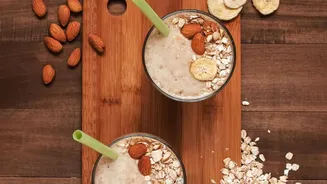
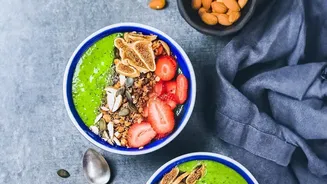
Creating a sattu smoothie bowl is simple and highly customizable. The goal is a thick, spoonable consistency that can hold toppings. Here is a foundational recipe to get you started: Start with the base: In a blender, combine 3-4 tablespoons of sattu flour, half a ripe banana for natural sweetness and creaminess, and about 150-200 ml of your preferred liquid. You can use low-fat milk, almond milk, yogurt, or even just chilled water for a lighter version. Boost the flavour and nutrition: Add a natural sweetener like one or two pitted dates or a teaspoon of jaggery, if desired. For a richer flavour, you can include a spoonful of nut butter or a few soaked almonds. A pinch of cardamom or cinnamon can add a warming spice note. Blend everything until it becomes smooth and thick. If it's too thin, add a little more sattu or a few more pieces of banana. If it's too thick, add a splash more liquid.
Elevate Your Bowl with Toppings
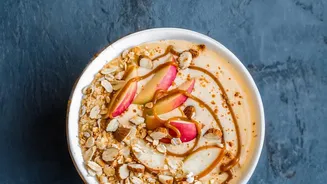
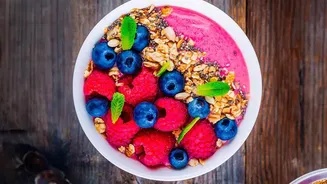
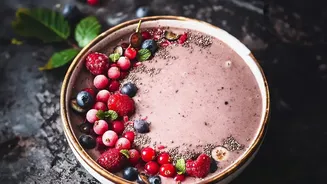
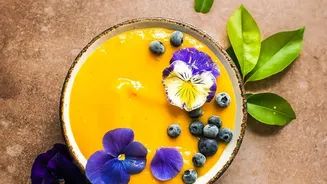
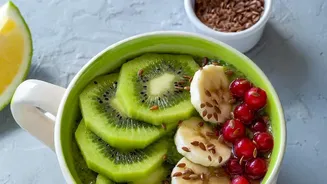
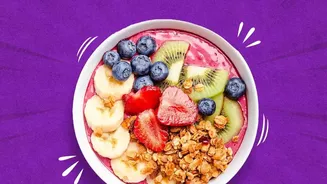
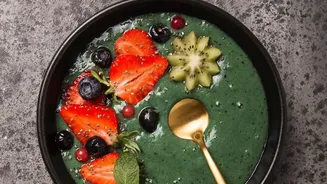
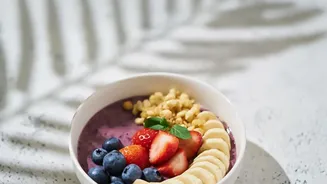
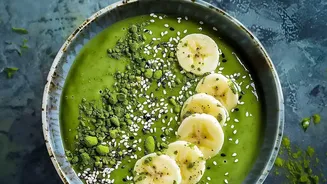
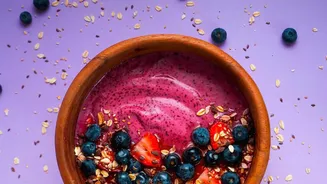
The beauty of a smoothie bowl lies in its toppings, which add texture, flavour, and extra nutrients. Once you pour your thick sattu smoothie into a bowl, it's time to get creative. For a satisfying crunch, add a sprinkle of chopped nuts like almonds and pistachios, or seeds such as chia, pumpkin, or sunflower seeds. Fresh fruit is another excellent addition; sliced bananas, pomegranate arils, or fresh berries not only look beautiful but also add vitamins and natural sweetness. For an extra touch of indulgence without compromising on health, consider a drizzle of honey or a scattering of toasted coconut flakes. These toppings make the smoothie bowl more filling and turn it into a well-rounded meal.