



Not All Processing Is Created Equal
First, let's be clear: almost every food is processed to some extent. Washing, chopping, freezing, or pasteurizing are all forms of processing. The apple you buy at the market has been washed and transported. The frozen peas that save you time on a busy
weeknight are a product of processing. These methods can make food safer, more convenient, and can even preserve nutrients. The real conversation isn’t about whether a food is processed, but rather how it's processed. The key is to understand the spectrum, which ranges from whole foods in their natural state to industrial concoctions that bear little resemblance to their origins. Thinking in terms of this spectrum is more empowering than simply labelling all processed items as 'junk'.
A Simple Guide: The NOVA Classification
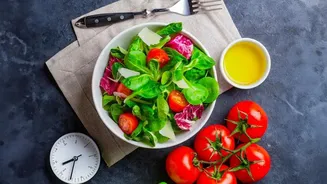
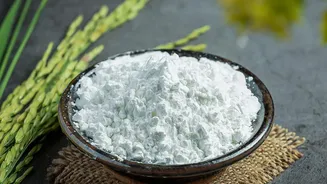
To help make sense of this spectrum, researchers developed the NOVA classification system. It doesn't focus on nutrients like fat or sugar, but on the extent and purpose of the processing a food undergoes. It has four main groups: 1. Unprocessed or Minimally Processed Foods: These are whole foods in or near their natural state. Think fresh fruits, vegetables, eggs, milk, meat, and whole grains like rice. 2. Processed Culinary Ingredients: These are ingredients derived from whole foods that we use for cooking, like oils, butter, sugar, and salt. 3. Processed Foods: These are simple combinations of the first two groups. Examples include canned fish, freshly baked bread, cheese, and vegetables canned in brine. 4. Ultra-Processed Foods (UPFs): This is the category drawing the most concern. These are industrial formulations, typically containing five or more ingredients, many of which you wouldn't find in a home kitchen. They often include additives like colours, emulsifiers, and artificial flavours.
The Concern with Ultra-Processed Foods
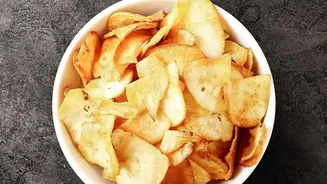
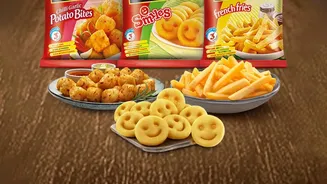
Ultra-processed foods (UPFs) include items like sugary fizzy drinks, packaged snacks and biscuits, instant noodles, and many ready-to-eat meals. These products are designed to be hyper-palatable and convenient, but they are often high in added sugar, unhealthy fats, and salt, while being low in essential fibre and vitamins. Major reviews of existing research have highlighted strong links between high consumption of UPFs and dozens of negative health outcomes. One comprehensive review published in The BMJ found convincing evidence linking higher UPF intake to a roughly 50% increased risk of cardiovascular disease-related death and a 48-53% higher risk of anxiety. Other research has also pointed to associations with weight gain, type 2 diabetes, and certain cancers.
What the Newest Research Suggests
Recent research presented at major nutrition conferences in 2026 adds another layer to this conversation. One study from Tufts University suggests that the industrial processing itself—beyond just poor nutritional content—may play an independent role in health risks. This could be due to changes in the food's cellular structure or the presence of additives and chemicals from packaging. However, other new research from Harvard, presented at the NUTRITION 2026 conference, offers a more nuanced view. This large study found that while many UPFs are unhealthy, the overall nutritional quality of a person's diet is more important than the level of processing alone. A healthy diet rich in plant-based foods was beneficial even if it included some processed items, suggesting the focus should be on the total dietary pattern rather than vilifying a single category.
How to Make Smarter Choices
Navigating the supermarket doesn't have to be a stressful exam. Instead of aiming for perfection, focus on making informed choices. A good rule of thumb is to check the ingredients list. If it's very long and filled with unfamiliar chemical names, it's likely an ultra-processed product. Prioritise a diet based on whole and minimally processed foods — the items in Group 1 of the NOVA system. Build your meals around vegetables, fruits, legumes, and lean proteins. This doesn't mean you must avoid all processed foods. Canned beans, frozen vegetables, and whole-grain bread are processed, but they can be valuable parts of a healthy, convenient diet. The goal is balance and awareness, not complete restriction.