




Plan Your Route for Gradual Ascent
Your Spiti journey will likely start from either Shimla or Manali. For an autumn trip, especially from late September onwards, the Shimla-Kaza highway is the safer, more reliable choice. This route involves a more gradual ascent, giving your body crucial
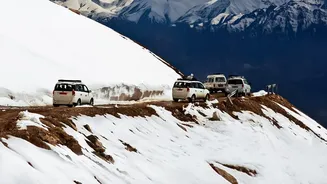
time to acclimatize to the high altitude. The Manali-Kaza highway, which crosses the formidable Kunzum Pass (4,590m), is more dramatic but becomes unpredictable as the season progresses. Early snowfall can lead to sudden closures of Kunzum Pass, sometimes as early as late September, potentially trapping travelers. For Indian citizens, no Inner Line Permit (ILP) is required for the main Spiti circuit; however, you must carry a valid government photo ID for registration at various checkposts.
Respect Acute Mountain Sickness (AMS)
At altitudes above 2,500 metres, the risk of Acute Mountain Sickness becomes very real. AMS is caused by lower oxygen levels and can affect anyone, regardless of age or fitness level. Symptoms include headache, nausea, dizziness, fatigue, and difficulty sleeping. Ignoring these signs can lead to severe, life-threatening conditions. The key to prevention is acclimatisation. Ascend slowly, spend a night at an intermediate altitude like Kalpa or Nako if coming from Shimla, and avoid overexertion for the first few days. Stay well-hydrated by drinking 4-5 litres of water daily and eat light meals. Avoid alcohol, as it can interfere with acclimatisation. Consult a doctor about carrying acetazolamide (Diamox) as a preventive measure.
Prepare Your Vehicle Thoroughly
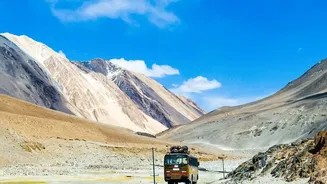
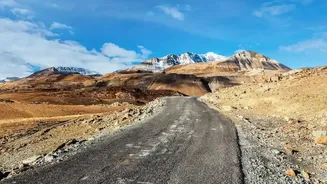
The roads in Spiti are treacherous, with stretches of gravel, loose rock, and numerous water crossings, especially on the Kunzum Pass route. Before your trip, get your vehicle fully serviced. Pay special attention to brakes, tyres (including the spare), suspension, and all fluid levels (engine oil, coolant, brake fluid). A car with high ground clearance is highly recommended. Given the rough terrain, All-Terrain (AT) tyres are a much safer bet than standard highway tyres. Pack a complete toolkit, a puncture repair kit, and an air compressor. Knowing how to perform basic checks and change a tyre is non-negotiable. Fuel stations are scarce, so refuel at every opportunity and consider carrying extra fuel in a safe jerrycan.
Pack for Extreme and Unpredictable Weather
Autumn weather in Spiti can change in an instant. Days can be sunny and pleasant, but temperatures plummet dramatically after sunset, often dropping below freezing. The mantra is to pack layers. Carry thermal wear, fleece jackets, and a windproof and waterproof outer shell. Don't forget a warm cap, gloves, woollen socks, and sturdy, waterproof shoes. Sun protection is also critical at high altitudes, so pack sunscreen, lip balm, and good quality sunglasses. With many smaller dhabas and guesthouses closing down by October, it's wise to carry extra snacks and a flask for hot water. Also, ATMs are few and often out of cash, so carry enough currency for your entire trip.
Drive Smart and Stay Cautious
Driving on Spiti's narrow, winding roads demands your full attention. Always drive during daylight hours and start early to avoid afternoon winds or frost. Black ice, a transparent layer of ice on the road, is a major hazard in autumn mornings and can cause vehicles to skid. Maintain a slow, steady speed, and avoid sudden braking or acceleration. On narrow stretches, always give way to uphill traffic, as it is much harder for them to restart from a stop. Before crossing any water streams on the road, it's a good idea to walk through first to gauge the depth and current. Finally, keep a few buffer days in your itinerary to account for unexpected delays due to weather or road blocks.