







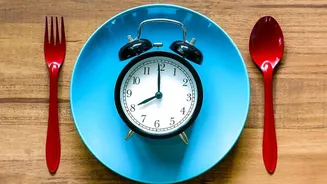
Working with Your Body's Clock
Your body operates on a 24-hour internal clock known as the circadian rhythm. This rhythm doesn't just dictate when you feel tired or awake; it also manages essential functions like digestion and metabolism. Our metabolic processes are naturally primed
for activity during the day and slow down in the evening as the body prepares for rest. When you eat late at night, you're essentially asking your digestive system to work overtime during its scheduled downtime. This misalignment can disrupt how your body processes food, leading to less efficient nutrient use and other metabolic issues.
The Metabolic Advantage of an Early Dinner
One of the most significant benefits of an earlier dinner relates to blood sugar control. Your body is most insulin-sensitive and efficient at processing glucose earlier in the day. Eating late in the evening, when insulin sensitivity naturally declines, can lead to higher and more prolonged blood sugar spikes. One study found that having dinner at 10 p.m. instead of 6 p.m. resulted in blood sugar levels that were almost 20 percent higher. Over time, consistently elevated blood sugar can increase the risk for metabolic conditions like insulin resistance and type 2 diabetes. Furthermore, research shows that an earlier meal schedule boosts fat metabolism. A study noted that late eaters experienced a 10 percent reduction in fat burning compared to those who ate earlier, meaning more calories were prone to being stored as fat rather than used for energy.
The Link to Deeper, More Restful Sleep
Finishing your last meal well before bedtime is also a recipe for better sleep. When you go to bed with a full stomach, your body is forced to focus on digestion instead of entering a deep, restorative sleep state. This can lead to discomfort from issues like bloating, indigestion, or acid reflux, all of which can disrupt sleep. Giving your body a window of about three to four hours between your last bite and bedtime allows your digestive system to settle down. This helps your body transition more smoothly into the critical phases of sleep, allowing for the cellular repair and memory consolidation that are essential for waking up feeling refreshed and energised.
How to Make the Switch to an Earlier Meal
The idea of shifting your dinner time can seem daunting, but it doesn't have to happen overnight. You can start by moving your mealtime earlier by just 15 to 30 minutes each week. Planning your meals in advance can help prevent last-minute decisions that lead to late-night eating. If a busy schedule makes an early dinner impossible, aim to make your evening meal smaller and lower in carbohydrates to lessen the metabolic impact. Pairing any carbs with protein and healthy fats can also help stabilize blood sugar levels. It’s also helpful to pay attention to your own body. Some people, particularly natural 'night owls', may have a slightly different internal clock and be less affected by a later meal. The key is to find a routine that helps you feel your best.