







The Science of a Simple Stroll
One of the most immediate and powerful benefits of walking after eating is its effect on blood sugar. When we eat, especially meals rich in carbohydrates, our bodies break them down into glucose, which enters the bloodstream. This causes a natural rise
in blood sugar levels. A walk, even a short one, prompts our muscles to use this glucose for energy. This helps to lower the amount of sugar circulating in the blood, preventing sharp spikes and subsequent crashes. Studies have shown that walking within 30 to 90 minutes after a meal is particularly effective. This simple action helps to moderate blood sugar changes more gradually, which is beneficial for everyone, but especially important for individuals managing prediabetes or diabetes.
A Boost for Your Heart
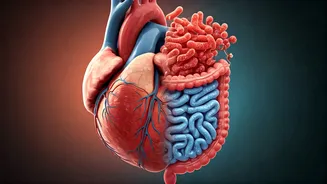
The benefits of walking extend directly to your cardiovascular system. Regular physical activity is a well-known pillar of heart health, and incorporating short walks after meals is an easy way to meet daily exercise recommendations. Consistent walking can help lower blood pressure and reduce levels of LDL (bad) cholesterol, two major risk factors for heart disease. Research suggests that three 10-minute walks a day can be effective in reducing blood pressure. This habit also helps manage triglycerides, a type of fat in the blood that, at high levels, can increase the risk of heart attack and stroke. By making a post-meal stroll a regular part of your routine, you are taking a consistent, low-impact step toward protecting your heart for years to come.
Soothing Your Digestive System
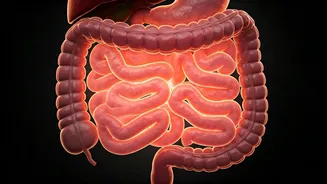
If you often feel bloated or uncomfortably full after eating, a walk could provide significant relief. Movement helps stimulate the stomach and intestines, a process known as peristalsis, which encourages food to move through your digestive tract more efficiently. This can reduce the time food spends in your stomach, potentially lessening symptoms like gas, bloating, and indigestion. By staying upright and moving gently, you also use gravity to your advantage, which can help prevent issues like acid reflux. Studies have found that even a 10 to 15-minute walk can help reduce common gastrointestinal discomfort, making your post-meal experience much more pleasant.
Your Post-Meal Walking Guide
So, what’s the best way to start? The good news is that it doesn’t take much to reap the benefits. Aim for a 10 to 15-minute walk after your main meals. The ideal time to start is within 15 to 30 minutes of finishing your meal, as this is when blood sugar levels begin to rise. The pace should be gentle to moderate; you aren’t aiming for a high-intensity workout. A leisurely stroll where you can still hold a conversation is perfect. If you’ve had a particularly large or heavy meal, you might want to wait a little longer or keep the pace very slow to avoid discomfort. The key is consistency. Making this a regular habit is more important than the occasional long, strenuous walk.
Listen to Your Body
While walking after meals is safe and beneficial for most people, it's always important to pay attention to your body's signals. If you experience any cramping or discomfort, you may have walked too soon or too fast. In that case, try waiting 10 to 15 minutes before starting your next walk and keep the intensity low. After a very heavy meal, a longer wait of 20 to 30 minutes might feel better. The goal is to support your body, not to push it into discomfort. Ultimately, personalizing the routine to what feels best for you is the key to making it a sustainable and enjoyable habit for the long term.