





The Invisible Enemy in Wet Soil
The primary cause of the dreaded "root rot" isn't just too much water; it's the environment that prolonged sogginess creates. When a potting mix becomes compacted and waterlogged, it forces out all the air. This oxygen-deprived, or anaerobic, environment is the perfect
breeding ground for specific types of bacteria. Unlike the beneficial microbes that help a plant thrive, these anaerobic bacteria attack and decompose the plant's roots. This process results in mushy, blackened, and often foul-smelling roots that can no longer absorb water or nutrients, effectively starving the plant from below. Even if the soil is damp, the plant may start to wilt because its damaged root system has stopped functioning.
Why Plant Roots Need to Breathe
Just like us, plant roots need oxygen to survive. This process, known as cellular respiration, is essential for the roots to generate the energy required to grow and absorb water and nutrients. In a well-aerated soil, there are plenty of small air pockets that hold oxygen. This oxygen-rich environment supports a healthy ecosystem of beneficial aerobic bacteria and fungi that work in harmony with the plant. When soil is loose and airy, roots can grow freely, water drains effectively, and the entire system remains in balance. Compacted, wet soil suffocates roots, leading to a shutdown of their essential functions and making them vulnerable to attack.
Sand: The Heavyweight Champion of Drainage
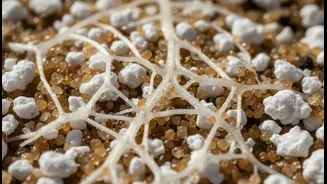
This is where adding coarse-textured materials comes in. Sand, specifically coarse horticultural sand, is a time-tested solution for improving soil structure. The large, irregular particles of coarse sand don't fit together snugly like fine-grained soil or clay. Instead, they create larger gaps, or macropores, within the potting mix. These channels allow excess water to drain away quickly after watering, preventing the soil from becoming saturated. More importantly, once the water has drained, these channels fill with air, delivering vital oxygen directly to the root zone. It's crucial to use coarse or builder's sand, as fine play sand can actually worsen the problem by compacting and clogging the very pores you're trying to create.
Perlite: The Lightweight Porous Powerhouse
If you've ever noticed little white, styrofoam-like bits in your potting soil, you've seen perlite. Perlite is a volcanic glass that is heated until it pops like popcorn, creating an incredibly lightweight and porous material. It works wonders for aeration in two ways. First, like sand, its chunky particles create physical air pockets in the soil mix. Second, each individual particle of perlite is filled with tiny air cavities itself. This structure makes it exceptionally good at improving drainage and preventing soil compaction, all while being much lighter than sand. While its main job is to boost aeration, its porous surface can also hold onto a small amount of water and nutrients, releasing them as the plant needs them.
Choosing Your Aeration Amendment
So, which should you choose? Both sand and perlite effectively create the oxygen-rich conditions that thwart anaerobic bacteria. The choice often comes down to practicality. Perlite is extremely lightweight, making it ideal for most houseplants and container gardens, especially in hanging baskets or pots you move frequently. Coarse sand is significantly heavier, which can be an advantage for stabilising top-heavy plants that might otherwise tip over in a light pot. For many succulents and cacti that demand excellent drainage, a mix incorporating both can be beneficial. A common ratio for general potting mixes is to replace about one-quarter to one-third of your mix with one of these amendments to ensure your plant's roots have the breathable environment they need.