

An Unplanned Scientific Opportunity
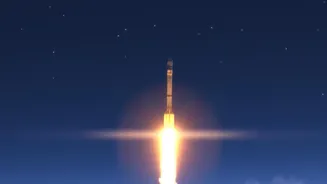
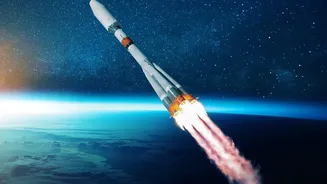
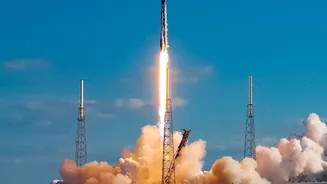
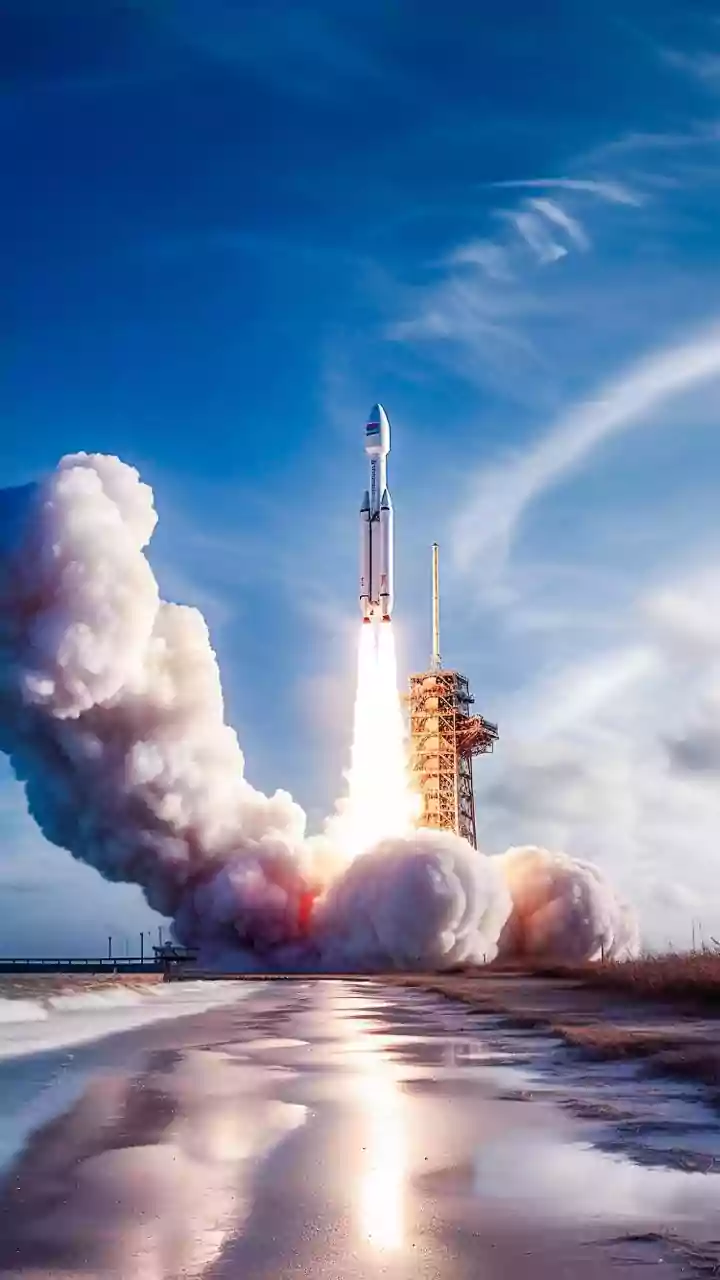
A spent upper stage of a SpaceX Falcon 9 rocket, which completed its primary mission in January 2025 by delivering two lunar landers, has been in a meandering orbit ever since. Due to a combination of solar activity and gravitational forces, this four-tonne
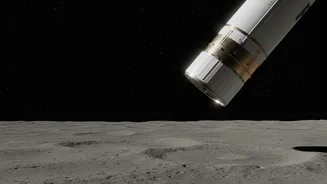
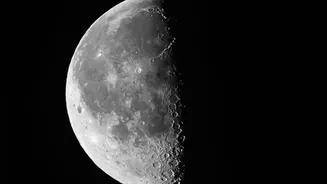
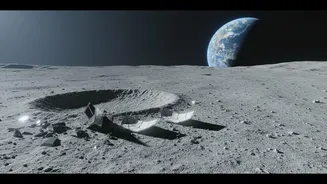
piece of hardware is now on a collision course with the Moon, expected to impact on August 5, 2026. While the crash itself is uncontrolled, the event has been predicted with high certainty by astronomers, transforming what would be space junk into a valuable, impromptu science experiment. NASA and other scientists are seizing this rare chance to observe a well-understood object hitting the Moon at high velocity, providing a unique dataset.
The Science of a Cosmic Collision
So, what can be learned from a rocket crashing into the Moon at over 5,000 miles per hour? The primary science comes from analyzing the ejecta plume—the cloud of dust and rock kicked up by the impact. As this material is thrown up from the surface, it will be briefly illuminated by sunlight. Telescopes on Earth and orbiting spacecraft like NASA's Lunar Reconnaissance Orbiter (LRO) can study the light that passes through or reflects off this plume. By using a technique called spectroscopy, scientists can determine the chemical composition of the excavated material. It’s like a geological dig, but instead of a shovel, the tool is a speeding rocket, and the analysis happens from hundreds of thousands of kilometers away.
Hunting for Water Ice and Lunar Secrets
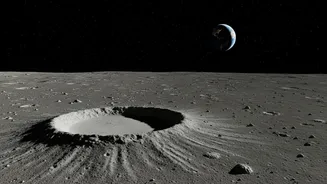
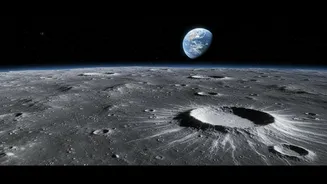
One of the most sought-after resources on the Moon is water ice. Evidence suggests it exists in permanently shadowed regions (PSRs) near the lunar poles, where sunlight never reaches. This ice is a critical resource for future human exploration—it can be used for drinking water, breathable air, and even processed into rocket fuel. However, recent studies suggest this ice might be less abundant or more patchily distributed than once hoped. An impact event, similar to NASA's deliberate LCROSS mission in 2009, can excavate material from just below the surface, potentially ejecting tell-tale signs of water and other volatile compounds into the observable plume. The impact will also create a fresh crater, estimated to be around 60 feet wide, allowing scientists to study the properties of the lunar regolith (soil) and how craters form in real-time.
A New Model for Low-Cost Science
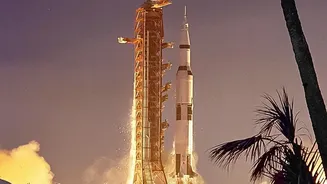
This event, while accidental in its trajectory, highlights a deliberate shift in space science. Deliberately crashing spacecraft into the Moon for science is not a new idea; the Apollo missions intentionally impacted their Saturn V third stages to test seismic sensors. What is new is the context. The proliferation of commercial spaceflight, led by companies like SpaceX, means there are more rocket stages and hardware being sent into deep space. This creates more opportunities for 'bonus science'. By tracking and observing these discarded stages, the scientific community can gather valuable data without the massive cost of designing, building, and launching a dedicated impactor mission. It represents a resourceful and cost-effective approach to planetary science, turning a mission's leftovers into a primary research tool.