





The Modern Sedentary Dilemma
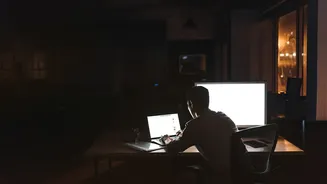
Today's work environment, whether fully remote, hybrid, or in a traditional office, is increasingly sedentary. Back-to-back virtual meetings and hours spent staring at a screen have replaced the incidental movement we once took for granted, like walking
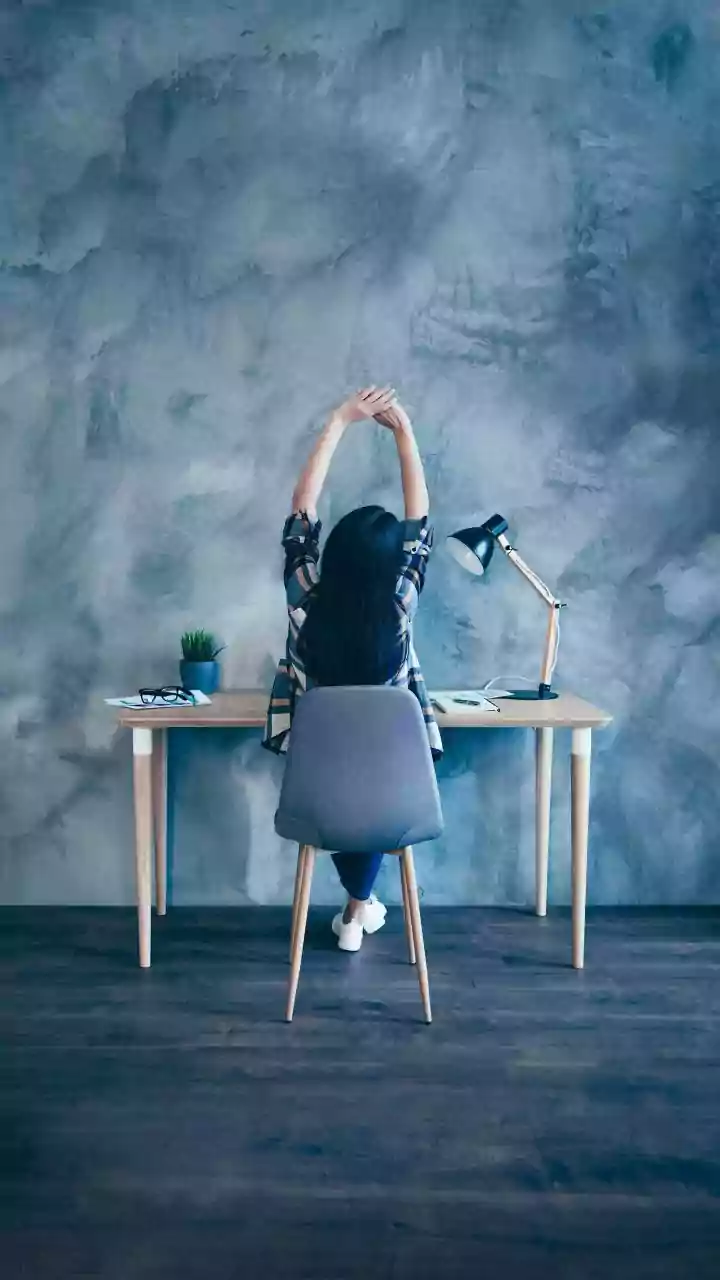
to a meeting room, commuting, or even just crossing the office to speak with a colleague. This constant sitting contributes to a host of issues, including physical strain like back and neck pain, mental fatigue, and a general feeling of being drained. Studies show that remote workers, in particular, have seen a significant increase in sedentary behavior, which can lead to long-term health risks such as cardiovascular issues and metabolic problems.
A Physical Reset in Just 10 Minutes
The good news is that you don't need an hour at the gym to counteract these effects. Research shows that even short walks, especially after meals, can have a profound impact. A brief 10 to 15-minute walk helps regulate blood sugar levels, which can prevent that all-too-familiar post-lunch slump. This simple act gets your blood flowing, reduces the risk of chronic diseases associated with prolonged sitting, and can alleviate the stiffness that builds up in your muscles and joints. Think of it as a physical reset button that helps your body manage energy more effectively throughout the day.
Unlocking Your Brain's Potential
The benefits of a short walk extend far beyond the physical. Stepping away from your screen and moving your body is a proven method for boosting mental clarity and creativity. A Stanford University study found that walking can increase creative output by an average of 60%. This is because walking allows for a type of thinking called 'divergent thinking,' which is crucial for brainstorming and problem-solving. It also helps reduce stress by lowering cortisol levels and releasing mood-boosting endorphins. In an era of digital burnout, a short walk can be the most effective tool for clearing your head, sharpening your focus, and returning to your tasks with a fresh perspective.
Making It Fit: Practical Tips
The beauty of a short walk is its adaptability. The key is to integrate it so seamlessly into your day that it becomes a non-negotiable part of your routine. One effective strategy for Indian professionals is to schedule it in your calendar, just as you would a meeting. Label a 15-minute slot before lunch or in the mid-afternoon as a 'walking break'. Another popular technique is the 'walking meeting,' where you take calls on the move. This is especially useful for one-on-one chats or calls that don't require a screen. For those working from home, a walk can create a powerful psychological boundary. A short stroll before you start your day can replace the morning commute, and another at the end of the day can help you mentally 'leave' work behind.
More Than Just Exercise
Ultimately, embracing the daily walk is about more than just hitting a step count. It is an act of reclaiming your time and well-being in a work culture that constantly demands more. It is a moment to disconnect from technology and reconnect with yourself and your surroundings. It provides a valuable mental break, reducing anxiety and improving your overall mood. In the context of India's demanding corporate environments, establishing these small, sustainable habits is crucial for long-term health and productivity. By building these 'movement snacks' into the day, you're not just improving your health; you are investing in a more sustainable and balanced way of working and living.