





Understanding the Modern Threat
The rapid adoption of Unified Payments Interface (UPI) and other digital wallets has transformed how we handle money. However, this digital shift has also created a new playground for scammers. Fraudsters no longer need complex hacking skills; instead,
they use social engineering—tricks that exploit human psychology like trust, fear, and urgency—to deceive people. They might impersonate bank officials, e-commerce representatives, or even family members to create a false sense of security or panic, ultimately aiming to steal your financial information or trick you into sending them money. Understanding their methods is the first step toward building a strong defence.
Spotting and Dodging Phishing Links
Phishing remains one of the most common forms of digital fraud. Scammers send deceptive emails, SMS, or WhatsApp messages that look like they are from a legitimate source, such as your bank, a delivery service, or a government agency. These messages often create a sense of urgency, warning that your account will be blocked or that a package is pending. They contain links that lead to fake websites designed to steal your login credentials, card details, or other sensitive data. To stay safe, always verify the sender's details and look for spelling errors or odd-looking URLs. Instead of clicking on links in unsolicited messages, access your banking or payment apps directly.
The Deception of 'Scan to Receive'
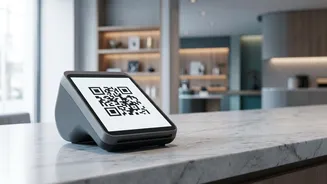
A particularly widespread scam in India involves QR codes. Fraudsters exploit a crucial misunderstanding: you only ever need to scan a QR code to make a payment, never to receive money. Scammers may send you a QR code claiming you need to scan it to get a refund, accept payment for an item you're selling online, or claim a prize. When you scan the code and enter your UPI PIN, you are not receiving money; you are authorising a debit from your own account. Always remember this simple rule: entering your PIN is for paying out, not for getting paid. Be extra cautious of QR code stickers pasted over official ones at shops or fuel stations, as these can redirect your payment to a scammer's account.
Your Digital Keys: PINs and OTPs
Your PINs, passwords, and One-Time Passwords (OTPs) are the keys to your financial accounts. Never share them with anyone. Legitimate banks and financial institutions will never call, email, or text you to ask for this information. Fraudsters often create fake urgency, pretending to be from customer support to trick you into revealing these details. It's also critical to use strong, unique passwords for different financial apps and enable multi-factor authentication (MFA) wherever possible. MFA adds an extra layer of security, making it much harder for anyone to access your accounts even if they manage to steal your password.
Developing Safe Transaction Habits
Cultivating a few simple habits can significantly reduce your risk of being scammed. Before authorising any UPI transaction, double-check the recipient's name and details on the confirmation screen. Be wary of unsolicited payment requests. Always use secure internet connections for financial transactions; avoid public Wi-Fi networks, which can be vulnerable to hackers. Regularly monitor your account statements and transaction history for any unauthorized activity, no matter how small, and report it immediately. Finally, only download payment and banking apps from official sources like the Google Play Store or Apple App Store to avoid malicious counterfeit apps.
What to Do If You Become a Victim
If you suspect you've been scammed and money has been debited, it's crucial to act fast. Immediately contact your bank to report the fraudulent transaction and request a block on your card or account. The next step is to report the incident to the National Cyber Crime Reporting Portal by calling the helpline number 1930 or visiting cybercrime.gov.in. This can help authorities attempt to put a hold on the transferred funds. Keep all evidence of the scam, such as screenshots, messages, and transaction IDs, as you will need them for your complaint. Reporting quickly not only improves your chances of recovery but also helps authorities track and combat these fraud networks.