

The Staggering Cost Divide
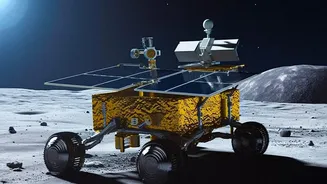
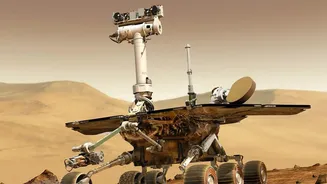
The most immediate and stark contrast between human and robotic missions is the price tag. A robotic mission, like NASA's Perseverance rover, costs under $3 billion. In contrast, estimates for a crewed mission to Mars range from $100 billion to over $600
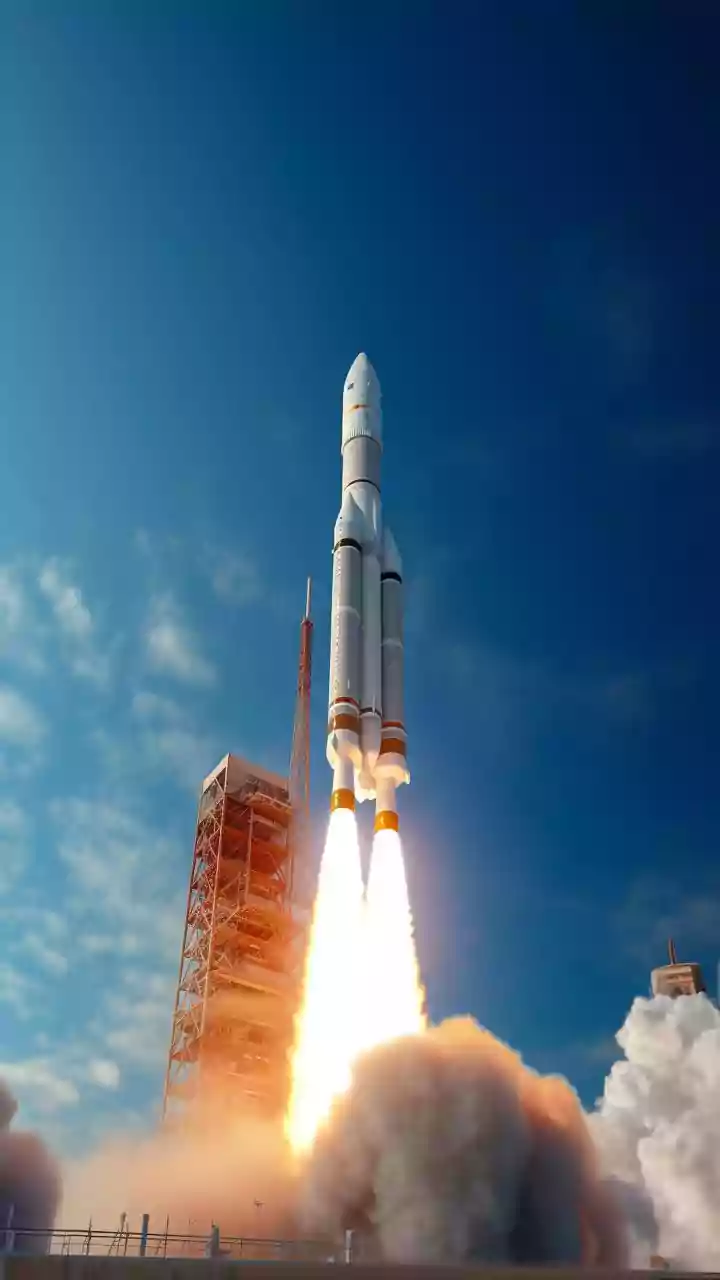
billion, with some projections even approaching a trillion dollars. This enormous difference comes down to the basic needs of human life. Astronauts require a constant supply of food, water, and breathable air for a mission that could last nearly three years. All of this life support equipment adds immense weight, which in turn requires exponentially more fuel to launch from Earth. Robots, on the other hand, don't need to eat, drink, or breathe, making them vastly cheaper to build, launch, and operate.
A Question of Risk
Beyond the financial investment, there's the human cost. Deep space is an incredibly hostile environment. Mars lacks a global magnetic field and has only a thin atmosphere, leaving its surface exposed to dangerous levels of cosmic and solar radiation that can damage DNA and increase cancer risk. Astronauts would also face the physiological effects of microgravity, plus the intense psychological stress of isolation and confinement for years. If a critical system fails, there is no quick rescue possible from Earth. For a robot, the worst-case scenario is the loss of an expensive piece of hardware. For a human crew, it's a matter of life and death. NASA and other agencies would never sanction a mission without rigorous safety measures, which themselves add to the cost and complexity.
The Return Ticket Mandate
As the headline suggests, a fundamental difference is the need for a round trip. A one-way journey for a robotic rover is considered a mission success. But a one-way trip for an astronaut is an unthinkable catastrophe. This means a human expedition must not only land on Mars but also launch itself off the planet to come home. Escaping Mars's gravity well requires a massive amount of energy and a dedicated Mars Ascent Vehicle. The fuel for this return journey cannot practically be brought from Earth. Instead, future missions rely on developing technology for 'in-situ resource utilization' (ISRU), primarily creating rocket propellant from the Martian atmosphere's carbon dioxide. This technology, while promising, has only been tested on a small scale and adds another layer of complexity and potential failure points to a human mission.
The Case for Human Ingenuity
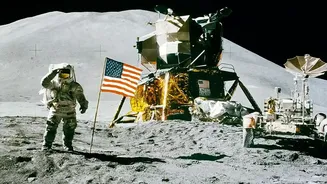
Despite the daunting challenges, the argument for sending humans is compelling. The primary advantage is adaptability and speed. A human geologist can make intuitive leaps, identify interesting targets, and collect samples far more efficiently than a slow-moving rover. For comparison, the Apollo 17 astronauts covered 35 kilometers and collected hundreds of rock samples in just three days on the Moon. By contrast, a rover like Curiosity moves at a crawl—about 0.14 km/h—and requires painstaking instructions from Earth for every action, a process hampered by significant communication delays. Proponents argue that a human crew could accomplish more science in a week than a rover could in a decade, potentially justifying the massive investment.
The Robotic Vanguard
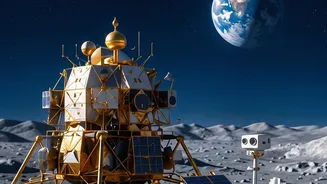
While humans may be the ultimate explorers, robots are the indispensable vanguard. They can operate for years in harsh conditions, venture into areas too dangerous for people, and carry specialized scientific instruments. Current and future robotic missions are designed to be precursors to human exploration. They map the terrain, study the climate, and test key technologies. The proposed Mars Sample Return mission, a joint effort by NASA and ESA, aims to bring the first pristine samples of Martian rock and soil back to Earth for analysis in advanced labs—a feat that would revolutionize our understanding of the planet and help assess potential hazards for future astronauts. In this sense, robots aren't just an alternative to human missions; they are a necessary prerequisite.