




A Market Finding Its Muscle
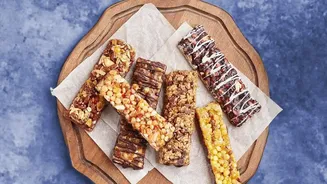
The numbers confirm what the shelves suggest. India’s market for protein-based products is expanding rapidly, projected to grow from around $4.58 billion in 2024 to over $16 billion by 2033. Specifically, snacks like protein bars, which were a niche product a decade
ago, are becoming mainstream. The Indian protein bar market alone was valued at over $130 million in 2025 and is on a steady growth trajectory. This surge is part of a broader expansion in the ready-to-eat food sector, which is forecast to grow at a compound annual growth rate (CAGR) of over 7.6% between 2026 and 2034. The demand isn't just for any convenience food; it's increasingly for snacks that are perceived as healthy, with protein being a key marker of nutritional value.
Health Is the New Wealth
The core driver of this trend is a fundamental shift in the Indian consumer's mindset. Health and wellness are no longer afterthoughts but active pursuits. More than half of Indian consumers (53%) now say they proactively take steps to improve their health. This isn't just about reacting to illness; it's about preventive care and optimising well-being. The motivations have broadened beyond aesthetics or bodybuilding to include functional goals like better mobility, mental clarity, and long-term health. As awareness about lifestyle diseases grows, consumers are paying closer attention to what they eat, with over 70% reading ingredient labels on snacks. Protein has become a buzzword for a healthier choice, a quick and easy way to feel good about a snack.
The Convenience Imperative
Rapid urbanisation and increasingly demanding work schedules have made convenience a non-negotiable aspect of modern life. For busy professionals, students, and nuclear families, elaborate meal preparation is often a challenge. Protein snacks fit perfectly into this reality. They offer a quick, portable, and portion-controlled solution for a hunger pang between meetings or during a commute. They are the ultimate 'grab-and-go' option that bridges the gap between a full meal and an unhealthy impulse buy. This need for convenient nutrition is a powerful force, driving the entire ready-to-eat category forward as consumers are willing to spend more for solutions that save time without compromising on perceived quality.
The Rise of the Informed Consumer
Today’s consumer is not just hungry; they are informed, or at least seeking information. The internet and social media have democratised knowledge about health and nutrition. Wellness influencers, fitness apps, and health-tracking wearables have made terms like 'macros' and 'clean eating' part of the popular vocabulary. This has created a more discerning buyer who actively seeks out products that align with their wellness goals. Brands have responded by highlighting protein content and using 'clean label' marketing. Consumers now expect transparency, with 64% wanting detailed product information and clear labels before making a purchase. This dialogue between brands and consumers is reshaping product development, pushing for healthier formulations.
An Aspirational Shift
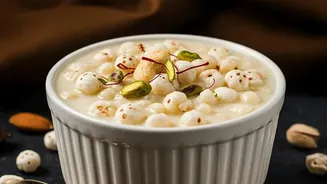
Ultimately, choosing a protein bar over a traditional samosa is about more than just nutrition; it's an aspirational choice. It signals an alignment with a modern, global, and health-conscious identity. While a significant protein deficiency still exists across India, particularly as many diets rely heavily on lower-quality protein from cereals, the desire for better is clear. The trend is even seeing rapid growth in Tier-2 and Tier-3 cities, indicating that this aspiration is not limited to the metros. Brands are also tapping into this by giving traditional Indian ingredients like makhana and sattu a modern, protein-focused makeover. This blend of the traditional and the modern is a hallmark of the new Indian consumer, who seeks products that are both familiar and aspirational.