



Why Depth and Form Matter
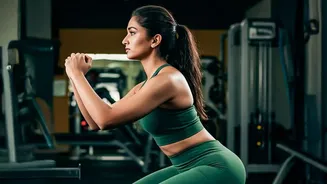
The effectiveness of a squat or lunge is not just about going through the motions; it's about controlling the movement through a specific range. Deeper squats and lunges, when performed correctly, can lead to greater muscle activation in the glutes and thighs.
However, more depth is not automatically better. The goal is to find the deepest range you can control without your form breaking down, such as your back rounding or knees caving inward. A partial range of motion can be a valuable tool for beginners or those working around mobility issues, allowing you to build strength and confidence before progressing. Ultimately, proper form ensures you're targeting the right muscles safely and effectively.
Mastering the Bodyweight Squat
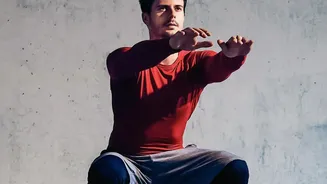
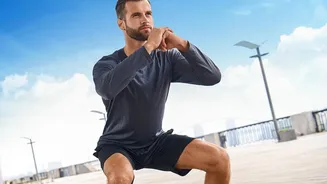
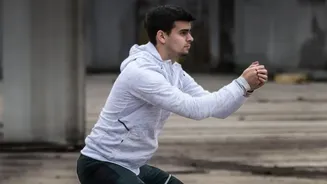
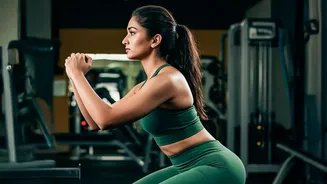
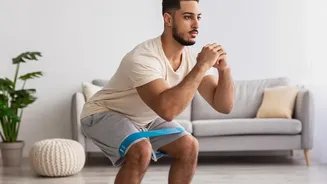
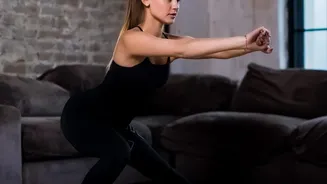
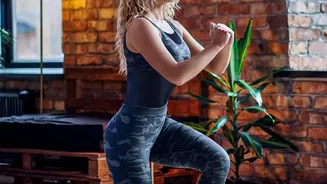
Before adding weight, master the basic squat. Start with your feet slightly wider than hip-width apart, with your toes pointed slightly outward. Keep your chest up and your core engaged as you initiate the movement by pushing your hips back, as if sitting in a chair. Lower yourself until your thighs are at least parallel to the floor, ensuring your knees track in line with your toes and don't collapse inward. Your weight should be evenly distributed in your feet, with heels firmly on the ground. Drive back up to the starting position by pushing through your heels, keeping your torso upright. If full depth is a challenge, practice squatting to a chair or a low box to build control.
Adjusting Squat Difficulty
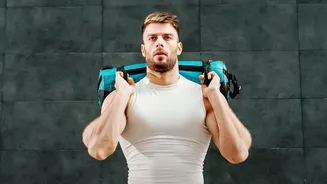
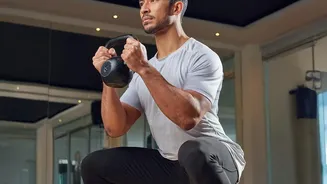
Once you can comfortably perform multiple sets of bodyweight squats with good form, you can increase the challenge. The first step is to increase the depth, gradually working toward a deeper range of motion while maintaining control. To add resistance, a goblet squat, where you hold a dumbbell or kettlebell at your chest, is an excellent next step. This not only adds load but also helps you keep an upright torso. From there, you can progress to other variations like barbell front or back squats. For an advanced challenge, single-leg variations like pistol squats will significantly test your strength and balance.
Perfecting the Lunge
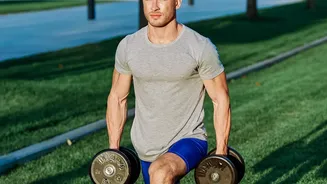
Lunges are a unilateral exercise, meaning they work one leg at a time, which is fantastic for improving balance and addressing muscle imbalances. To perform a forward lunge, take a step forward and lower your hips until both knees are bent at approximately a 90-degree angle. Your front knee should be aligned over your front ankle, and your back knee should hover just above the ground. Keep your torso upright and your core engaged to maintain stability. Push off your front foot to return to the starting position. Ensure your stance is about hip-width apart, as if your feet are on railway tracks, to maintain balance.
Varying Lunge Depth and Difficulty
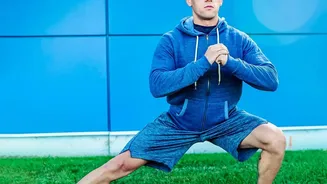
Similar to squats, you can make lunges easier by reducing the depth; simply lower your body halfway down. You can also use a chair for support. To increase the difficulty, try walking lunges, where you step forward into the next lunge instead of returning to the start. This variation challenges your endurance and coordination. Adding weights, like holding dumbbells in each hand or a kettlebell at your chest, is a straightforward way to add resistance. Other variations like reverse lunges (stepping backward) or lateral lunges (stepping sideways) can target your thigh and glute muscles in slightly different ways, providing a more well-rounded lower-body workout.
Common Mistakes to Avoid
Two of the most common errors in both exercises involve the knees. Allowing your knees to cave inward during a squat or lunge puts unnecessary stress on the joint and indicates that stabilizing muscles may not be firing correctly. Focus on actively pushing your knees out so they track over your feet. Another mistake is leaning your torso too far forward, which can shift the emphasis away from your legs and onto your lower back. While a slight forward hinge from the hips is natural in a squat, your back should remain straight, not rounded. Finally, don't rush. Controlling the lowering (eccentric) phase of the movement is just as important as the upward push for building strength.