





The Green, Quiet Promise
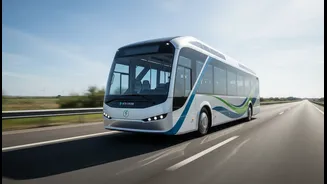
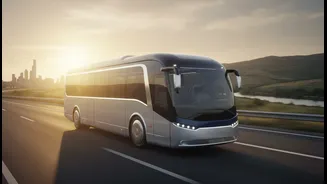
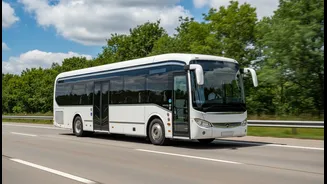
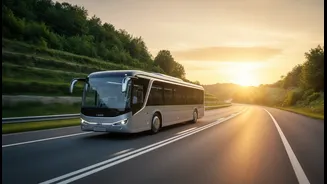
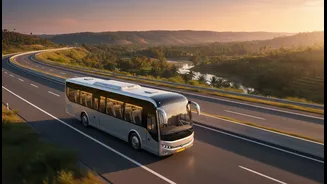
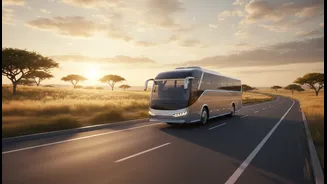
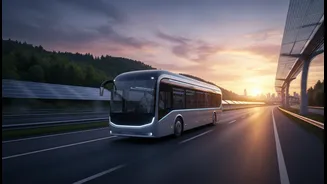
Intercity travel in India is getting a futuristic upgrade. Companies like NeuGo, FreshBus, and Zingbus are rolling out fleets of premium electric buses, promising a travel experience that’s a world away from the rattling, noisy journeys of the past. These
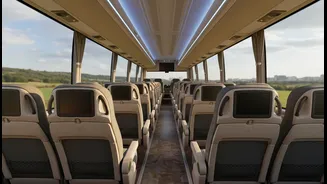
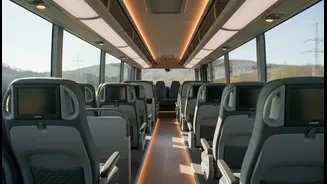
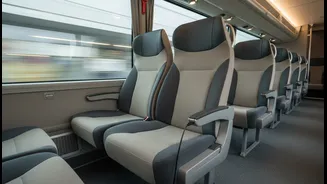
buses are marketed as a greener, smarter alternative, offering zero tailpipe emissions and a near-silent ride. Onboard, passengers are often treated to comfortable reclining seats, individual charging points, and a cleaner cabin environment. For many, the appeal is clear: you get to your destination feeling more relaxed, all while contributing to a cleaner environment. The economic case for operators is also strong; with lower running costs compared to diesel, they can invest more in the passenger experience. This shift represents a significant step forward, aiming to make bus travel a more desirable and premium option.
The Charging Network Conundrum
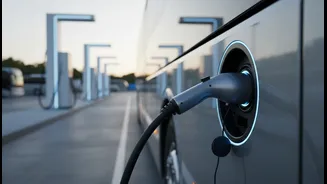
Here’s the first major caveat: the charging infrastructure for intercity electric buses is still a work in progress. While growing, the network of highway charging stations capable of powering a large bus is not yet comprehensive across the country. A typical electric bus has a range of about 250-300 kilometres on a single charge, which is often not enough to cover the entire distance between major cities. This necessitates a mid-journey charging stop. On well-established routes, this can be a smooth 30-40 minute break at a designated stop. However, on newer or less-travelled routes, it can introduce unpredictability. A lack of available chargers, technical glitches, or high demand can lead to significant delays, turning a scheduled break into a frustrating wait. This 'range anxiety' is a real concern for both operators and passengers, making long-distance EV bus travel a calculated risk.
Service Quality Is a Mixed Bag
The second critical factor is the inconsistent service quality. While the buses themselves are new, the overall experience—from booking to arrival—can vary dramatically. Customer reviews for several popular operators are a mix of high praise and deep frustration. For every passenger who enjoys a clean bus and professional crew, there’s another who reports last-minute cancellations, rude staff, or non-functional amenities like air conditioning. Customer support can be another point of failure, with reports of unhelpful call centres and unresolved complaints regarding refunds or breakdowns. This inconsistency suggests that while the hardware (the bus) might be premium, the software (operations and customer service) hasn't always caught up. The quality of your journey can depend on the specific operator, the route, and even the crew on duty that day.
Not All Routes Are Created Equal
Ultimately, the reliability of your electric bus journey comes down to the route. High-traffic, shorter-distance corridors like Mumbai-Pune, Delhi-Chandigarh, Hyderabad-Vijayawada, and Bengaluru-Chennai tend to offer a much better and more predictable experience. Operators prioritize these routes, ensuring better bus maintenance, more experienced drivers, and more reliable charging infrastructure. The high frequency of services means there are often backup options if something goes wrong. Conversely, longer and less common routes are where problems are more likely to surface. A 500-kilometre journey puts far more strain on the vehicle's battery and the nascent charging network. If you’re considering an electric bus for a longer, more obscure route, it’s wise to go in with your eyes open and be prepared for potential delays.
Tips for a Smarter EV Bus Trip
Despite the challenges, you can still have a great experience on an electric bus by being a savvy traveler. First, do your research. Before booking, search for recent reviews for the specific route you plan to take, not just the operator in general. Second, stick to popular, well-established routes where possible, as they are likely to be the most reliable. Third, check the operator's reputation for punctuality and customer service on platforms other than their own app. Finally, manage your expectations. For longer journeys, mentally budget for a potential charging delay. By choosing your route and operator carefully, you can significantly increase your chances of enjoying the quiet, comfortable, and green journey that these modern buses promise.