

India's Next Interplanetary Frontier
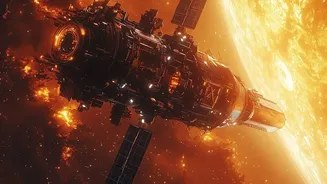
Following the monumental successes of its missions to the Moon (Chandrayaan) and Mars (Mangalyaan), the Indian Space Research Organisation (ISRO) is setting its sights on the second planet from the Sun. The Shukrayaan-1 mission, India's first dedicated
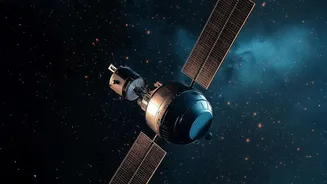
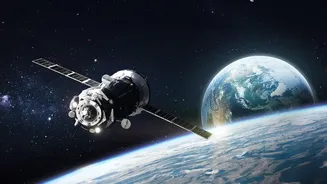
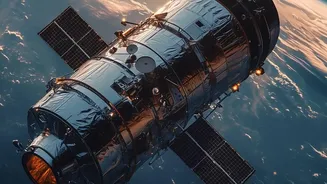
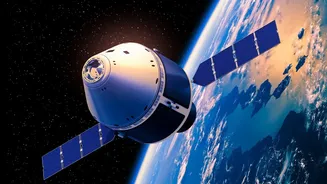
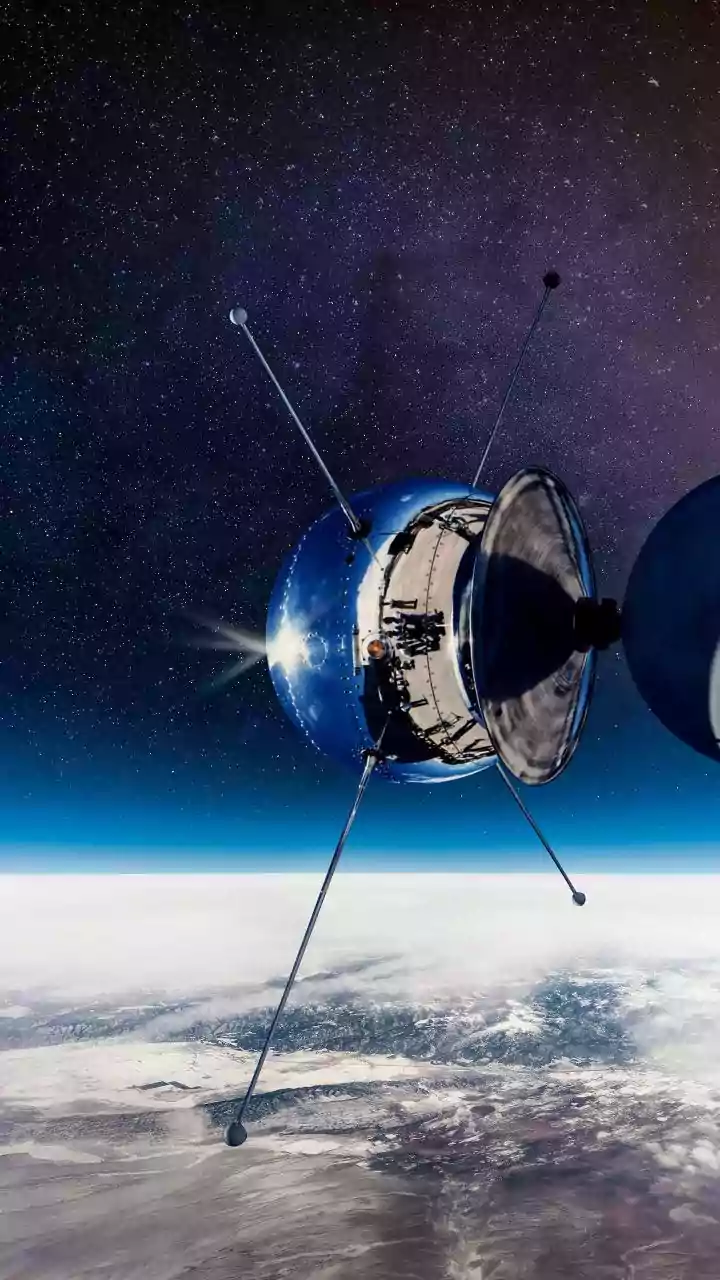
venture to Venus, represents a bold new chapter in the nation's space exploration journey. The mission involves sending a spacecraft into a highly elliptical orbit around Venus, where it will spend years conducting a detailed scientific investigation. Approved by the Indian government, this orbiter mission is designed to build upon ISRO's legacy of cost-effective and science-driven interplanetary exploration, positioning India among the elite group of nations that have closely studied our planetary neighbour. The latest timeline points to a launch in March 2028.
Why Study Earth's Fiery Twin?
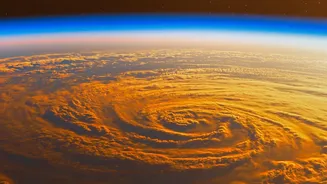
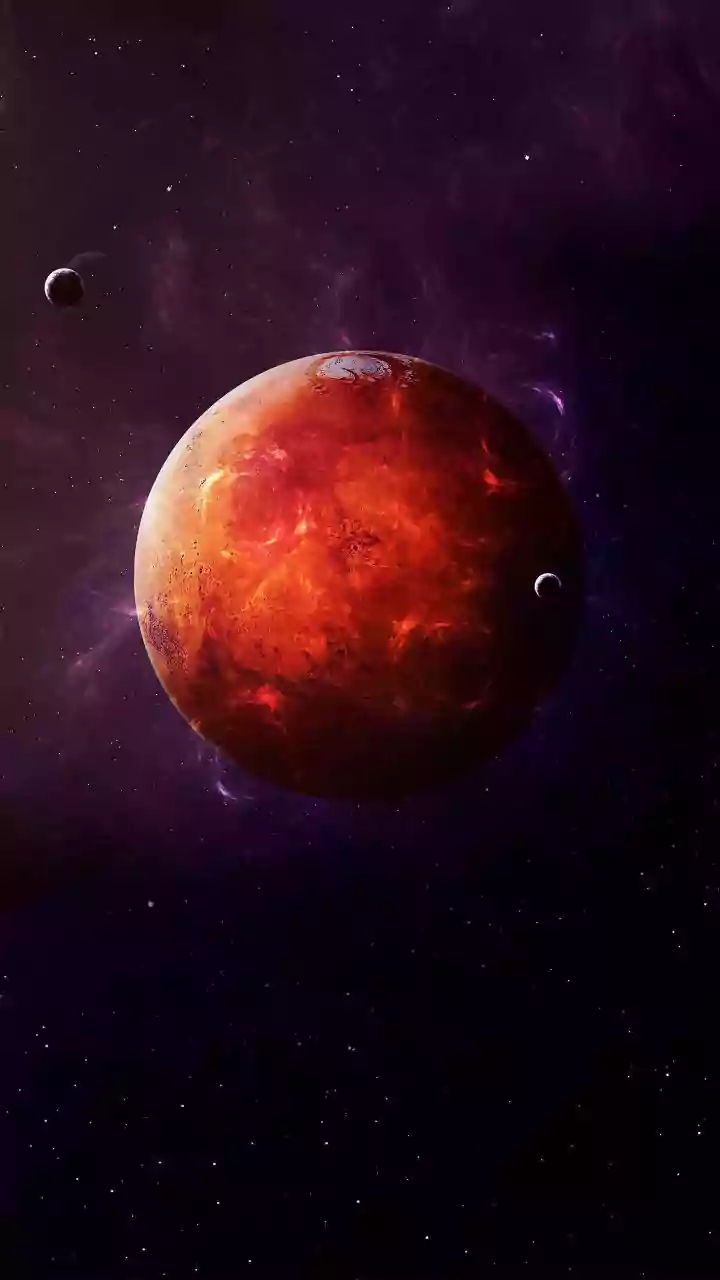
Venus is a planet of profound contradictions. It is similar to Earth in size, mass, and density, earning it the nickname "Earth's twin." Yet, it is one of the most inhospitable places in the solar system. Its atmosphere is over 90 times denser than Earth's and is composed almost entirely of carbon dioxide, creating a runaway greenhouse effect that pushes surface temperatures high enough to melt lead. Understanding how and why Venus evolved so differently from Earth is a key scientific driver. By studying its extreme climate, scientists hope to gain invaluable insights into planetary evolution, atmospheric dynamics, and the long-term effects of greenhouse gases, providing a cautionary tale for our own planet's climate future.
The Challenge of a Clouded World
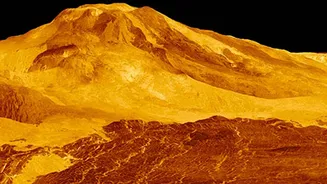
The single greatest obstacle to studying Venus has always been its impenetrable blanket of sulfuric acid clouds. This thick layer completely hides the planet's surface from conventional optical telescopes, leaving much of its geology and atmospheric structure a mystery. Piercing this veil requires specialised instruments that can see in wavelengths beyond the visible spectrum. This is where Shukrayaan's advanced payload comes in. The mission is specifically engineered to look beneath the clouds and systematically map the planet's surface and analyse its complex atmospheric layers for the first time in such detail.
A Toolkit for Unlocking Venus's Secrets
To achieve its goals, the Shukrayaan orbiter will carry a science payload of approximately 100 kilograms, consisting of a suite of sophisticated Indian and international instruments. The flagship instrument is a high-resolution Synthetic Aperture Radar (SAR), which is capable of peering through the dense clouds to map the surface with a resolution several times better than NASA's Magellan mission from the 1990s. This will help identify volcanic activity, lava flows, and other geological features. Other instruments will include spectrometers to analyse the chemical composition of the atmosphere, thermal cameras to monitor temperature variations, and sensors to study how the planet's ionosphere interacts with the solar wind. Collaborative payloads from countries like Sweden and Russia will further enhance the mission's scientific output.
Answering Science's Biggest Questions
The data gathered by Shukrayaan’s sensors will address several key scientific questions. The mission aims to investigate Venus's surface and subsurface to understand its geological history. By studying the dense atmosphere, scientists will explore its mysterious "super-rotation," where the atmosphere circles the planet far faster than the planet itself rotates. The mission will also investigate the composition and dynamics of the atmosphere, providing crucial data for climate models. Ultimately, Shukrayaan will help us understand the processes that led to Venus becoming a scorched, hellish world while Earth became a haven for life, offering profound insights into what makes a planet habitable.