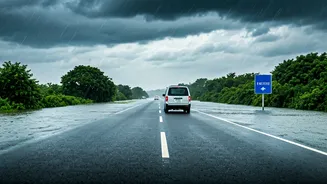










A Predictable Annual Disruption
Every year, as the southwest monsoon sweeps across Eastern India, a familiar drama unfolds. States like West Bengal, Odisha, Bihar, and Jharkhand brace for a period of intense weather that is vital for agriculture but perilous for travel. Heavy rainfall,
cyclonic storms, and associated flooding create a recurring challenge for the region's transport infrastructure. The India Meteorological Department (IMD) frequently issues red and orange alerts, warning of extremely heavy downpours that can lead to landslides, flash floods, and widespread disruption to normal life. This seasonal vulnerability turns travel into a game of chance, where routes that are open one day can become impassable the next, affecting everything from daily commutes to national supply chains.
When Roads Disappear Under Water
National highways and local roads are often the first casualties of extreme weather. Incessant rains can trigger landslides in hilly areas, such as northern West Bengal, closing arterial routes like National Highway 10, which connects Sikkim to the rest of the country. In the plains, flooding is the primary threat. Low-lying areas become inundated, submerging roads and damaging bridges, making them unusable for days or even weeks. During Cyclone Amphan in 2020, parts of West Bengal saw extreme rainfall that overwhelmed drainage systems and flooded streets. This not only halts passenger traffic but also paralyzes the movement of goods, leading to potential shortages and price hikes for essential commodities.
The Lifeline That Grinds to a Halt
The railway network is the lifeline of India, but it too is susceptible to the weather's fury. Heavy rainfall can lead to water flowing over tracks, forcing the cancellation, diversion, or short-termination of numerous trains. The Northeast Frontier Railway, which serves a vast and challenging terrain, often has to regulate services during the monsoon due to tracks being submerged or damaged by landslides. Even minor waterlogging can affect signalling systems and the stability of the track bed, leading to significant delays that have a cascading effect across the entire network. For long-distance travellers and freight operators, these disruptions mean costly delays and logistical nightmares.
Turbulence in the Skies
Air travel is not immune to the chaos. While airports are built to higher standards, severe weather events like thunderstorms and cyclones can bring operations to a standstill. At Kolkata's Netaji Subhas Chandra Bose International Airport, for instance, thunderstorms with gusty winds and heavy rain frequently lead to flight delays and diversions. During severe cyclones, flight operations may be suspended entirely for safety reasons. Cyclone Remal in 2024 forced the suspension of services for 21 hours, and even after resumption, several flights had to be diverted due to lingering adverse weather. Such disruptions strand thousands of passengers and highlight the vulnerability of even the most modern transport hubs.
Forging More Resilient Pathways
Recognizing the immense economic and social cost of these annual disruptions, there is a growing focus on building climate-resilient infrastructure. This involves a multi-pronged approach. For roads, it means constructing elevated corridors in flood-prone areas and strengthening embankments. For railways, it involves improving drainage systems around tracks and reinforcing bridges. Efforts are also being made to improve weather forecasting and develop early warning systems specifically for the transport sector. National initiatives like the Coalition for Disaster Resilient Infrastructure (CDRI), launched by the Indian government, aim to promote infrastructure systems that can withstand climate and disaster risks. In cities like Kolkata, flood forecasting systems are being adopted to better manage urban waterlogging.