




The Appeal of the Probiotic Promise
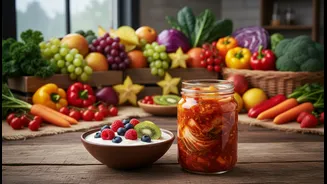
Probiotics are live microorganisms, often called 'good' bacteria, that are intended to provide health benefits when consumed. They are found in fermented foods like yogurt, kimchi, and sauerkraut. The appeal is understandable; in a world of quick fixes,
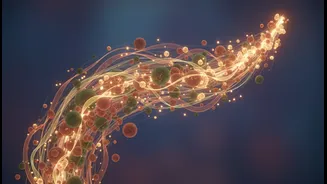
the idea that you can improve your complex digestive system by eating a specific food is highly attractive. These foods introduce beneficial bacteria into your gut, which can help with digestion and support the immune system. For some specific conditions, like managing antibiotic-associated diarrhea, probiotics have shown promise. However, the gut microbiome — the vast community of trillions of microorganisms living in your digestive tract — is an incredibly complex ecosystem. Thinking that one type of food or a single supplement can single-handedly manage this system is like trying to reforest an entire jungle by planting just one type of tree.
Your Gut: A Garden That Needs Tending
A healthier way to think about your gut is as a garden. Probiotics are like adding new plants or seeds to that garden. But for those seeds to grow and for the existing garden to flourish, it needs the right kind of food and soil. That's where prebiotics come in. Prebiotics are types of dietary fibre that your body cannot digest. They travel down to your large intestine, where they become the primary food source for your beneficial gut bacteria. This process, called fermentation, helps the good bacteria thrive and multiply. It also leads to the production of beneficial compounds called short-chain fatty acids (SCFAs), which reduce inflammation, nourish the cells lining your colon, and support overall health. Without a steady supply of prebiotics, the good bacteria in your gut can't do their job effectively, no matter how many probiotics you consume. If bacteria are deprived of fibre, they can even start to eat away at the gut lining, potentially increasing the risk of infection.
The True Powerhouse: Dietary Diversity
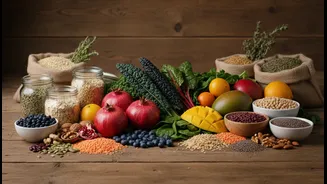
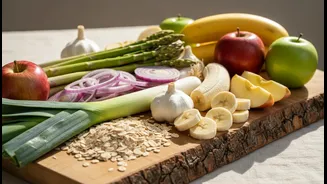
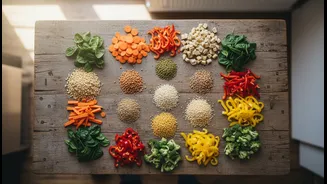
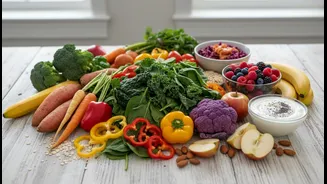
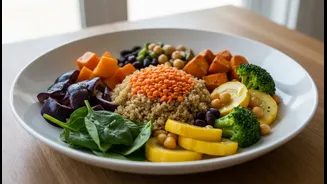
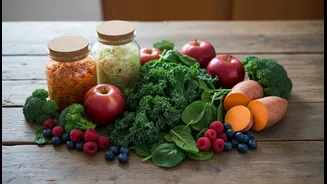
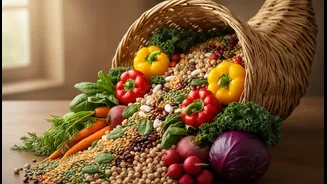
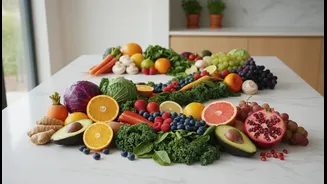
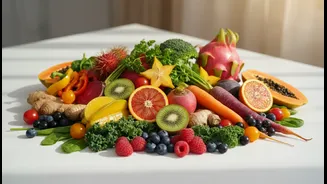
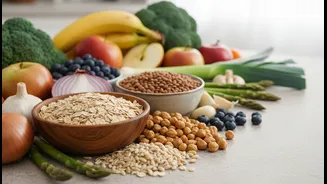
The most effective way to provide your gut with the prebiotics it needs is through a broad, plant-rich diet. Different types of plants contain different types of fibres, and each of these fibres feeds different families of beneficial bacteria. A diet rich in a wide variety of fruits, vegetables, whole grains, legumes, nuts, and seeds is associated with a more diverse and resilient gut microbiome. Research has consistently shown that people who consume a high variety of plant foods have a healthier gut composition compared to those with less varied diets. One study found that individuals eating over 30 different types of plants per week had significantly more diverse gut microbiomes than those eating 10 or fewer. This diversity is crucial for a healthy gut, which in turn is linked to better immune function, lower inflammation, and a reduced risk of chronic diseases like heart disease and type 2 diabetes.
So, What's the Role of Probiotic Foods?
This doesn't mean you should discard your favourite yogurt or kombucha. Probiotic foods can still be a valuable part of a healthy lifestyle. They introduce new, beneficial strains of bacteria that can offer specific benefits. The key is to see them as a complement to, not a substitute for, a diverse, fibre-rich diet. Think of it as adding a specialist to a thriving team. The foundation must be strong first. A recent study highlighted this by showing that consuming a blend of more than 30 plant foods led to significantly more positive changes in gut bacteria compared to taking a probiotic supplement. The plant-rich approach feeds and strengthens the existing bacteria, which appears to be a more effective strategy for improving gut health overall. The best approach is to focus on building a strong foundation with a wide array of plant foods, and then incorporate fermented foods as a healthy and flavourful addition.