



The Joy of One-Pot Cooking
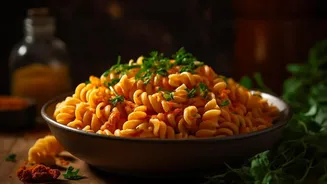
One-pot cooking is more than a time-saver; it’s a technique that builds deep, cohesive flavours. As ingredients cook together in a single vessel—be it a classic pressure cooker, a heavy-bottomed kadai, or a modern Instant Pot—their tastes meld and intensify.
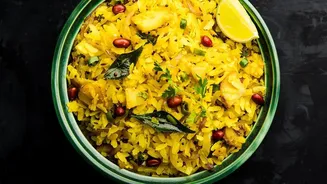
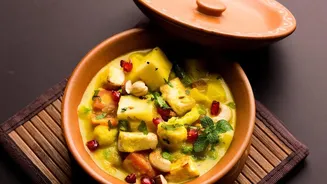
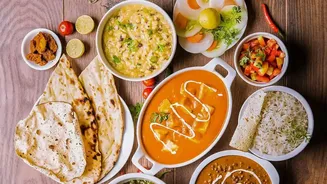
Starches from rice or lentils thicken the sauce, vegetables absorb the spices, and the entire dish becomes a harmonious whole. This method simplifies the cooking process, reduces the number of dishes to wash, and creates incredibly comforting meals like Khichdi, Tehri, or a hearty vegetable pulao, all of which are classic examples of one-pot wonders.
Embrace India's Seasonal Bounty
Eating with the seasons ensures you're using vegetables at their peak flavour and nutritional value. India's diverse climate offers a different platter of produce every few months. In winter (November to February), markets are filled with sweet carrots, green peas, cauliflower, spinach, and fenugreek (methi). Summer (March to June) brings a variety of gourds like bottle gourd (lauki), ridge gourd (turai), and bitter gourd (karela), along with hydrating cucumbers and pumpkin. The monsoon season (June to September) is perfect for fresh corn, brinjal, and leafy greens like amaranth. Basing your meal on these seasonal stars is the first step to a truly fresh and delicious dish.
A Journey Through Regional Masalas
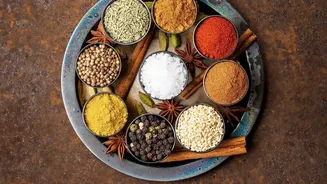
While garam masala is a familiar friend, exploring India's regional spice blends can transform your cooking. These masalas tell the story of a region's climate and culinary heritage. For a taste of Maharashtra, try Goda Masala, an aromatic blend with a subtle sweetness from roasted coconut and sesame seeds, perfect for lentil and vegetable dishes. From the East, Panch Phoron—a whole-spice blend of fenugreek, nigella, cumin, black mustard, and fennel seeds—adds a unique, pungent aroma when tempered in oil, ideal for potato and pumpkin preparations. For a robust, fiery flavour from the Konkan coast, Malvani Masala offers a complex heat that works beautifully in coconut-based gravies.
A Simple Blueprint for Success
Creating your own one-pot meal is easy when you follow a basic structure. Start by heating oil or ghee in your pot. Add your chosen whole spices, like the seeds from Panch Phoron, and let them sizzle to release their aroma. Next, sauté your aromatics—onions, ginger, and garlic—until they soften. Now, introduce your chosen ground masala (like Goda or Malvani) and toast it for a minute until fragrant. Add your chopped seasonal vegetables and stir to coat them in the spices. Finally, add your liquid (water, vegetable broth, or coconut milk) and a grain or lentil if you're using them. Bring to a boil, then reduce the heat, cover, and simmer until everything is cooked through. This layered approach builds flavour at every step.
Adding Grains, Proteins, and Finishers
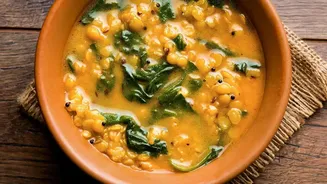
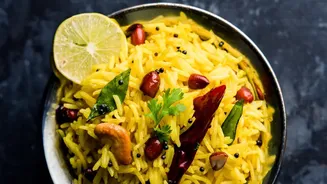
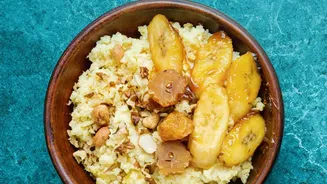
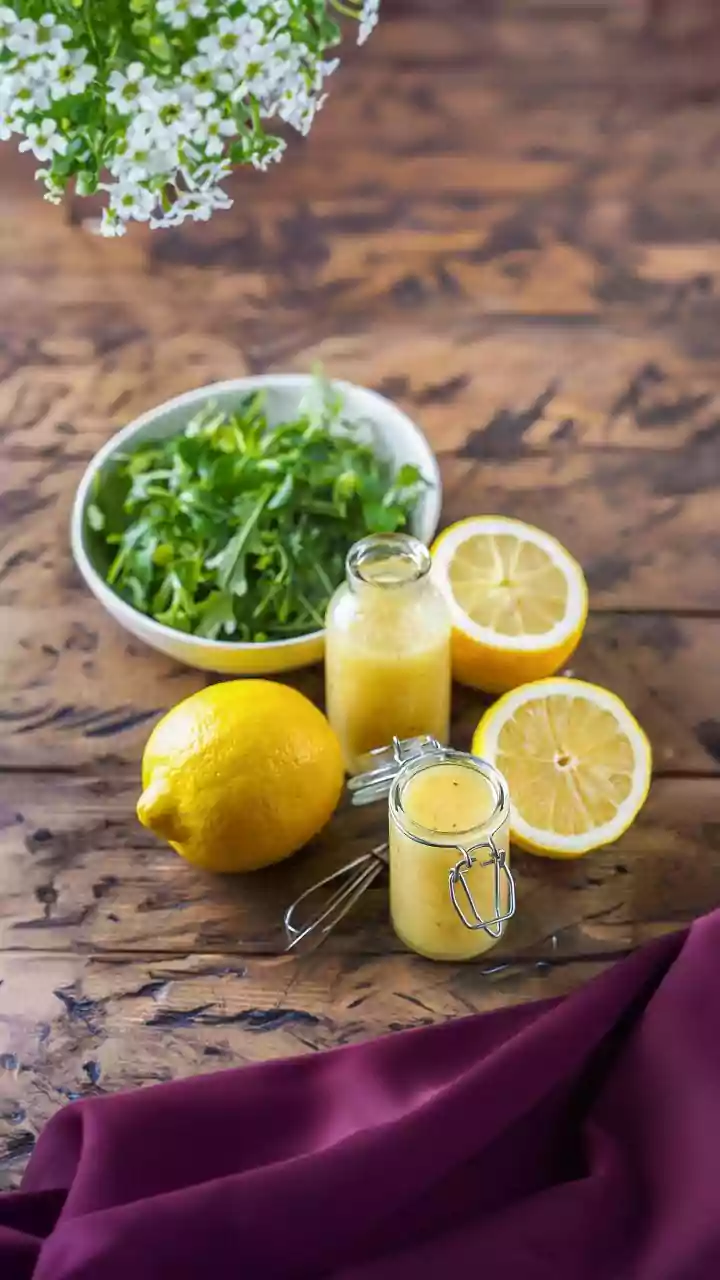
To make your one-pot dish a complete meal, incorporate grains and proteins. Rice is a classic choice, turning the dish into a pulao or biryani. Lentils (dals) like moong or masoor can cook directly with the vegetables to create a hearty khichdi. For extra protein, you can add chickpeas, paneer, or tofu in the last 15-20 minutes of cooking. Don't forget the finishing touches. A squeeze of fresh lemon or lime juice at the end brightens all the flavours. A scattering of fresh coriander adds a final layer of freshness, and for a touch of richness, a small dollop of ghee on top of the finished dish can make it truly sublime.