




Escape the Culture of 'Overtourism'
Every year, the story repeats itself: viral photos of bumper-to-bumper traffic snaking up to Shimla, Manali, and Nainital. These once-peaceful retreats now grapple with 'overtourism'—a phenomenon where the sheer volume of visitors strains local infrastructure,
degrades the environment, and diminishes the very experience travellers seek. Water shortages become common, waste management systems buckle under pressure, and the tranquil atmosphere is replaced by the constant buzz of an overcrowded city. The alternative lies in the sprawling, less-travelled expanse of the Western Ghats, where the journey is still about the destination, not the traffic jam.
Explore a UNESCO World Heritage Hotspot
While the Himalayas are mighty, the Western Ghats are older and recognized by UNESCO as one of the world's eight 'hottest hotspots' of biological diversity. This mountain range, stretching over 1,600 km along India's west coast, is a treasure trove of life. It contains over 30% of India's flora and fauna species, many of which are endemic, meaning they are found nowhere else on Earth. From the endangered Lion-tailed Macaque and Nilgiri Tahr to thousands of species of plants, insects, and amphibians, the Ghats offer an immersive nature experience that goes far beyond a pretty viewpoint. It is a living, breathing ecosystem of global significance.
Embrace the Magic of the Monsoons
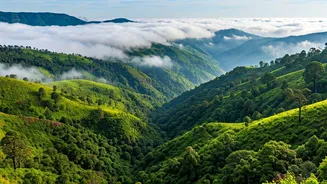
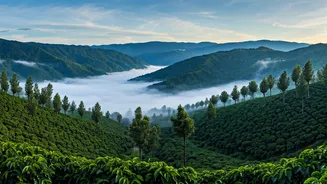
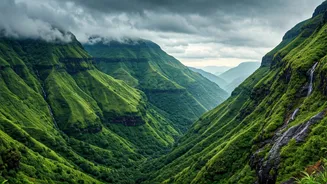
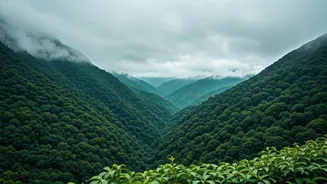
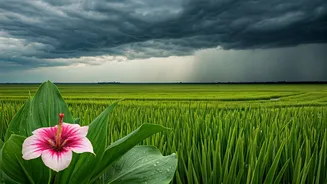
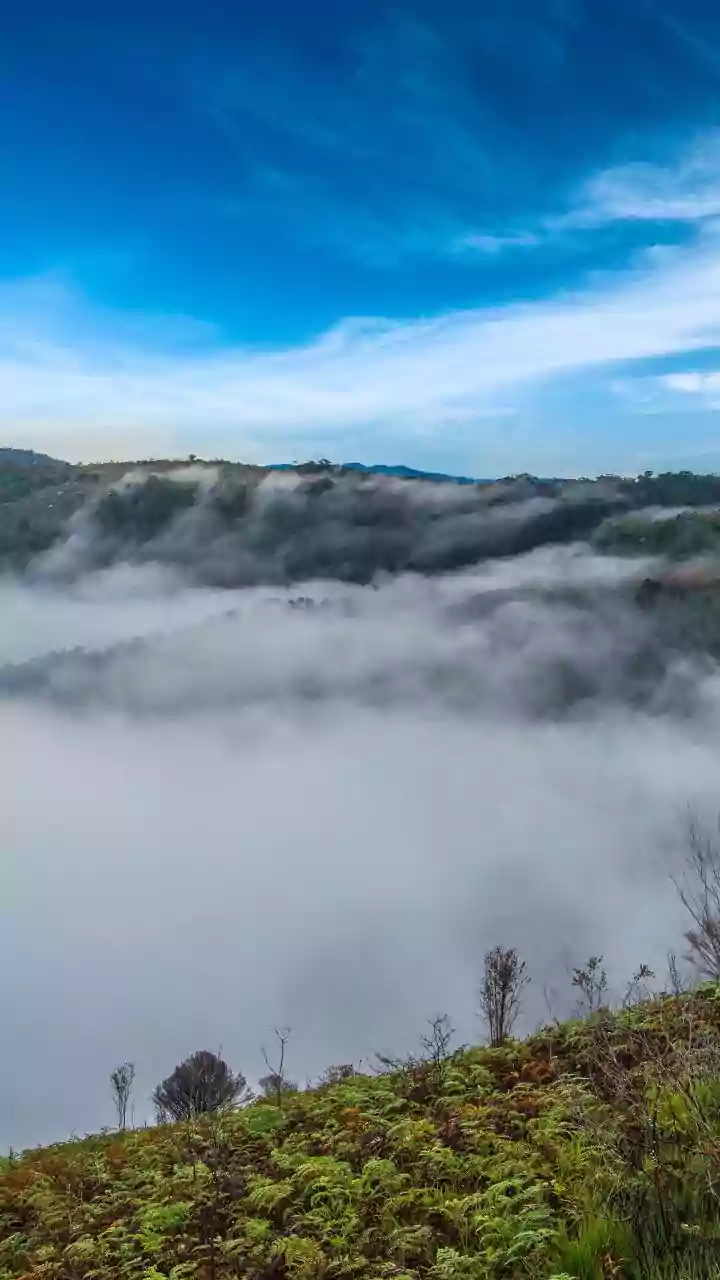
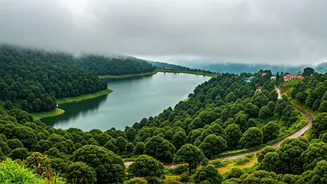
In most tourist circuits, rain is a reason to cancel plans. In the Western Ghats, it's the main event. From June to September, the monsoon transforms the region into a verdant paradise. Waterfalls like those in Agumbe—the 'Cherrapunji of the South'—come alive with thunderous power. The entire landscape is painted in vibrant shades of green, the air is thick with the scent of wet earth (petrichor), and misty hills create a dreamlike atmosphere. Instead of running from the rain, travellers here sign up for monsoon treks, chase waterfalls, and witness unique phenomena like firefly festivals, experiencing nature at its most dramatic and alive.
From Tea Plantations to Spice Gardens
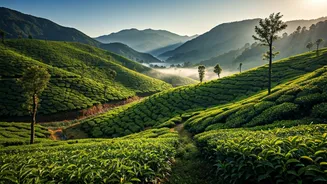
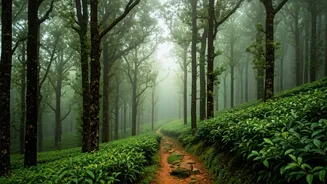
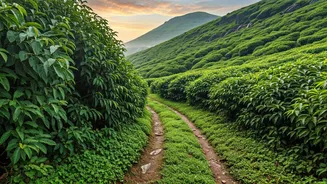
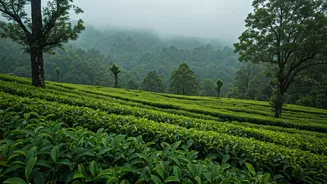
A trip to the Himalayas often revolves around a mall road and a few viewpoints. The Western Ghats, however, offer a staggering diversity of experiences. You can wander through the rolling tea estates of Munnar, which become intensely saturated with colour during the monsoon. You can explore the aromatic spice plantations of Thekkady or Coorg, learning about the origins of cardamom, pepper, and cinnamon. You can stay in eco-lodges deep within rainforests, go on wildlife safaris in places like Nagarahole or Periyar Tiger Reserve, or discover ancient petroglyphs in the Edakkal Caves of Wayanad. It’s a multi-sensory journey that engages you far more deeply.
A Hub for Conscious, Responsible Travel
As travellers become more conscious of their environmental footprint, the Western Ghats are emerging as a leader in responsible tourism. The region is home to a growing number of eco-friendly resorts and homestays that prioritize sustainability through practices like rainwater harvesting, solar power, and supporting local communities. Many trekking routes are now regulated by the Forest Department to prevent overcrowding and ecological damage, with caps on the number of daily visitors. This approach ensures that the natural beauty you come to see is preserved for the future, offering a travel experience that feels both good for the soul and gentle on the planet.