





The Morning Scramble of Uncertainty
For parents and office-goers across India's cities, a heavy downpour triggers a frantic morning ritual of checking news channels, scrolling through social media, and waiting for an official word that often comes too late. The dilemma is real: wake the
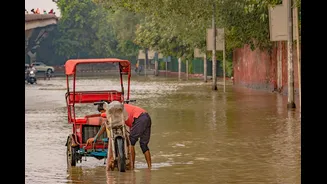
kids, pack their bags, and send them out into potentially hazardous conditions, or keep them home and risk a missed school day if the holiday is never declared? Commuters face a similar predicament, often starting their journey only to be met with waterlogged roads and paralysed public transport. This last-minute decision-making process, or the lack of one, turns a manageable weather event into a city-wide chaos engine. In many cases, student attendance drops sharply on rainy days purely due to this ambiguity, even before any official closure is announced.
Behind the Delayed Decisions
From an administrative perspective, the hesitation is understandable, if not ideal. District collectors and education officials are often cautious, wanting to avoid declaring a holiday for what might just be a passing shower. Official guidelines in some states instruct authorities to declare a holiday only in cases of severe flooding or when transport facilities are paralysed, not for 'mere rain'. These decisions often depend on real-time ground reports from various parts of a district, which takes time to compile. This reactive approach, however, prioritises post-event confirmation over proactive public service. While officials worry about unnecessarily disrupting the academic calendar, they often underestimate the disruption caused by indecision itself.
The Ripple Effects of Indecision
The consequences of this morning uncertainty ripple through the community. For working parents, it creates a childcare crisis. For daily wage earners, a day of missed work due to a failed commute means a direct loss of income. Studies have shown that heavy rainfall can increase travel time by as much as 140%, severely impacting productivity. Businesses also suffer, with employees either arriving late and stressed or not at all. The safety risk is paramount; people venturing out unnecessarily clog roads, making it harder for emergency services to operate and increasing the chances of accidents on treacherous streets. It's a systemic failure where the burden of uncertainty is placed squarely on the shoulders of the citizens.
The Case for a 6 AM Deadline
The solution is simple in principle: a clear, non-negotiable deadline for all rain-related closure announcements. By mandating that any decision to close schools or issue a work-from-home advisory must be made and communicated by a fixed time, such as 6 AM, authorities can restore predictability to the morning routine. This proactive model would use overnight rainfall data and early morning forecasts from the India Meteorological Department (IMD) to make an informed call. This isn't about declaring more holidays, but about making the decision—whatever it may be—early and definitively. A recent proposal in Dakshina Kannada to declare holidays on a more localised, taluk-wise basis shows a move toward more nuanced and less disruptive decision-making.
Putting the System in Place
Implementing such a deadline requires a robust communication strategy. Authorities must use every channel available—SMS alerts, official government websites, social media, and partnerships with local media—to broadcast the decision simultaneously. Creating pre-approved message templates can speed up the process, ensuring clarity and consistency. For private companies, having a clear inclement weather policy that outlines when remote work is activated is crucial for business continuity and employee safety. By making the decision process transparent and timely, authorities can build public trust and empower citizens to plan their day safely and efficiently, rather than leaving them to guess.