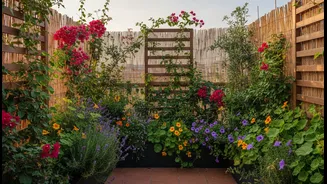




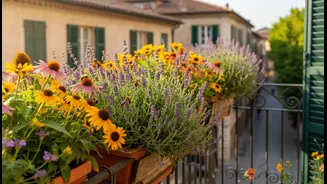


Why Your Balcony Matters
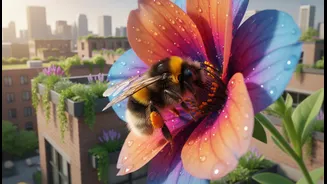
In growing cities across India, parks and green spaces are shrinking. This loss of habitat puts immense pressure on pollinators—the bees, butterflies, birds, and other insects responsible for helping most of the world's plants reproduce, including many
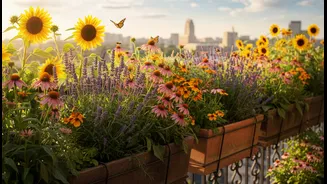
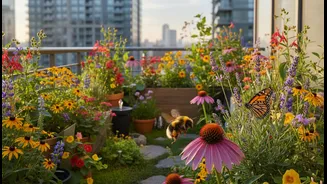
food crops. Your balcony, no matter its size, can act as a crucial 'roadside cafe' or stepping stone in a vast urban landscape. By offering flowers and water, you create a vital link in a network of mini-habitats, helping these essential creatures navigate the city, find nourishment, and survive.
Choose the Right Plants
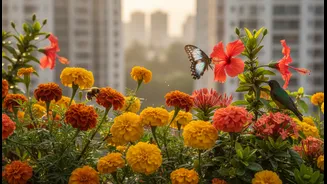
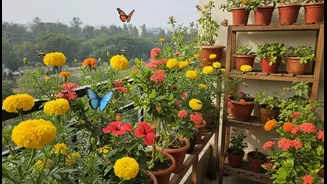
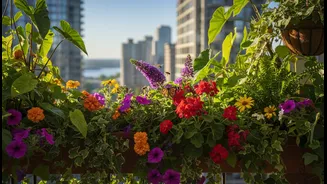
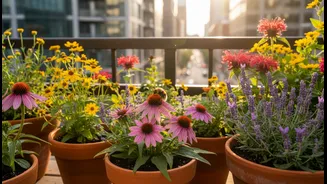
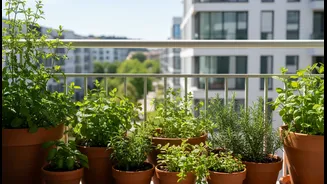
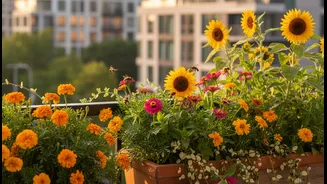
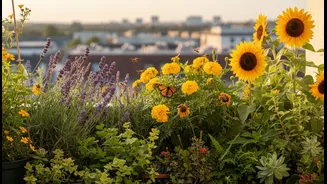
The foundation of any pollinator haven is a diverse selection of flowering plants. Focus on species that are easy to grow in pots and suited to the Indian climate. Marigolds (Genda) are a fantastic, low-maintenance choice, attracting bees and butterflies with their bright blooms. Hibiscus (Gudhal) is another favourite, offering large, nectar-rich flowers almost daily in warm climates. Don't overlook herbs; allowing Tulsi (Holy Basil) to flower provides a magnet for bees. Other excellent options include Cosmos, Zinnia, and Lavender, which offer varied shapes and colours to attract a wider range of pollinators. Aim for plants that bloom at different times to provide a year-round food source.
Provide Water and Shelter
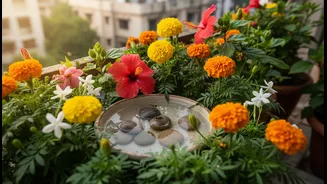
A feeding stop needs more than just food. Pollinators get thirsty, especially on hot city days. You can easily create a safe water source by filling a shallow dish or saucer with pebbles, marbles, or small stones and adding just enough water to sit below the tops of the stones. This gives bees and butterflies a safe place to land and drink without the risk of drowning. Shelter is also important. Grouping pots together can create protected microclimates, shielding insects from strong winds. Adding plants with dense foliage can also provide a safe place for them to rest.
Go Chemical-Free
One of the most critical steps is to avoid chemical pesticides and herbicides. These products are often toxic to pollinators, and even small amounts can harm or kill the very insects you're trying to attract. Instead, embrace natural pest control methods. A simple spray made from neem oil, mild liquid soap, and water is a powerful and safe alternative that disrupts pests without harming beneficial insects. A solution of garlic and chili can also deter pests like aphids. Companion planting, such as placing marigolds near other plants, can also help repel certain unwanted visitors naturally.
Simple Steps to Get Started
Ready to build your pollinator paradise? Start small with just three or four easy-to-grow plants like Marigold, Tulsi, and Periwinkle (Sadabahar). Ensure your chosen corner gets at least 4-6 hours of sunlight. Use good quality soil and pots with proper drainage to prevent waterlogging, which many plants dislike. Check the soil moisture regularly, especially during hot weather, and water when the top inch feels dry. Most importantly, observe and enjoy the process. Watching your balcony come alive with the buzz and flutter of visiting pollinators is one of the greatest rewards of urban gardening.