



Find Your Sunny Spot
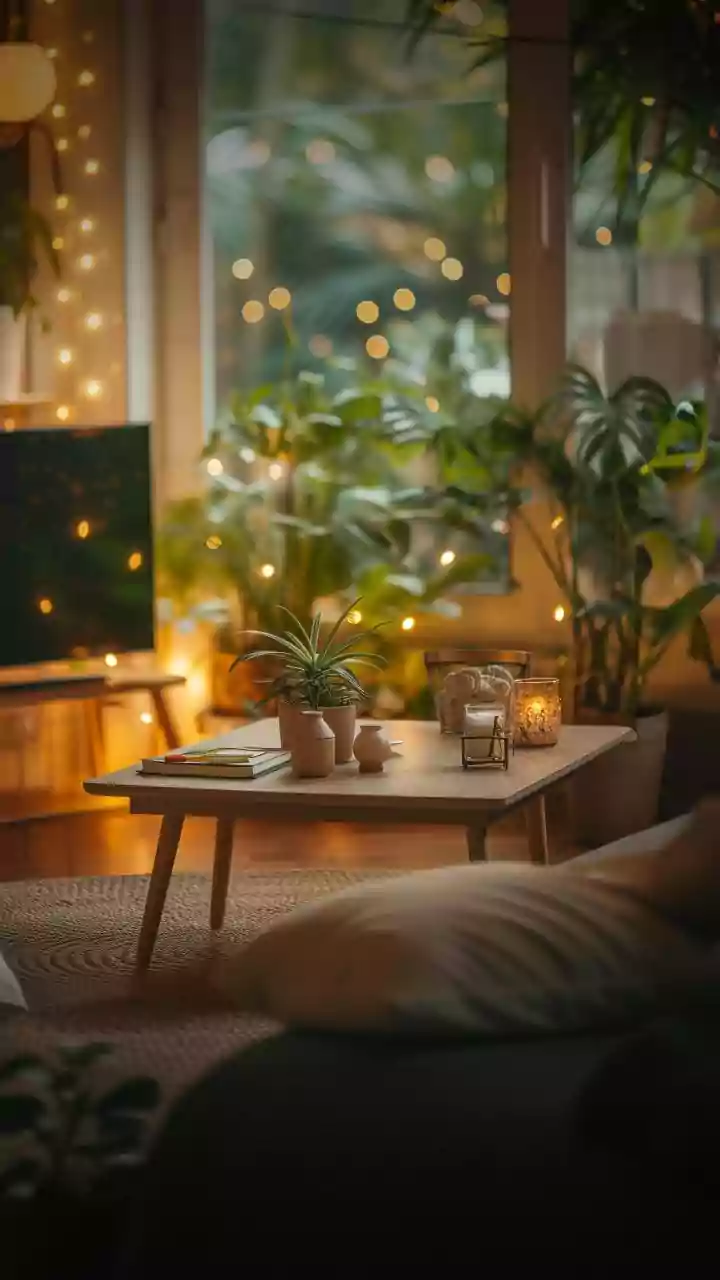
Before you buy a single seed, play detective in your own home. The most crucial ingredient for your kitchen garden is sunlight. Most vegetables and herbs need at least 4-6 hours of direct sunlight per day. Your best bet is likely a south-facing or west-facing
balcony or window. Observe the light patterns for a day. Where does the sun hit and for how long? No balcony? A sunny windowsill can be perfect for a small collection of herbs. Don't worry if you only have partial sun; many leafy greens like spinach and mint can thrive with less.
Choose Your First Plants
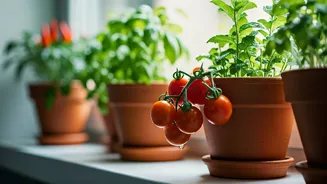
The key to a successful start is choosing plants that are forgiving and frequently used in Indian cooking. Don't try to grow everything at once. Start with 3-4 of these easy winners: * **Herbs:** Mint (pudina) and coriander (dhaniya) are essentials. Mint grows aggressively and is incredibly satisfying. Basil (tulsi) is another great option. * **Vegetables:** Cherry tomatoes are much easier to grow in pots than their larger cousins. Green chillies are prolific and love our climate. Spinach (palak) grows quickly from seed and you can harvest leaves as needed. * **Greens:** Fenugreek (methi) can be grown in shallow trays for a quick harvest of microgreens.
Gather Your Simple Gear
You don't need expensive, fancy equipment. Start with the basics. You will need containers, which can be anything from traditional terracotta pots (gamlas) to recycled paint buckets or plastic containers (just make sure to drill drainage holes in the bottom). You'll also need a good potting mix. Don't just use soil from the ground, as it can be too dense. A good beginner mix is one part red soil, one part compost (like vermicompost), and one part cocopeat (nariyal ka bura). This mix retains moisture while allowing for good drainage. A small watering can or even a repurposed plastic bottle with holes in the cap will do the job for watering.
The Art of Planting
You can start from seeds or buy small saplings from a local nursery. For beginners, saplings offer a higher chance of success as the delicate germination stage is already done. When planting, fill your pot with the potting mix, leaving about an inch at the top. Make a small hole in the centre, gently place the sapling or a few seeds, and cover with soil. Don't pack the soil down too tightly. Water gently right after planting until you see water coming out of the drainage holes. This helps the roots settle in. If planting seeds, a good rule of thumb is to plant them at a depth of about twice their size.
Daily Care and Love
Your new green friends need a little daily attention. The most common mistake beginners make is overwatering. Check the soil before you water. Poke your finger about an inch into the soil; if it feels dry, it's time to water. If it feels moist, wait another day. Ensure your plants continue to get enough sunlight. As for pests, you can often manage them without harsh chemicals. A simple spray made from neem oil mixed with water and a drop of liquid soap can deter many common garden pests. Keep an eye on your plants, remove any yellowing leaves, and enjoy the process of watching them grow.