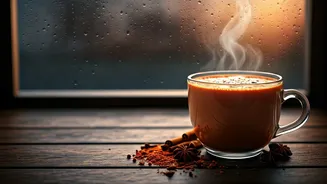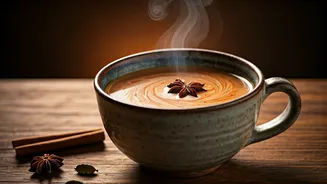





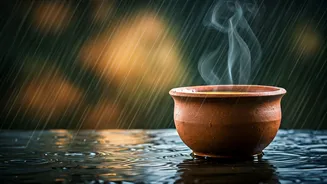


The Daily Ritual
For millions across India, the day doesn’t truly begin until the first sip of chai. It’s a sensory alarm clock: the rhythmic clinking of a steel pot, the grating of fresh ginger, the gentle crushing of cardamom pods, and finally, the fragrant steam that
fills the kitchen. This isn't just about caffeine; it's a moment of pause before the world rushes in. Whether it’s brewed in a modern city apartment or over a humble stove in a village, the process is a familiar comfort. This daily ritual is a thread that connects generations, a simple act of care passed down through families. It’s the cup your mother makes when you’re sick, the one you share with your father while reading the morning paper, and the one you learn to make for yourself as a rite of passage.
From Colonial Import to National Icon
Tea’s journey in India is a fascinating story of reclamation. While tea plants are native to parts of India, it was the British who established large-scale commercial cultivation in the 19th century, primarily to break the Chinese monopoly. Initially, tea was a colonial luxury, promoted as a sophisticated English beverage. But Indians did what they do best: they took it and made it entirely their own. They added generous amounts of milk and sugar to make it more calorie-dense and affordable. Most importantly, they infused it with a symphony of spices—cardamom, cloves, cinnamon, ginger, black pepper—transforming it into the robust, fragrant masala chai we know and love today. This act of culinary adaptation was a quiet revolution, turning a symbol of empire into a potent expression of Indian identity.
The Great Social Equaliser
Step outside, and you’ll find that chai is the great unifier. It flows through the veins of the nation, from the air-conditioned boardrooms of Mumbai to the dusty roadside 'tapris' of Uttar Pradesh. Business deals are sealed over 'cutting chai', friendships are forged during chai breaks, and political debates unfold in its warming presence. The ubiquitous chaiwallah is a cornerstone of community life, a purveyor not just of tea but of conversation and connection. In a country of immense diversity and social stratification, the simple act of sharing a cup of chai creates a moment of common ground. It dissolves barriers, encourages dialogue, and reminds us of our shared humanity, one small glass at a time.
An Anatomy of Flavour
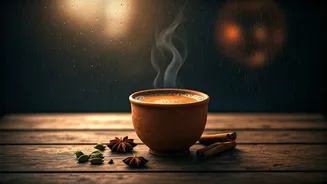
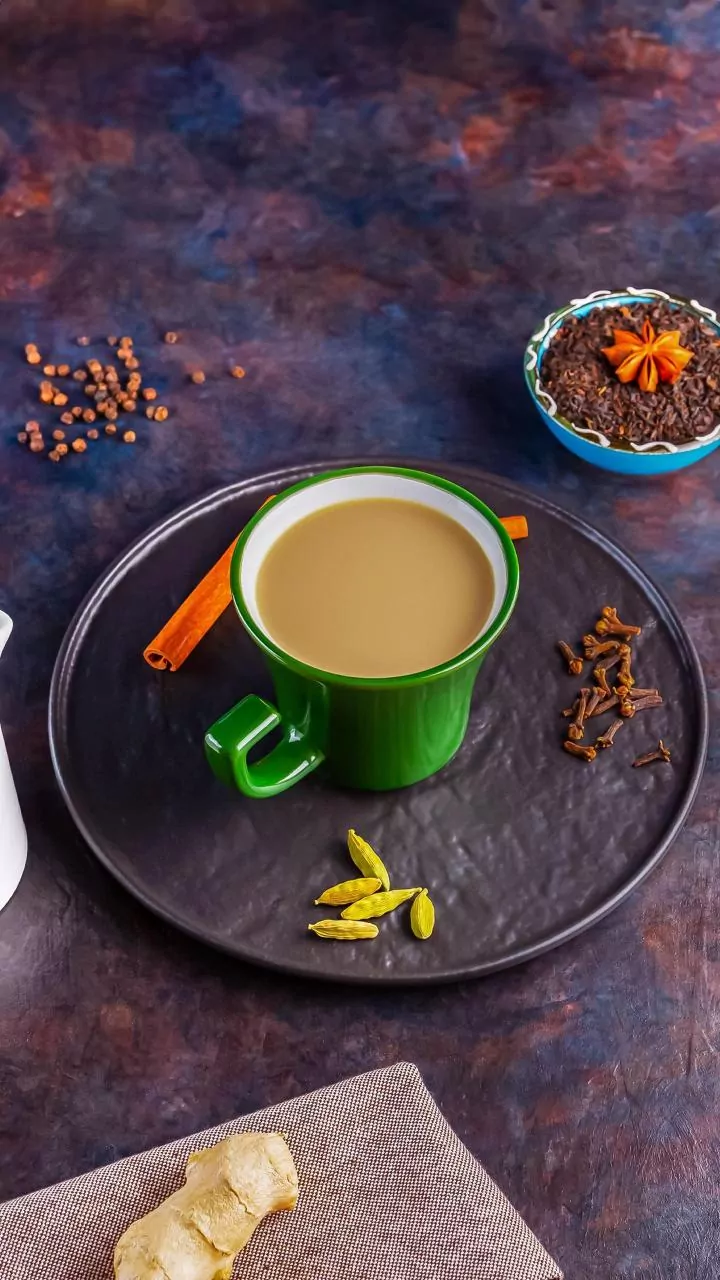
What makes a perfect cup of masala chai? The beauty lies in its infinite customisability. There is no single, sacrosanct recipe. It all begins with a strong base, typically a robust CTC (Crush, Tear, Curl) black tea that can stand up to milk and spices. Then comes the 'masala'. Ginger is almost non-negotiable for its pungent kick, and cardamom for its sweet, floral aroma. From there, the canvas is open. Cloves add a warm, woody depth, cinnamon a sweet spice, and black peppercorns a surprising heat. Some families add fennel seeds for a touch of sweetness or holy basil (tulsi) for its wellness properties. The proportions, the brewing time, the ratio of milk to water—every household, every chaiwallah has their signature blend, a secret formula perfected over years of practice.
A Constant in a Changing World
In a rapidly modernising India, where global coffee chains are a common sight and new trends emerge daily, masala chai’s position remains unshaken. It has proven remarkably adaptable. We now see artisanal chai blends, chai-flavoured ice creams, and even chai-spiced cocktails. Yet, the classic, humble cup remains the undisputed champion. It’s a taste of home, a source of comfort, and a link to our roots. It’s the familiar friend waiting for you at the end of a long journey, the first thing offered to a guest, and the silent companion during late-night study sessions. It doesn’t need to be trendy because it is timeless.