





What Exactly is a Pulse Tariff?
Think of an import tariff, or duty, as an entry tax on goods coming from other countries. For agricultural products like pulses, India levies these taxes for a crucial reason: to protect local farmers. When imported pulses are taxed, their price increases,
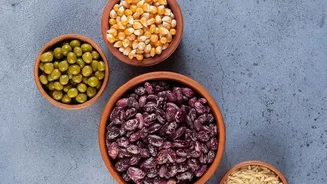
making them less competitive against dals and legumes grown by Indian farmers. This helps ensure that local producers get a fair price for their crops. Currently, India has a mixed system. Imports of tur (pigeon peas) and urad (black gram) are duty-free until March 2027, while masur (red lentils) and chana (chickpeas) have a 10% duty, and yellow peas face a 30% tariff.
Why is the Government Considering a Cut Now?
The primary driver behind this discussion is the effort to control food inflation. An uneven monsoon season has raised concerns about domestic pulse production, with some key growing regions receiving significantly less rain than average. Lower domestic output can lead to a supply crunch, pushing prices up for consumers. With the festive season often bringing a spike in demand for pulses like chana, the government is looking at ways to increase supply and keep prices stable for households across the country. By reducing import tariffs, the government aims to make it cheaper to bring in pulses from other countries, thereby boosting the overall supply in the market.
How Could This Affect Your Grocery Bill?
In theory, a reduction in import duties should lead to lower prices for you, the consumer. When importers pay less tax to bring pulses into the country, that cost saving can be passed down through the supply chain to wholesalers and then to your local kirana store. The move would specifically target pulses like lentils and yellow peas. If the tariffs on these are cut, increased competition from cheaper imports could help cool down the retail prices of these essential kitchen staples. However, this is not a guarantee of immediate or steep price drops, as other factors like transportation costs, local demand, and inventory levels also play a significant role in final pricing.
The Other Side of the Coin: The Farmer's Perspective
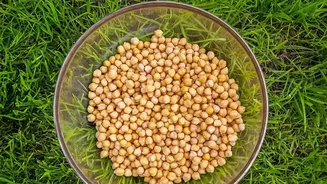
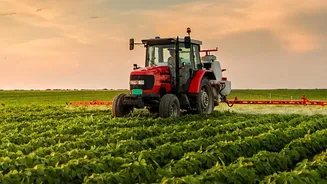
While lower prices are good news for consumers, the decision presents a difficult balancing act for policymakers. A flood of cheaper imported pulses can hurt Indian farmers. If the market is filled with low-cost imports, local farmers may be forced to sell their produce at lower prices, impacting their income. This is why the government's decision is complex and carefully considered. In fact, reports suggest that chickpeas (chana) might be excluded from any tariff cut to encourage farmers who are about to begin planting this important rabi crop. This shows the government is trying to manage consumer prices without discouraging domestic production.
Is This a Done Deal?
As of early October 2026, this is still a consideration, not a final decision. Government sources have indicated that the proposal is being weighed, but no official announcement has been made. India is the world's largest producer, consumer, and importer of pulses, relying on countries like Canada, Australia, and Russia to meet its domestic demand. Any change in its tariff structure is a significant policy move. The government must weigh the immediate need to control inflation against the long-term goal of achieving self-sufficiency in pulse production and ensuring the welfare of its vast farming community. Officials will need to analyse crop cycles, stock levels, and farmer returns before making a final call.