








A Drier-Than-Normal July Forecast
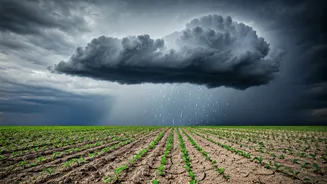
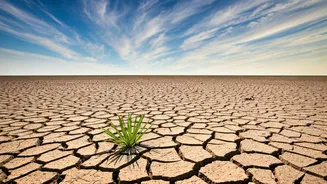
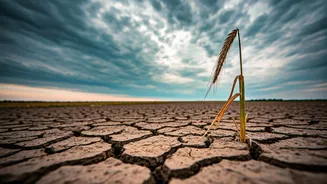
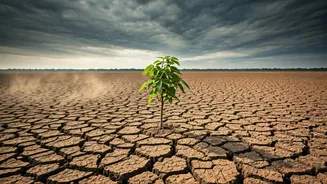
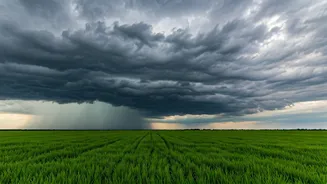
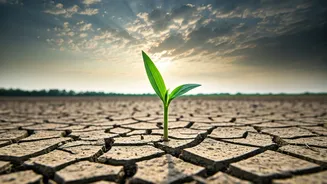
The India Meteorological Department (IMD) has predicted that rainfall in July 2026 will likely be below normal, at less than 94% of the Long Period Average (LPA). This forecast follows one of the driest Junes in over a decade, which saw a rainfall deficit
of nearly 40%. The prediction is attributed to the strengthening El Niño conditions over the Pacific Ocean, a climate pattern often linked to weaker monsoon rainfall in India. While some parts of northwest, northeast, and east-central India may see normal to above-normal rain, most of the country is expected to experience a shortfall.
Why July Rainfall is Crucial
July is the most important month of the four-month southwest monsoon season, typically accounting for about a third of the total seasonal rainfall. It is the peak period for the sowing of Kharif (summer) crops, which form the backbone of India's agricultural output. Adequate and well-distributed rainfall during this month is essential for soil moisture, germination, and the healthy growth of major crops like rice, pulses, cotton, and soybeans. A significant deficit in July can delay planting, stunt crop growth, and ultimately determine the success or failure of the entire agricultural season.
The Direct Impact on Agriculture
With nearly half of India's workforce dependent on agriculture and a large portion of its farmland being rain-fed, a weak July monsoon has immediate consequences. The rainfall deficit in June has already slowed down Kharif sowing, with year-on-year planting down significantly. A continued dry spell in July could force farmers to shift to less water-intensive crops or face lower yields. This not only impacts farmer incomes but also increases cultivation costs, as they may need to rely more on irrigation, where available. Crops like rice are particularly vulnerable to insufficient rainfall during this critical growth phase.
From Farm Fields to Your Kitchen
The connection between monsoon performance and household costs is direct and tangible, primarily through food inflation. A poor harvest of key Kharif crops tightens supply, leading to a rise in the prices of essentials like grains, pulses, and vegetables. Vegetable prices are especially sensitive to short-term weather shocks due to their perishable nature. The Reserve Bank of India (RBI) has noted that rainfall variations can significantly push up vegetable inflation. Therefore, a below-normal July could mean higher grocery bills for consumers in the months to come, squeezing household budgets.
The Broader Economic Ripple Effect
The impact of a weak monsoon extends far beyond the farm gate. Lower agricultural output and suppressed rural incomes can dampen demand for a wide range of goods, from tractors and two-wheelers to fast-moving consumer goods (FMCG). This can slow down industrial growth and overall economic activity. Furthermore, rising food inflation complicates the RBI's efforts to manage interest rates and control overall inflation. A weak monsoon can also affect hydroelectric power generation, which relies on reservoir levels replenished by rain. While structural improvements like increased irrigation have made the economy more resilient than in the past, a significant rainfall deficit remains a major headwind for economic growth.