



Day 1: The Temple City of Bhubaneswar
The adventure begins in Bhubaneswar, Odisha’s capital, aptly nicknamed the ‘Temple City of India’. This is where Kalinga architecture finds its most eloquent expression. Start with the Lingaraj Temple, an 11th-century marvel dedicated to Lord Shiva. Its
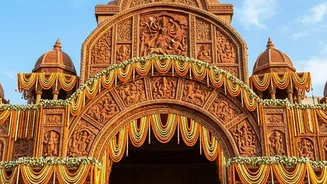
180-foot-tall main tower dominates the old town's skyline, though entry to the inner sanctum is reserved for Hindus, a viewing platform offers a magnificent perspective for all visitors. Next, visit the Mukteshwar Temple, a 10th-century gem celebrated for its intricate stone carvings and an elegant arched gateway that has become a symbol of Odishan architecture. Its detailed reliefs depicting stories from the Panchatantra make it a masterpiece of sculptural art. Conclude the day at the Rajarani Temple, often called the 'love temple' for its sensual carvings of nymphs and couples, set amidst serene gardens.
Day 2: The Living Crafts of Pipili and Raghurajpur
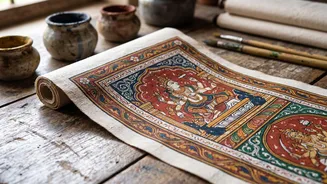
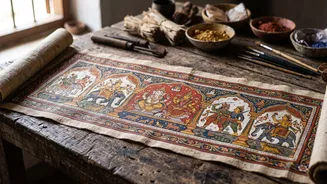
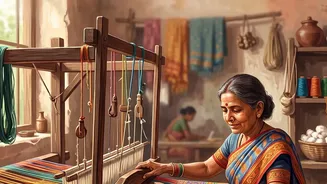
Leaving the stone temples behind, the journey turns towards Odisha’s vibrant, living arts. The first stop is the town of Pipili, famous for its appliqué work, or 'Chandua'. Stroll through streets lined with workshops where artisans stitch colourful fabrics into intricate designs of gods, animals, and flowers. These crafts are not just decorative; they are integral to rituals at the Jagannath Temple, especially during the Rath Yatra. Further on lies Raghurajpur, India's first designated heritage crafts village. Here, every home is a studio and every resident an artist. The village is the heartland of Pattachitra, a tradition of painting mythological tales on treated cloth scrolls. Visitors can watch artists create these detailed works, along with palm leaf engravings, wooden toys, and stone carvings, offering a unique opportunity to buy art directly from its creator.
Day 3: The Spiritual Epicentre of Puri
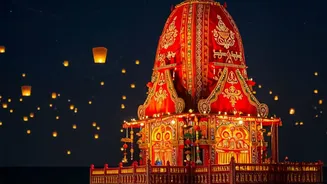
The path leads south to Puri, one of India’s four sacred Char Dham pilgrimage sites and the earthly abode of Lord Jagannath. The city's energy revolves around the colossal Jagannath Temple, a 12th-century complex that draws millions of devotees. While entry is restricted to Hindus, the temple's spiritual aura permeates the entire town. Witnessing the daily flag-changing ceremony, where a priest scales the 45-storey-high temple spire without support, is a breathtaking experience. Spend the afternoon on Puri's golden beach, watching the waves of the Bay of Bengal, before exploring the bustling markets that offer everything from local sweets to religious paraphernalia. This city offers a profound glimpse into the unwavering faith that has shaped the region for centuries.
Day 4: Konark's Chariot and Chandrabhaga's Shore
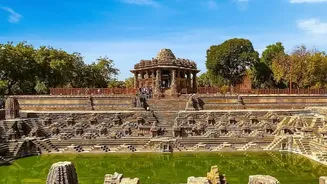
Today is a deep dive into the celestial and the terrestrial. Begin at the Konark Sun Temple, a UNESCO World Heritage site. Built in the 13th century by King Narasimhadeva I, the temple is designed as a colossal stone chariot for the Sun God, Surya, complete with 24 intricately carved wheels and pulled by seven horses. Though parts of the main tower have collapsed, the remaining structure is a testament to architectural genius. Just three kilometres away lies Chandrabhaga Beach, a place of quiet power and myth. It's not just a beach but a sacred shoreline. Legend says Samba, son of Lord Krishna, was cured of leprosy here after worshipping the sun. Another tale speaks of Chandrabhaga, a sage's daughter, who sacrificed herself in the sea to protect her chastity from the Sun God himself. It's this blend of myth and natural beauty that makes a sunrise here so profound. The beach was also India's first to receive the prestigious Blue Flag certification for its cleanliness and sustainable management.
Day 5: A Deeper Reading of Chandrabhaga
This final day is for reflection, for a 'closer reading' of Chandrabhaga. The beach’s name itself refers to a mythical river that once flowed here, and its sacredness is tied to that memory. For centuries, pilgrims performed ritual baths here before proceeding to the Sun Temple, a practice that connects the sea to the shrine. Unlike the busier beaches, Chandrabhaga remains relatively tranquil, its clean, golden sands fringed with casuarina groves. It’s a place to walk, to absorb the atmosphere, and to understand how a landscape can hold spiritual significance far beyond its physical beauty. It is the perfect, contemplative end to a journey that has woven through stone, faith, and nature. The beach is a living cultural landscape, a quiet testament to the enduring connection between the people of Odisha, their faith, and the eternal sea.