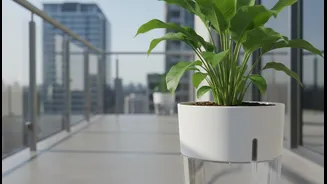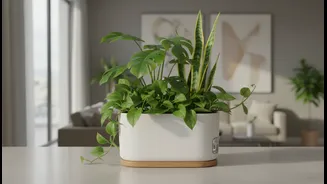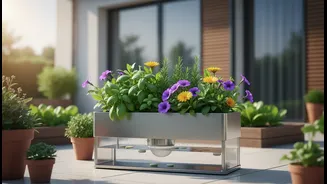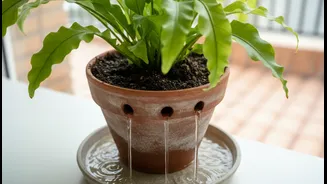




What Are Sub-Irrigated Planters?
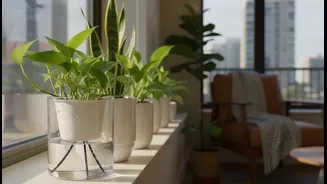
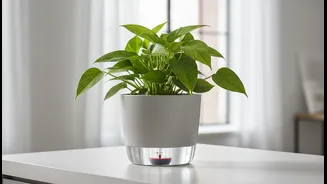
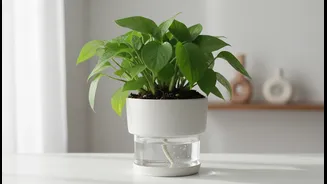
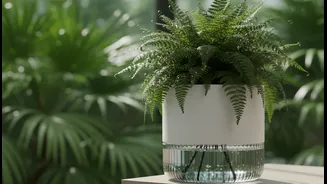
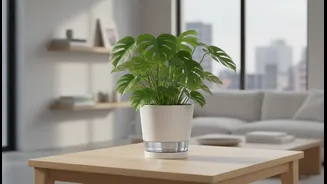
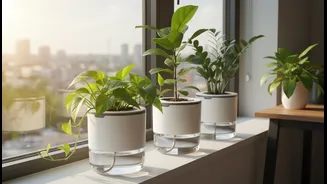
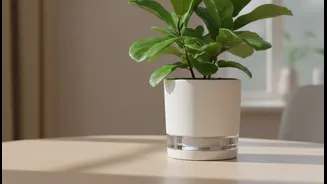
A sub-irrigated planter, often called a self-watering pot, is a container designed with a water reservoir at the bottom. Instead of watering from the top and letting gravity do the work, you fill this reservoir through a separate pipe or opening. The
main section where the plant and soil sit is separated from the water below, often by a perforated barrier. This simple design is the key to its effectiveness, creating a clever system where the plant itself controls its water intake.
The Science of Bottom-Up Hydration
The magic behind these planters is a natural process called capillary action. Think of how a paper towel absorbs a spill. In a SIP, the soil acts like that paper towel. A 'wicking' medium, which can be soil packed into a channel or a fabric strip, connects the water in the reservoir to the main soil body. The soil then draws water upwards as it begins to dry out, delivering moisture directly to the plant's roots. This means the roots take only what they need, when they need it, ensuring the soil stays consistently moist but never waterlogged. An overflow drain prevents the reservoir from being overfilled, which is crucial to avoid root rot.
Key Benefits for Indian Gardens
In a climate like India's, with its intense summer sun and heavy monsoon rains, managing water for potted plants can be challenging. SIPs offer several advantages. Firstly, they are remarkably water-efficient. Because the water is in a closed reservoir, there is significantly less loss to evaporation from the soil surface. This is a huge benefit during hot, dry spells. Secondly, they provide consistency. Plants are not subjected to the stress cycle of drying out and then being flooded. This leads to healthier growth and often, better yields for vegetable plants. For busy people or those who travel, SIPs are a lifesaver, as they reduce watering frequency from daily to perhaps once a week or even less, depending on the plant and planter size.
What Grows Best in These Planters?
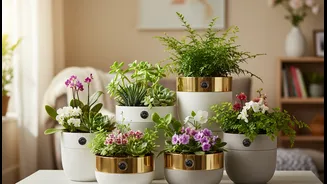
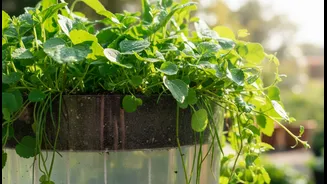
Sub-irrigated planters are perfect for annual plants that are thirsty and need a lot of moisture to thrive. Think of fruiting vegetables like tomatoes, peppers, cucumbers, and zucchini. Leafy greens such as lettuce, spinach, and kale also do exceptionally well, as consistent moisture prevents them from becoming bitter. Many popular indoor houseplants that prefer steady moisture, like peace lilies and spider plants, also flourish in these containers. However, they are less suitable for plants that need their soil to dry out completely between waterings, such as succulents, cacti, or drought-tolerant herbs like rosemary.
Getting Started: DIY vs. Buying
You can find a wide variety of commercially produced sub-irrigated planters online and in garden centres, ranging from simple designs to more advanced models with water level indicators. However, building your own is a popular and cost-effective project. A basic DIY version can be made from two nested buckets or a single large, watertight container like a storage tote. The process involves creating a reservoir space at the bottom (using something like a smaller overturned pot or perforated pipes), adding a fill tube, and drilling an overflow hole. The key is to use a lightweight, well-aerated potting mix with ingredients like peat moss or coco coir, which have excellent wicking properties. Avoid using heavy garden soil, which can become compacted and won't wick water properly.