








More Than Just Muscle
At its core, strength-based fitness, or resistance training, involves making your muscles work against a force. This can include using free weights, machines, resistance bands, or even your own body weight. But the current movement is about much more
than just building bigger biceps. It represents a cultural pivot from aesthetics to capability. The goal is no longer just to be thinner, but to be stronger, more functional, and more resilient in daily life. This approach focuses on performance-based goals—like lifting a heavier weight or mastering a new movement—which fosters a sense of accomplishment that is separate from the number on a scale. This shift towards empowerment is a key reason why more people, especially women, are embracing strength training.
The Science of a Stronger Body
While cardio is excellent for heart health, a routine that includes strength training offers a unique and powerful set of benefits. Building lean muscle mass naturally boosts your metabolism, meaning your body burns more calories even when at rest. This makes it a highly effective tool for managing weight and improving body composition over the long term. Furthermore, stressing your bones through resistance exercise is one of the best ways to increase bone density and reduce the risk of osteoporosis, a critical benefit as we age. Research also shows that regular strength work can help manage chronic conditions by improving blood sugar levels, reducing blood pressure, and managing symptoms of arthritis.
A Workout for Your Mind
The benefits of lifting weights extend far beyond the physical. Engaging in strength training has been shown to have a profound impact on mental well-being. Studies indicate that it can significantly reduce symptoms of depression and anxiety, with some research suggesting it can be as effective as medication for mild to moderate cases. The release of endorphins provides an immediate mood boost. Beyond the brain chemistry, the practice itself builds mental resilience. The focus required during a lift provides a form of mindfulness, offering a break from daily stressors. Achieving new personal records and feeling physically stronger directly translates to increased self-esteem and confidence that carries over into all aspects of life.
Changing the Face of the Gym
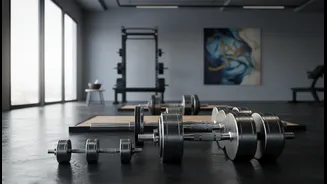
The rise of strength-based fitness is also making gyms more inclusive spaces. For years, the weights section was often seen as an intimidating, male-dominated area. Today, that's changing rapidly. Driven by a new generation of fitness enthusiasts and a shift in messaging from 'getting skinny' to 'getting strong,' women are now claiming their space at the squat rack in record numbers. This trend is encouraging a more supportive and community-oriented atmosphere, where progress is celebrated collectively. Fitness facilities are responding by designing more open, versatile strength zones that cater to group training and functional movements, moving away from endless rows of isolated machines.
How to Get Started
The idea of starting strength training can feel daunting, but it doesn't have to be. The key is to begin with the basics and progress gradually. Bodyweight exercises like squats, push-ups, and planks are a fantastic, accessible starting point. As you build confidence, you can introduce resistance bands or light dumbbells. According to the Australian physical activity guidelines, aiming for muscle-strengthening activities at least two days a week is a great goal for adults. Many experts recommend starting with one set of 8-12 repetitions of an exercise, using a weight that feels challenging by the final reps. To ensure proper form and prevent injury, consider consulting with a certified personal trainer to help you design a safe and effective program.