



Decoding IMD's Colour-Coded Alerts
The India Meteorological Department (IMD) uses a simple colour-coded system to help citizens quickly understand the severity of expected weather. Think of it as a traffic light for the weather. A 'Green' alert means all is well and no advisory is issued.
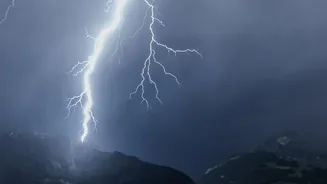
A 'Yellow' alert is a signal to 'be aware'; it indicates that weather could change and affect your day, so it's wise to stay updated. An 'Orange' alert means 'be prepared'. This is a warning for extremely bad weather that has the potential to disrupt travel, including road and rail closures, and even cause power cuts. The most serious is a 'Red' alert, which means 'take action'. It is issued for extremely severe weather conditions, like torrential rain or a severe cyclone, that pose a significant risk to life and property. During a red alert, you should avoid all non-essential travel.
Watch vs. Warning: What’s the Difference?
Beyond the colours, you'll often hear the terms 'watch' and 'warning'. A 'watch' means that conditions are favourable for hazardous weather to develop, but it isn't a certainty. It’s a heads-up to stay vigilant and have a plan ready. A 'warning', on the other hand, is more urgent. It means that hazardous weather is either already occurring or is imminent. If a warning is issued for your area, you should take immediate action and seek shelter as advised by local authorities. Essentially, a watch asks you to be prepared, while a warning demands that you act now.
Finding Reliable Weather Information
In the age of social media, misinformation can spread as fast as a storm. For accurate updates, rely on official sources. The IMD's 'MAUSAM' app is the government's official tool for weather forecasts, radar images, and proactive warnings. The 'UMANG' app also integrates IMD services, providing everything from cyclone bulletins to nowcasts (short-range forecasts). You can also check the IMD's official website (mausam.imd.gov.in) and its social media handles. Avoid relying on unverified messages or forwards, which can often cause unnecessary panic.
Tips for Driving in Bad Weather
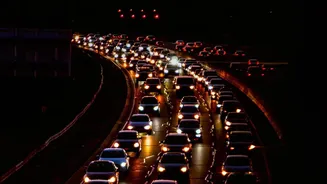
If an alert is active but you still need to drive, your safety depends on adjusting your habits. First, slow down. Wet roads increase braking distance, so reducing your speed and increasing the gap between you and the car in front is critical. Always use your low-beam headlights, not high beams, as the light from high beams reflects off raindrops and worsens visibility. One of the biggest dangers in Indian cities is waterlogging. Never attempt to drive through water that is deeper than the bottom of your car's bumper. If your car stalls in water, do not try to restart the engine, as this can cause severe damage. It's safer to abandon the vehicle if water levels are rising and call for assistance later.
Navigating Public Transport Disruptions
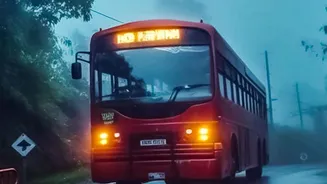
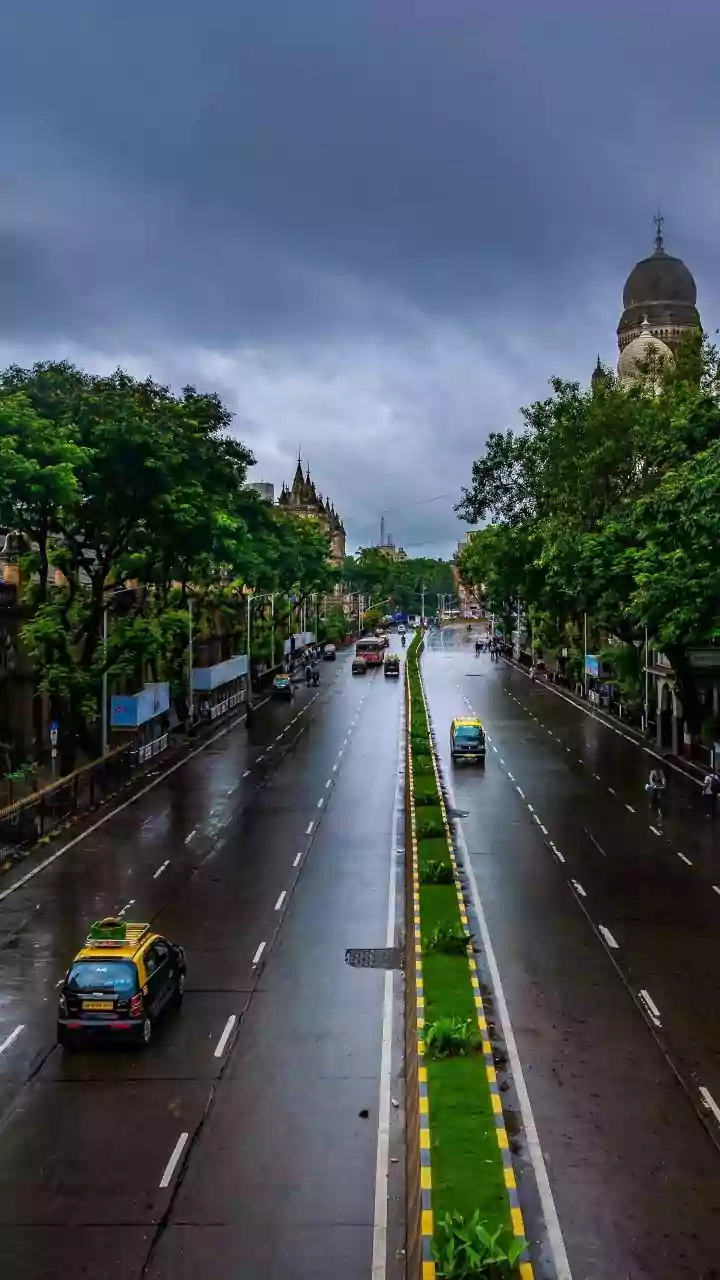
Severe weather, especially heavy monsoon rain, frequently disrupts public transport. Waterlogging can bring bus services to a halt, while submerged tracks can stop local and long-distance trains. Before heading out, check for real-time updates from your local transport authorities. Many cities have apps or social media accounts that provide information on delays and route diversions. During heavy rain, elevated metro systems are often the most reliable option, as they are less affected by street-level flooding. If possible, build extra time into your commute or consider flexible work options if a severe weather alert has been issued. Planning ahead can prevent you from being stranded.
Beyond the Monsoon: Heatwaves and Cold
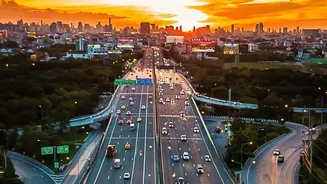
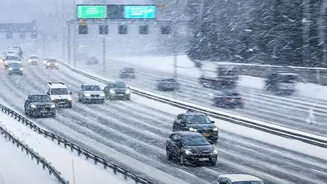
While monsoons cause the most visible disruption, other weather events also impact travel. Extreme heatwaves can make waiting for buses or walking to a station uncomfortable and even dangerous. Public transport can become overcrowded as more people avoid walking or using two-wheelers. Similarly, dense fog during cold waves drastically reduces visibility for drivers and can lead to delays in train and flight schedules. The IMD issues alerts for these conditions as well. For heatwaves, try to travel during cooler parts of the day. In foggy conditions, drivers should use low beams and fog lamps, and public transport users should anticipate significant delays.