



As winter arrives, a common question in many Indian households is whether to continue eating curd. This dietary staple, loved for its cooling properties in summer, is often viewed with suspicion in colder months. But should you really avoid it?
A Nutritional Powerhouse
Before
we dive into the winter debate, it's important to recognise why curd, or dahi, is celebrated in the first place. It's a fantastic source of high-quality protein, which is essential for muscle repair and overall bodily functions. It is also packed with calcium, a mineral crucial for maintaining strong bones and teeth. A single 100-gram serving can provide a significant portion of your daily calcium needs. Beyond protein and calcium, curd is rich in other vital nutrients like Vitamin B12 and phosphorus. Perhaps its most significant benefit comes from being a probiotic food, containing live bacteria that are incredibly beneficial for your gut health and digestion.
The Winter Myth: Does Curd Cause Colds?
The most common reason people avoid curd in winter is the belief that it causes colds, coughs, and sore throats. However, modern science clarifies that colds are caused by viruses, not by any specific food. There is no scientific evidence to prove that eating curd leads to respiratory infections. For some individuals, especially those prone to allergies or asthma, consuming cold dairy products might create a sensation of thicker mucus, but this is an individual reaction and not the curd causing an illness. In fact, the probiotics in curd can actually boost your immune system. A healthy gut, supported by probiotics, is your body's first line of defence, which is especially important during the flu season.
The Ayurvedic Perspective
Traditional Ayurvedic wisdom offers a more nuanced view. Ayurveda classifies curd as 'Ushna' or heating in nature, which suggests it could actually be beneficial in winter to maintain body warmth and support a strong digestive fire ('Agni'). However, it also notes that curd is heavy to digest and can increase 'Kapha dosha', which is associated with mucus production. This is why Ayurveda advises against consuming curd at night, when the digestive system is slower and Kapha is naturally higher. So, while modern science sees no issue, Ayurveda suggests that the timing and manner of consumption are key, especially for those with respiratory sensitivities.
How to Enjoy Curd Safely in Winter
You don't need to give up your favourite bowl of dahi entirely. By following a few simple guidelines, you can continue to reap its nutritional benefits without any worry. The most important rule is to avoid consuming it straight from the refrigerator. Let it come to room temperature first. Eating cold curd can be jarring to the system in winter. The best time to have curd during winter is during the day, preferably with your lunch, when your digestion is at its peak. Avoid it in the evening or at night. To further balance its properties, you can add warming spices like roasted cumin powder, black pepper, or a pinch of ginger. These not only add flavour but also aid digestion and counteract any potential mucus-forming effects.
Creative Ways to Include Curd
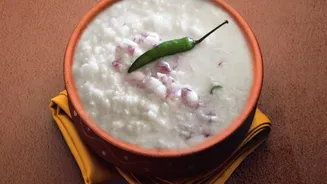
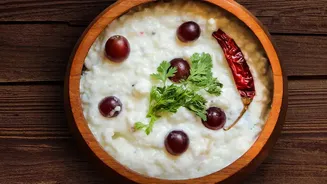
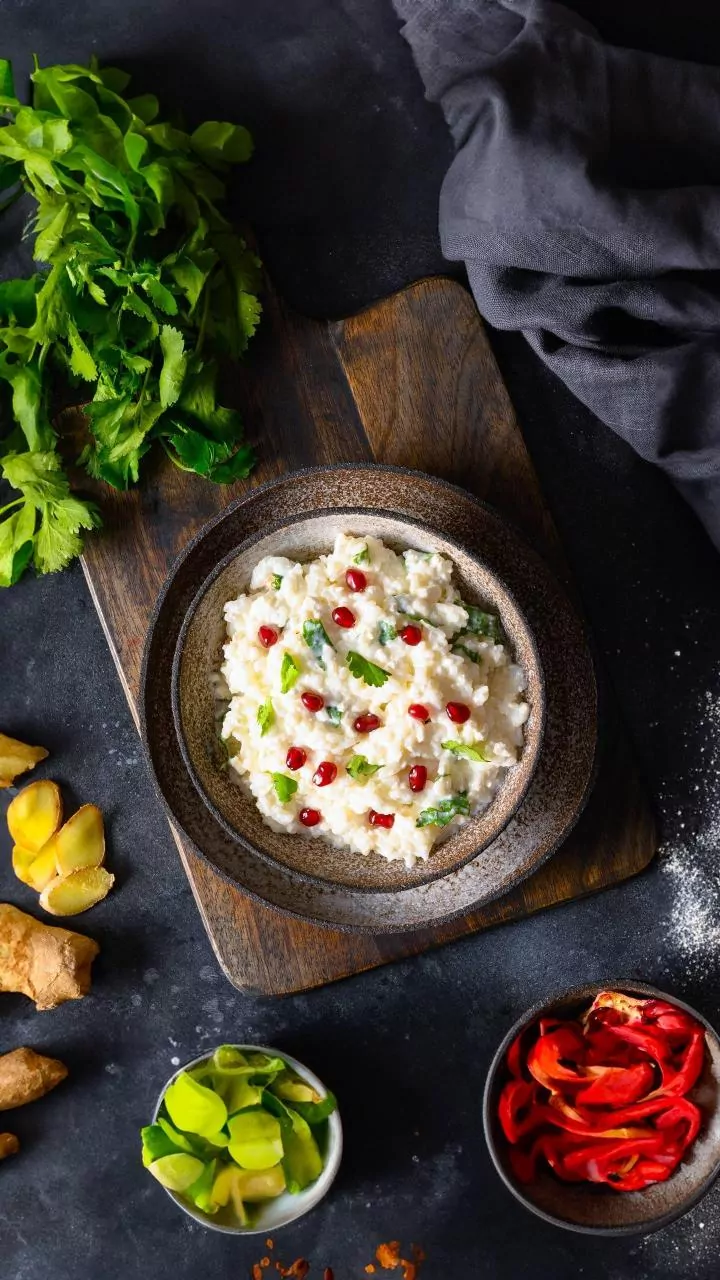
Instead of having it plain, you can incorporate curd into warm dishes. A classic 'kadhi', made with chickpea flour and curd, is a perfect soupy and nourishing winter meal. You can also add a dollop of curd to hot soups for extra creaminess and a probiotic boost. Preparing a 'raita' with seasonal vegetables like grated carrots or beetroot and seasoning it with warming spices is another excellent option. Even warm curd rice, tempered with mustard seeds and curry leaves, can be a comforting and healthy meal on a cold day. These methods allow you to enjoy the goodness of curd in a form that is more suitable for the season.