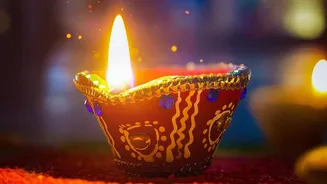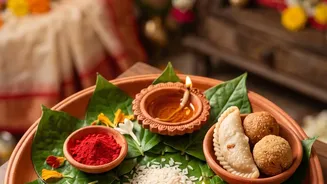





As the festive season of Diwali begins, markets glitter with a special kind of fervor. The first day, Dhanteras, is marked by a cherished tradition: buying new gold. But why has this custom become so deeply ingrained in Indian culture?
The Meaning Behind the Day
Dhanteras, also
known as 'Dhanatrayodashi', marks the beginning of the five-day Diwali festival. The name itself offers a clue to its significance; 'Dhan' translates to wealth, and 'Teras' refers to the thirteenth lunar day of the Krishna Paksha, or the dark fortnight, in the Hindu month of Kartik. According to some calendars, Dhanteras falls on November 6th in 2026. On this day, families traditionally worship Goddess Lakshmi, the deity of wealth, and Lord Kubera, the treasurer of the gods, to welcome prosperity.
The Legend of Health and Immortality
One of the most prominent origin stories of Dhanteras is tied to Lord Dhanvantari, the physician of the gods and an incarnation of Lord Vishnu. According to ancient scriptures like the Puranas, during the 'Samudra Manthan' (the great churning of the cosmic ocean by the gods and demons), Lord Dhanvantari emerged. He carried a 'kalash' or pot containing 'amrita', the divine nectar of immortality. Because he appeared on this day, Dhanteras is also celebrated as Dhanvantari Jayanti, a day that honours not just material wealth but also the invaluable treasure of good health.
A Tale of Defying Death
The specific tradition of buying gold is often linked to another fascinating legend concerning the 16-year-old son of a ruler named King Hima. An astrological prediction foretold that the young prince would die from a snakebite on the fourth day of his marriage. To save him, his clever wife devised a plan. She gathered all her gold ornaments and a heap of silver coins, placing them at the entrance of their chamber. She then lit countless lamps and spent the night singing songs and telling stories to keep her husband from sleeping. When Yama, the god of death, arrived in the guise of a serpent, he was so dazzled and blinded by the brilliance of the lamps and the glittering metal that he couldn't enter. He sat on the heap of gold all night, captivated by the wife's songs, and left peacefully at dawn, sparing the prince's life. This story established the tradition of buying gold as a symbolic act to ward off evil, protect loved ones, and ensure longevity.
Why Gold Specifically?
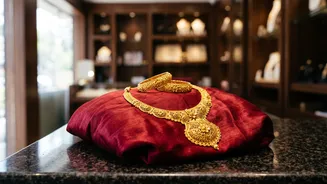
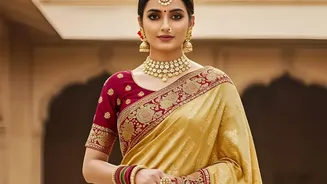
Gold holds a unique position in Indian culture, representing more than just financial value. It is considered a symbol of purity, as it does not tarnish, and is seen as an embodiment of Goddess Lakshmi herself. Purchasing gold on Dhanteras is believed to be a direct invitation for the goddess of wealth to enter one's home and bestow her blessings for the year ahead. Beyond gold, buying silver and even new steel utensils is also considered auspicious, as any new 'dhan' brought into the home on this day is seen as a harbinger of good fortune and abundance.
Dhanteras in the Modern Age
While the tradition of buying physical gold jewellery and coins remains immensely popular, the custom has evolved to align with modern financial practices. Today, many people honour the spirit of Dhanteras by investing in different forms of any precious metal. Options like digital gold, which allows for purchases in small denominations online, have become widespread and can be accessed through various payment apps. For those looking at it purely as an investment, Gold Exchange-$Traded Funds (ETFs) and Sovereign Gold Bonds (SGBs) offer a way to invest in gold without any concerns regarding physical storage and making charges. These modern alternatives allow for age old traditions to thrive while blending cultural faith with sound financial planning.