

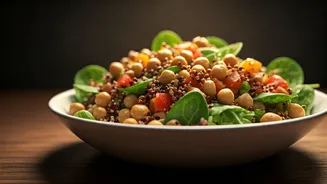


The Powerhouse of Sprouting
Sprouting is the natural process of germination, where seeds and legumes are soaked and then rinsed until they develop a tiny shoot. This simple act transforms the humble green moong dal (mung bean) into a superfood. The process of sprouting dramatically
increases the nutritional value of the bean. It boosts the content of vitamins, particularly Vitamin C, which isn't present in the dry dal. [13, 17] Furthermore, sprouting activates enzymes that begin to break down complex starches and proteins, making the sprouts easier to digest and the nutrients more bioavailable, meaning your body can absorb them more efficiently. [14, 16] This enhanced digestibility is one of the key reasons why sprouted moong is often recommended for those with sensitive stomachs.
A Plant-Protein Champion
While the headline calls it the 'ultimate' plant protein, it's more accurately described as a formidable champion. A 100-gram serving of raw sprouted moong contains around 3 to 3.4 grams of protein. [11, 20] This might seem lower than other sources, but the advantage lies in its bioavailability and low-calorie package—just 30 calories per 100g. [13, 20] While soybean sprouts (12-14g of protein) or chana sprouts (8-9g) pack a bigger protein punch by weight, moong sprouts are lighter and easier on the digestive system. [21] Sprouted moong is not considered a 'complete protein' on its own, as it is lower in one essential amino acid, methionine. [11] However, when paired with grains, nuts, or seeds in a salad, it helps form a complete amino acid profile, making it an excellent component of a balanced vegetarian or vegan diet. [11, 19]
Beyond Protein: A Host of Benefits
The advantages of sprouted moong salad extend far beyond its protein content. It's a fantastic source of dietary fibre, which aids in digestion, promotes a feeling of fullness, and helps in weight management. [14, 17] These sprouts are also packed with antioxidants and have anti-inflammatory properties. [12] The rich nutrient profile includes iron for red blood cell production, potassium for maintaining healthy blood pressure, and folate, which is crucial for cellular growth and development. [12, 14, 16] Thanks to its high fibre and low glycemic index, it also helps in stabilizing blood sugar levels, making it a great choice for those managing their sugar intake. [14, 16]
How to Sprout Green Moong at Home
Making your own sprouts is simple, economical, and ensures they are fresh and hygienic. [10] Start by rinsing 1/2 cup of whole green moong beans thoroughly. Place them in a large bowl and cover with plenty of water, letting them soak for 8-12 hours or overnight. [1, 6] After soaking, drain the water completely and rinse the beans again. [10] You can then place the soaked beans in a jar covered with a mesh lid or cheesecloth, and tilt it in a bowl to allow excess water to drain. [1, 7] Alternatively, place them in a colander set over a bowl. [1] Keep the setup in a dark corner of your kitchen. [1] You must rinse and drain the beans thoroughly twice a day, morning and evening. [1] Within 1 to 3 days, you'll see small tails emerge, indicating they are ready to eat. [1]
Building Your Perfect Lunch Salad
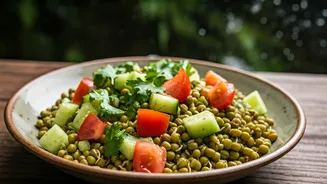
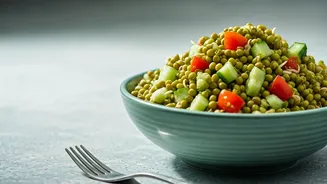
Once you have your fresh sprouts, creating a delicious salad takes only minutes. For a classic Indian-style preparation, you can lightly steam or parboil the sprouts for 5-6 minutes to soften them slightly, though they can also be eaten raw for maximum crunch. [2, 4] In a large bowl, combine about 1.5 to 2 cups of sprouted moong with finely chopped onion, tomato, and cucumber. [2, 5] For extra flavour and texture, add shredded carrot, roasted peanuts, and fresh coriander leaves. [2, 4] The dressing is simple but effective: a sprinkle of chaat masala, a pinch of salt and pepper, and a generous squeeze of fresh lemon or lime juice. [2, 4] You can also get creative by adding boiled potato, sweet corn, grated beetroot, or even pieces of raw mango for a tangy twist. [5, 8]