




A New Wave of Heat and Flavour
For years, the Indian café menu has been a predictable landscape of pastas, sandwiches, and familiar tikkas. But a culinary shift is underway. Diners are increasingly seeking authentic, regional flavours that tell a story, and chefs are responding by
looking towards the country’s diverse culinary traditions. The latest ingredients to capture the urban imagination hail from Northeast India. We're not just talking about a little extra spice; we're talking about the world-famous Bhut Jolokia, or ghost pepper, and the complex, umami-rich world of fermented condiments like Axone and Khorisa. These ingredients are moving from traditional homes and niche eateries into mainstream cafes in cities like Bengaluru, Pune, and Delhi, appearing in everything from fiery paneer tikkas to flavour-packed steaks.
The Ghost Pepper's Allure
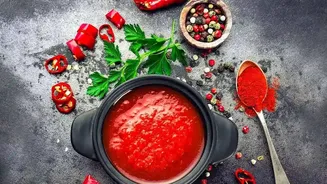
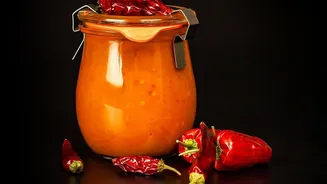
The Bhut Jolokia is a legend in the world of chillies. Hailing from states like Nagaland and Assam, it was once certified as the world's hottest pepper, clocking in at over one million Scoville Heat Units—more than 400 times hotter than Tabasco sauce. But its appeal isn't just about raw, searing heat. The ghost pepper has a unique and complex flavour profile, with distinctly fruity and smoky notes that linger long after the initial fire subsides. In its homeland, it's a respected ingredient used to flavour curries, make pickles, and add depth to meat dishes. Urban cafes are now harnessing this complexity, using it to create standout dishes that offer both a challenge and a reward for adventurous eaters, moving it beyond a novelty item into a signature flavouring.
The Funk and Ferment Revolution
Alongside the fiery Bhut Jolokia, a host of fermented products from the Northeast are introducing a new spectrum of flavour to the Indian palate: funk and umami. The most prominent of these is Axone (also called Akhuni), a fermented soybean product from Nagaland. With a pungent aroma that can be challenging for the uninitiated, Axone delivers a deep, savoury taste that has been compared to Japanese miso, yet is entirely its own. Traditionally used in pork curries and chutneys, this powerhouse ingredient adds complexity without a long list of spices. But the trend extends beyond Axone. Chefs are also exploring Khorisa and Soibum (fermented bamboo shoots) from Assam and Manipur, and Anishi (fermented taro leaves), each bringing its own tangy, sour, and earthy notes to the table. These ingredients represent a food culture shaped by preservation and necessity, resulting in flavours that are bold, nourishing, and deeply rooted in tradition.
Why Now? The Roots of the Trend
Several factors are driving this culinary movement. Firstly, Indian diners have become more adventurous, actively seeking new experiences beyond generic pan-Indian or Western fare. Social media and food bloggers have played a huge role, demystifying regional cuisines and creating a buzz around once-unfamiliar dishes. Secondly, there's a growing wave of nostalgia and cultural pride. As more people from the Northeast migrate to metropolitan areas for work and education, they bring their culinary heritage with them, creating a demand for authentic food that tastes like home. This has fuelled a new generation of entrepreneurs from the region, who are proudly opening restaurants and cafes that celebrate their native cuisine. These establishments, in turn, are introducing these flavours to a wider, curious audience.
From Niche to Mainstream
The integration of these Northeastern ingredients into urban menus is happening in two exciting ways. On one hand, dedicated regional restaurants are thriving by offering authentic, uncompromisingly traditional dishes to a growing clientele. On the other, contemporary chefs are creatively incorporating these elements into more familiar formats. You might find a Bhut Jolokia-infused sauce on a chicken steak, a Naga-style smoked pork filling in a modern bao, or even an 'Axone salt' used as a clever seasoning to introduce diners to its umami magic. This fusion approach makes the potent flavours more accessible, serving as a gateway for people to explore the deeper traditions of Northeastern food. This trend signifies more than just a passing fad; it represents a broadening of the national palate and a long-overdue celebration of India's incredible culinary diversity.