
Winter transforms the world into a quiet, glittering spectacle, and nowhere is this magic more apparent than on the surface of a frozen lake. For travellers who seek out serene and powerful landscapes, these icy expanses offer a unique thrill.
Abraham Lake, Canada
Nestled
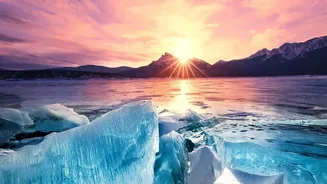
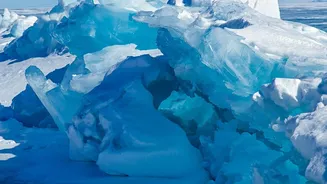
in the Canadian Rockies, Abraham Lake is an artificial lake with a spectacular natural phenomenon. As bacteria on the lakebed decompose organic matter, they release methane gas. In winter, this gas gets trapped as it rises, creating stacks of frozen bubbles suspended in the crystal-clear ice. This otherworldly sight, combined with strong winds that sweep the snow off the surface, makes Abraham Lake a world-class destination for photographers. The bubble season typically starts in late December and is best in January and February, when the ice is thick and clear.
Lake Baikal, Russia
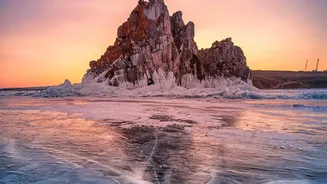
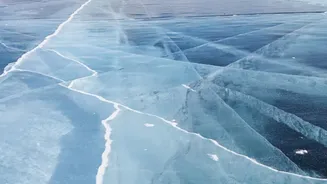
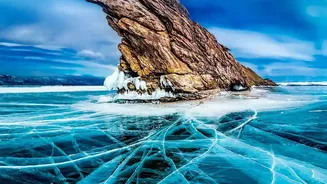
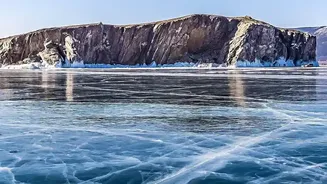
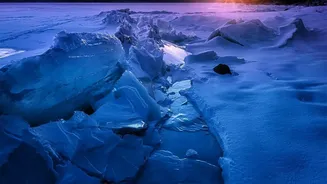
The numbers are staggering: Lake Baikal in Siberia is the world's oldest, deepest, and largest freshwater lake by volume. In winter, it becomes a kingdom of ice. From January to May, the lake freezes to a thickness of up to 1.5 meters, strong enough to support vehicles. The ice is famously transparent, offering views into the dark depths below. This vast, glass-like surface, crisscrossed by ice roads and dotted with caves adorned with icy stalactites, creates an unforgettable landscape for adventurers willing to brave the Siberian cold.
Lake Louise, Canada
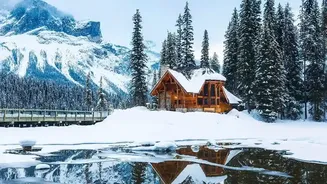
Already famous for its turquoise water in summer, Lake Louise transforms into a quintessential winter wonderland. Surrounded by the snow-covered Victoria Glacier and Rocky Mountains, the lake becomes one of the world's most scenic ice-skating rinks. Maintained daily by the Fairmont Chateau Lake Louise from mid-December to mid-April, the rink is free to the public and even lit for night skating. An intricate ice castle is built on the lake each year, adding to the magical atmosphere.
Pangong Tso, India/China
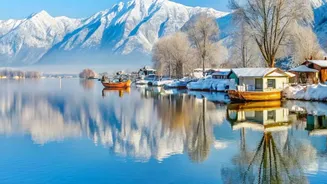
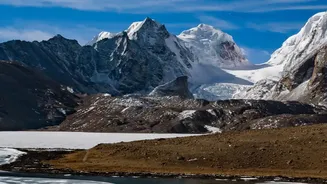
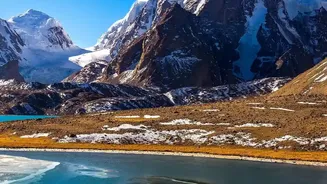
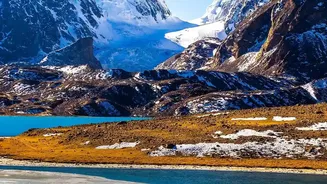
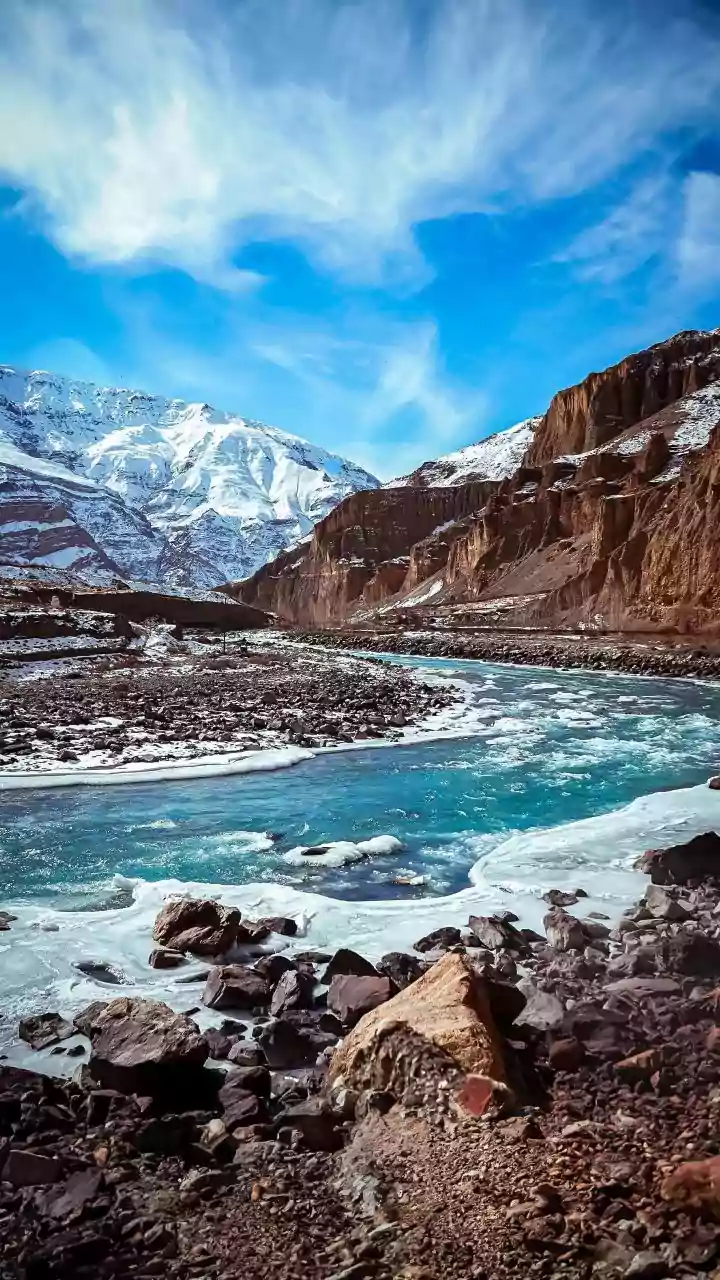
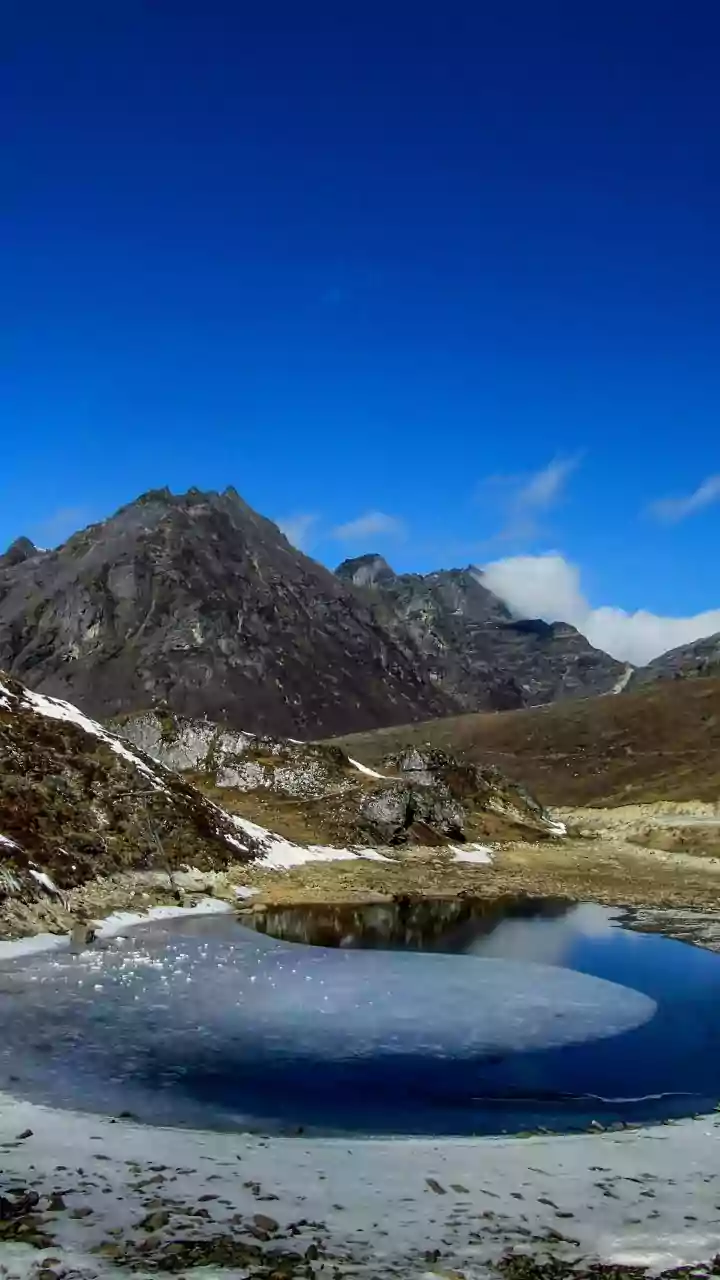
Located high in the Himalayas at an altitude of over 4,200 metres, Pangong Tso is a breathtaking high-altitude saltwater lake. Despite its salinity, the lake freezes completely solid during the harsh winter months of January and February, when temperatures can plummet to -25°C. The result is a vast, glittering sheet of blue-tinged ice reflecting the surrounding snow-capped peaks. The region's stark beauty, made famous by Bollywood films, offers a serene and dramatic landscape for those undertaking the adventurous journey.
Jökulsárlón, Iceland
Jökulsárlón is not a typical frozen lake but a glacial lagoon where icebergs calve from the massive Vatnajökull glacier and float towards the sea. While it rarely freezes completely due to its depth and connection to the ocean, the winter landscape is surreal. Icebergs, some over 1,000 years old, drift silently in the water. Many wash ashore on the nearby black sand beach, known as Diamond Beach, where they glitter like jewels. It is a prime location for spotting seals and hunting for the Northern Lights.
Lake Bled, Slovenia
With its fairy-tale church on an island and a medieval castle perched on a cliff, Lake Bled is picturesque in any season. In winter, the scene becomes even more tranquil and romantic. While the lake only freezes over completely about once a decade due to thermal springs, the edges often turn to ice. A dusting of snow on the Julian Alps and the iconic island creates a postcard-perfect view. Visitors can enjoy the quieter atmosphere, walk the cleared 6-km path around the lake, and enjoy festive markets in December.
Lake Superior, USA/Canada
The largest of the Great Lakes, Lake Superior puts on a dramatic winter show. When conditions are right, typically from late January to early March, the lake's shoreline freezes, granting access to spectacular ice caves. Along the Apostle Islands National Lakeshore in Wisconsin, waves and seeping water freeze into dazzling curtains, columns, and delicate needle-like icicles inside sandstone sea caves. Access is never guaranteed and depends on the ice being thick enough for safe travel, but for those who time it right, it is a magnificent natural gallery of ice sculptures.
Lake Akan, Japan
Located in Hokkaido, Japan, Lake Akan offers a delicate and magical winter phenomenon known as 'frost flowers'. Under very specific conditions—temperatures below -15°C, no snow cover on the ice, and no wind—water vapour crystallizes on the frozen surface, forming intricate, flower-like ice structures. These ephemeral creations are incredibly fragile, often melting as the sun rises. Seeing a field of these glass-like flowers bloom across the ice is a rare and unforgettable sight, best experienced on a guided morning tour.
Green Lake (Grüner See), Austria
Grüner See is a fascinating place with a dual personality. In spring and summer, it's a lake fed by snowmelt, with its water level rising up to 12 metres and submerging surrounding park benches and trails. In winter, the water recedes dramatically, leaving a shallow, 1-2 metre deep lake in a tranquil, snow-covered park. The crystal-clear, emerald water that remains creates a stunning contrast with the frosty landscape, offering a peaceful and unique setting for a winter walk.
Lake Geneva, Switzerland/France
One of Western Europe's largest lakes, Lake Geneva takes on a different kind of charm in winter. While the entire lake doesn't freeze, its shores and marinas can become encrusted with ice, creating dramatic sculptures as waves freeze upon hitting the jetties. On particularly cold spells, parts of the lake near the shore can freeze enough to allow for ice skating, transforming this summer hub into a winter playground against the backdrop of the snow-covered Alps.