

What is Palm Jaggery?
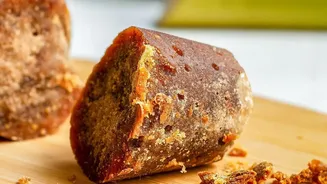
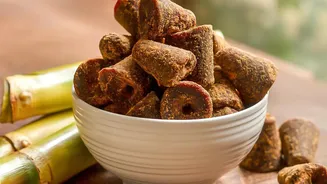
Palm jaggery, known regionally as 'Karupatti' in Tamil Nadu or 'Nolen Gur' in West Bengal, is a traditional, unrefined sweetener. It's made by harvesting the sap from various palm trees, such as the palmyra, date, or coconut palm. The process is beautifully
simple: the collected sap, often called 'neera', is boiled in large vats until it thickens and concentrates. This rich, dark liquid is then poured into molds, traditionally coconut shells, where it solidifies without the use of any chemicals, bleaching agents, or preservatives that are common in the production of white sugar. The final product is a block of dark, crystalline sweetness that carries the smoky, earthy notes of its origin.
The Health Halo: More Than Just Sweetness?
Much of the buzz around palm jaggery centres on its health credentials. Because it's unrefined, it retains more micronutrients than its processed counterpart. It is considered a source of minerals like iron, potassium, and magnesium. Advocates also point to its lower glycemic index (GI). While sources vary, palm jaggery's GI is often cited as being around 35–45, compared to white sugar's GI of about 65. This means it may cause a slower, more gradual increase in blood sugar rather than a sharp spike. However, it's crucial to remember that it is still a form of sugar and should be consumed in moderation, especially by those managing health conditions.
The Modern Baker's Choice
So, why are home bakers, in particular, embracing this ancient ingredient? The answer lies in both flavour and philosophy. The shift towards cleaner, more natural ingredients is a significant factor. For many, palm jaggery represents a return to tradition and a rejection of highly processed foods. But it's the taste that truly seals the deal. Unlike the one-dimensional sweetness of white sugar, palm jaggery offers a deep, complex flavour profile often described as having notes of caramel, molasses, and even a hint of smokiness. This adds a new layer of richness to baked goods, transforming a simple cake or cookie into something far more interesting. It pairs exceptionally well with whole grains like wheat and ragi, and spices like cinnamon and ginger.
A Baker's Guide to Using Palm Jaggery
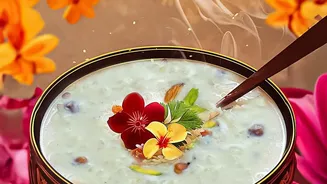
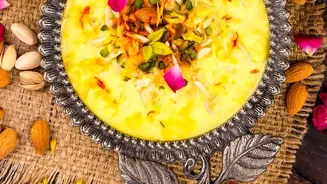
Swapping sugar for palm jaggery isn't always a simple one-to-one substitution. Due to its natural processing, it has a higher moisture content, which can affect the texture of your bakes. For cakes and muffins, it often creates a wonderfully moist and dense crumb. When using it in recipes, it's best to start with powdered or grated palm jaggery to ensure it dissolves evenly. For recipes involving hot milk, like kheer or payasam, a useful tip is to melt the jaggery separately into a syrup and add it after the milk has cooked to prevent curdling. For cookies, it can create a softer, chewier texture. Many bakers find that its robust flavour means they can use slightly less of it compared to white sugar, letting its natural complexity shine through.
Beyond the Oven
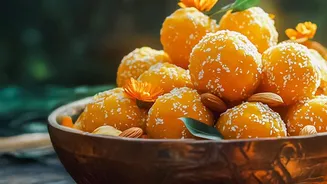
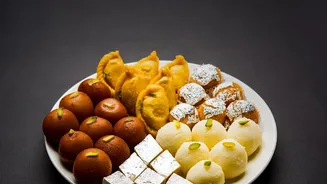
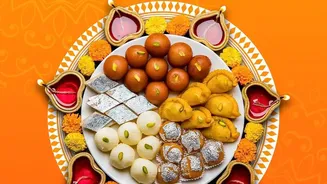
The versatility of palm jaggery extends far beyond the cake tin. In South India, it's the star of countless traditional sweets like Karupatti Halwa and various types of mittai (candies). It can be dissolved in hot water with ginger to create a soothing traditional drink, stirred into your morning coffee or tea for a rustic sweetness, or used to balance flavours in savoury dishes. Whether in a comforting payasam, a batch of wholesome laddoos, or a modern energy bar, palm jaggery proves that sweetness can be both delicious and full of character.