

The Park Bench Powerhouse
The humble park bench is one of the most versatile pieces of equipment available. For a great lower body and cardio challenge, use it for step-ups. Face the bench, step up with one foot, bring the other to meet it, and then step back down. Alternate your
lead foot with each rep. For your upper body, face away from the bench and place your hands on the edge for tricep dips. Extend your legs out and lower your body until your elbows are at a 90-degree angle, then push back up. Benches also offer a great way to modify push-ups. Place your hands on the bench for an incline push-up, which is easier for beginners, or place your feet on the bench for a decline push-up, a more challenging variation that targets the upper chest and shoulders.
Mastering the Monkey Bars
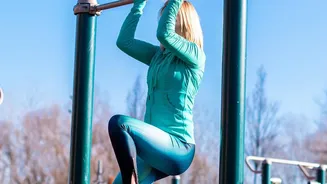
Monkey bars aren't just for kids; they are fantastic for building upper body and core strength. The most fundamental exercise is the dead hang. Simply grabbing the bar and hanging with your arms fully extended can improve grip strength and decompress your spine. To work your abs, progress to hanging knee raises or leg raises. While hanging, slowly lift your knees towards your chest, keeping your core tight. If you're working towards your first pull-up, these bars are perfect. You can start with negative pull-ups, where you jump to get your chin over the bar and then lower yourself down as slowly as possible. Even just swinging from one bar to the next is a dynamic way to engage your shoulders and lats.
Harnessing Open Spaces
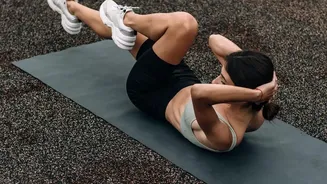
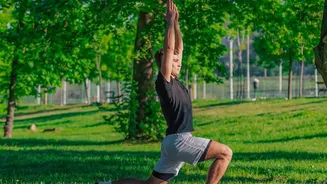
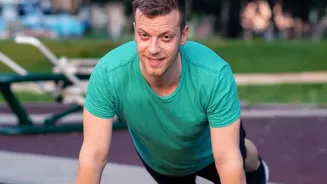
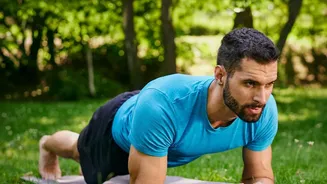
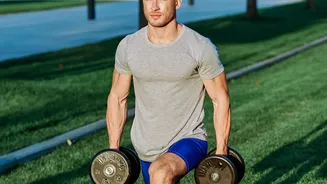
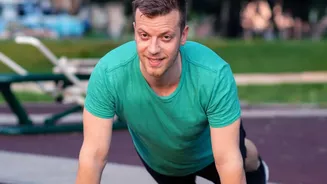
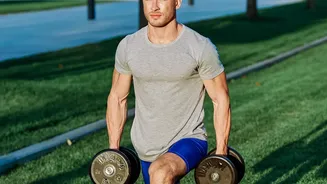
You don't always need equipment to get a fantastic workout. Use the open grassy areas or paved paths in a park for a variety of bodyweight exercises. Classic squats and lunges are foundational for leg strength. For a cardio blast, incorporate jumping jacks, high knees, or burpees between your strength sets. Planks are an excellent exercise for building core stability; try holding one for 30 to 60 seconds. If there's a track, you can mix in sprints or timed runs to boost your cardiovascular endurance. These exercises require no equipment at all and can be done virtually anywhere, rounding out your routine and ensuring you get a full-body workout.
Structuring Your Outdoor Routine
To create a balanced workout, aim to combine exercises that target different muscle groups. A good structure is to perform a circuit: move from one exercise to the next with minimal rest. For example, you could do a set of push-ups on a bench, followed by hanging knee raises, then a set of squats, and finish with a 30-second plank. Rest for 60 seconds, and then repeat the circuit 3-4 times. Always begin your workout with a 5-10 minute dynamic warm-up, such as light jogging, arm circles, and leg swings, to get your muscles ready. Finish with a cool-down involving light walking and static stretching to improve flexibility and aid recovery.
Safety and Playground Etiquette
Before starting any exercise, inspect the equipment. Don't use anything that appears rusty, broken, or wet and slippery. Remember that playgrounds are shared spaces, primarily designed for children. Always be courteous and give children the right of way. It's best to work out during off-peak hours, such as early mornings, to avoid crowds. Wear appropriate athletic shoes with good grip to prevent slips. Most importantly, listen to your body. Don't push yourself into pain. The goal is to build fitness sustainably, not to get injured.