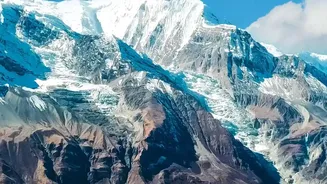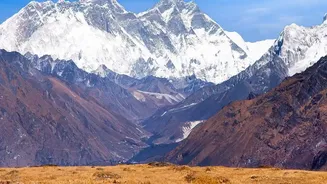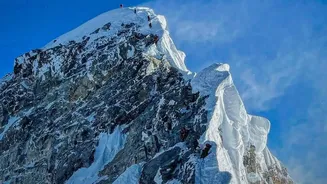



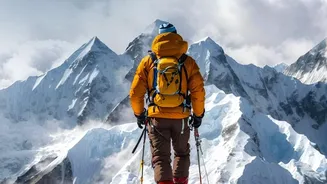
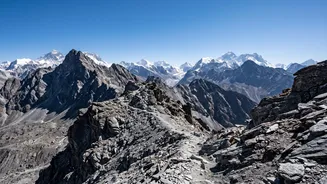
A high-stakes helicopter rescue in Nepal’s Manaslu region this week saved 12 trekkers and their guides. The harrowing incident, however, raises urgent questions about why clear and advance weather warnings were seemingly ignored.
Rescue Amid a Sudden Blizzard
Emergency rescue teams
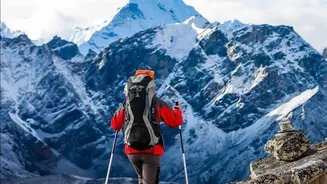
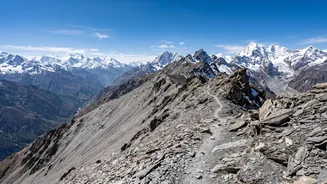
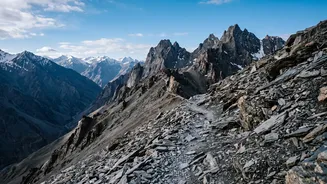
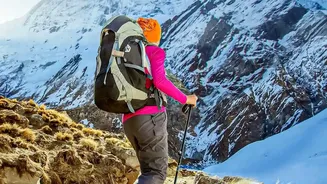
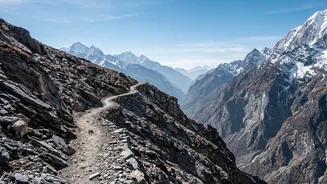
were dispatched early on Wednesday following a distress call from a trekking group stranded near the Larkya La Pass, a challenging section of the Manaslu Circuit sitting at over 5,100 metres. The party, consisting of eight international tourists and four Nepali guides and porters, was caught in a sudden and ferocious blizzard that dumped more than three feet of snow in a matter of hours, making the high-altitude pass impassable and creating a severe risk of avalanches and hypothermia. Helicopter pilots from a private air service described the rescue as 'extremely challenging' due to high winds and near-zero visibility. All 12 individuals were eventually airlifted to safety, with three of the trekkers treated for frostbite and exhaustion upon their arrival in Kathmandu. While the successful rescue is a relief, the focus has swiftly shifted to the decisions that led the group into such a perilous situation.
The Warnings Were Clear
Officials from Nepal’s Department of Hydrology and Meteorology confirmed that multiple weather bulletins were issued at least 48 hours before the blizzard struck. The forecasts specifically warned of heavy snowfall and high winds at altitudes above 4,000 metres in the Manaslu and Annapurna regions, urging trekking groups to halt their ascent and wait for a clearer weather window. These warnings are disseminated to trekking agencies, guide associations, and are often posted at checkpoints along major trekking routes. The critical question now being investigated by the Nepal Tourism Board is how and why this specific group proceeded with their attempt to cross the pass. This incident is not an isolated one; similar tragedies have occurred in the past, most notably the 2014 blizzard in the Annapurna region that claimed over 40 lives, which also followed clear meteorological warnings.
Economic Pressures vs. Safety
Veteran guides and industry insiders point to a complex mix of factors that often lead to such risky decision-making. For trekkers, a trip to the Himalayas represents a significant financial and time investment. Many operate on tight schedules and may exert pressure on their guides to push forward to complete the itinerary, sometimes underestimating the gravity of weather warnings. On the other side, guides and porters are often under immense economic pressure. Their income is tied to the successful completion of treks, and delaying a trip by several days can impact their earnings and future bookings. While reputable agencies prioritize safety above all, some smaller operators may feel compelled to take risks to satisfy clients. A spokesperson for the Trekking Agencies' Association of Nepal (TAAN) acknowledged this systemic issue, stating that they are working to reinforce 'zero-tolerance' policies for ignoring official safety mandates.
A System Under Scrutiny
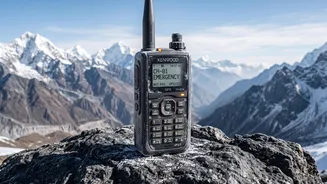
The recurring nature of these incidents has placed the entire regulatory framework for Nepal’s trekking industry under scrutiny. Critics argue that while regulations exist on paper—such as the requirement for every trekking group to have a licensed guide and a permit—enforcement on the ground remains a major challenge. There are calls for more robust communication systems to ensure warnings reach remote areas effectively, as well as stricter penalties for agencies and guides found to have negligently endangered their clients. Some propose mandatory 'acclimatisation and weather-hold' days built into official itineraries to give groups the flexibility to wait out bad weather without financial pressure. The Nepal Tourism Board has announced a full review of the Manaslu incident, promising to hold accountable any party found to have violated safety protocols.